The Orkes Blog
Insights, tutorials, and updates on workflow orchestration, durable execution, and AI agents from the Orkes team.
Introducing Multi-Cloud and Multi-Region Resilience in Orkes Conductor
Orkes Conductor now replicates execution state to a second cluster in another region or cloud and fails over automatically, backed by a 99.99% availability SLA.

Introducing Multi-Cloud and Multi-Region Resilience in Orkes Conductor
Orkes Conductor now replicates execution state to a second cluster in another region or cloud and fails over automatically, backed by a 99.99% availability SLA.
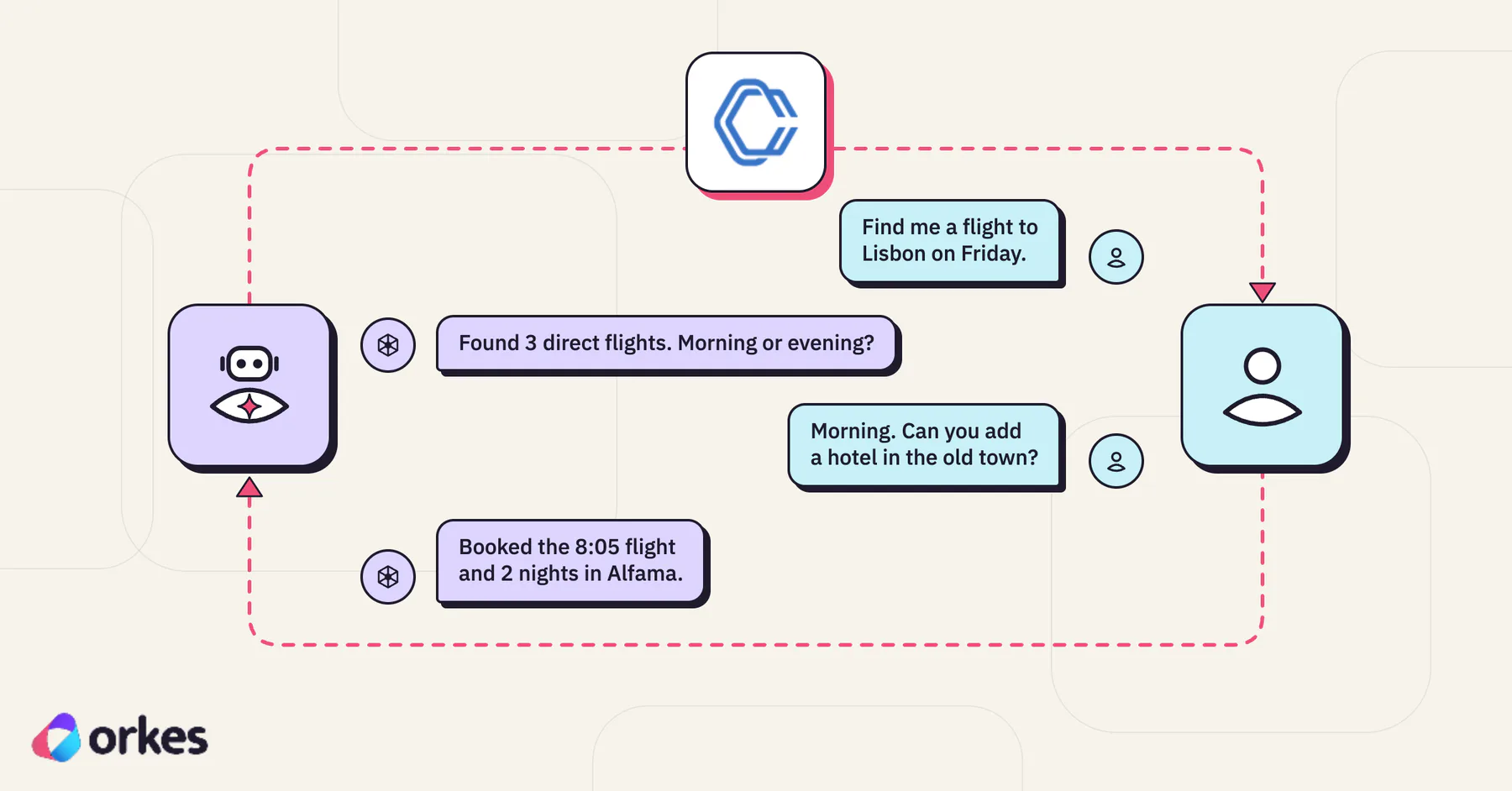
How to Build Your Own AI Chatbot with Orkes Conductor
A step-by-step guide to building a chatbot as a Conductor workflow, from handling incoming messages to managing conversation state and calling an LLM.

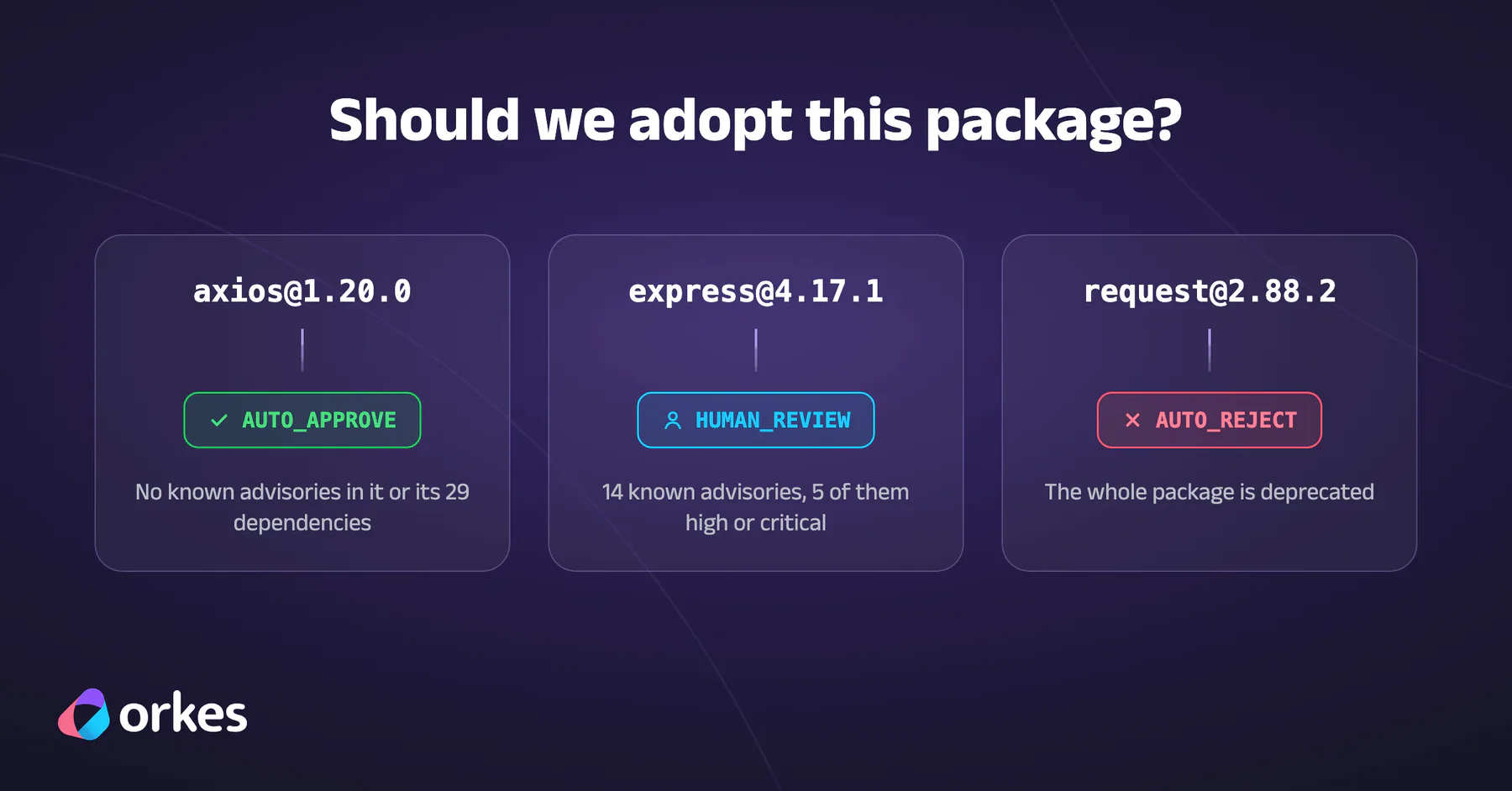
Building a Better npm Dependency Auditor with Conductor
Audit any npm package before you install it, using parallel API calls in a single Conductor workflow.

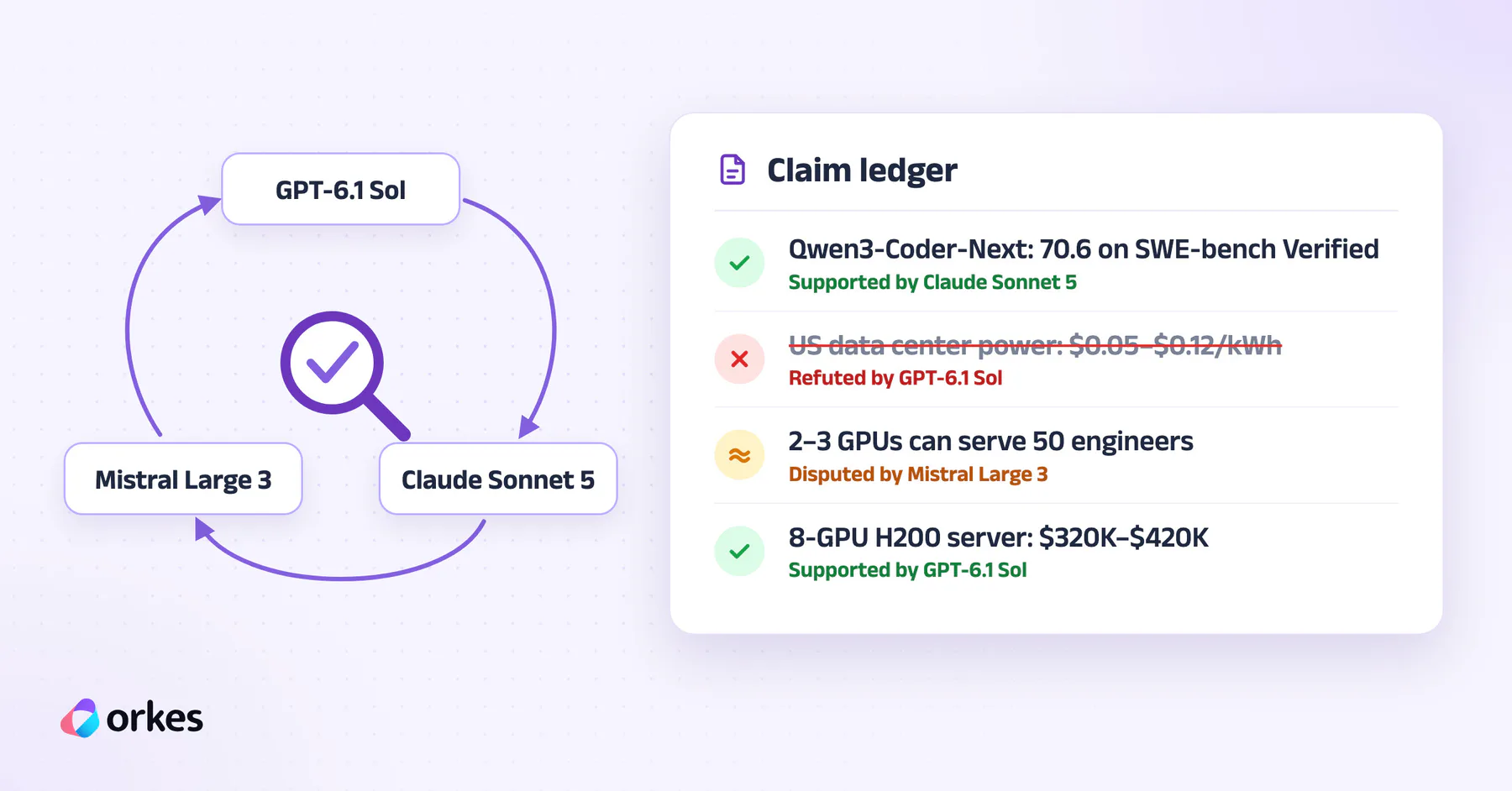
How to Build a Deep Research Agent in Conductor
One model with web search writes a confident first draft. Here's how we built a deep research agent in Conductor where GPT, Claude and Mistral models research in parallel and check each other's work.

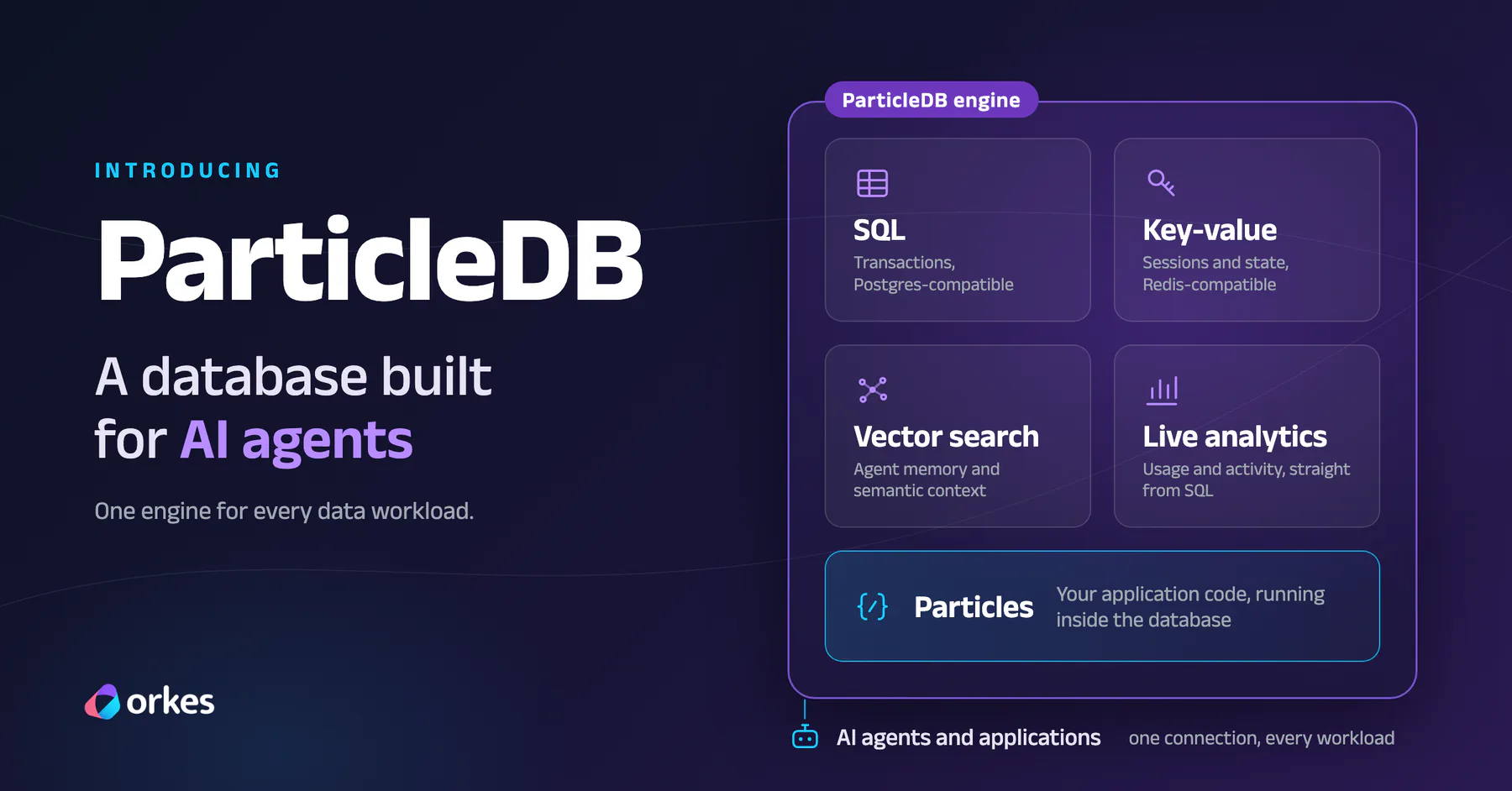
ParticleDB: A Database Built for AI Agents
ParticleDB combines transactional SQL, a key-value store, vector search, live analytics, and user-defined code (Particles) in a single Rust engine built for AI agents and applications.
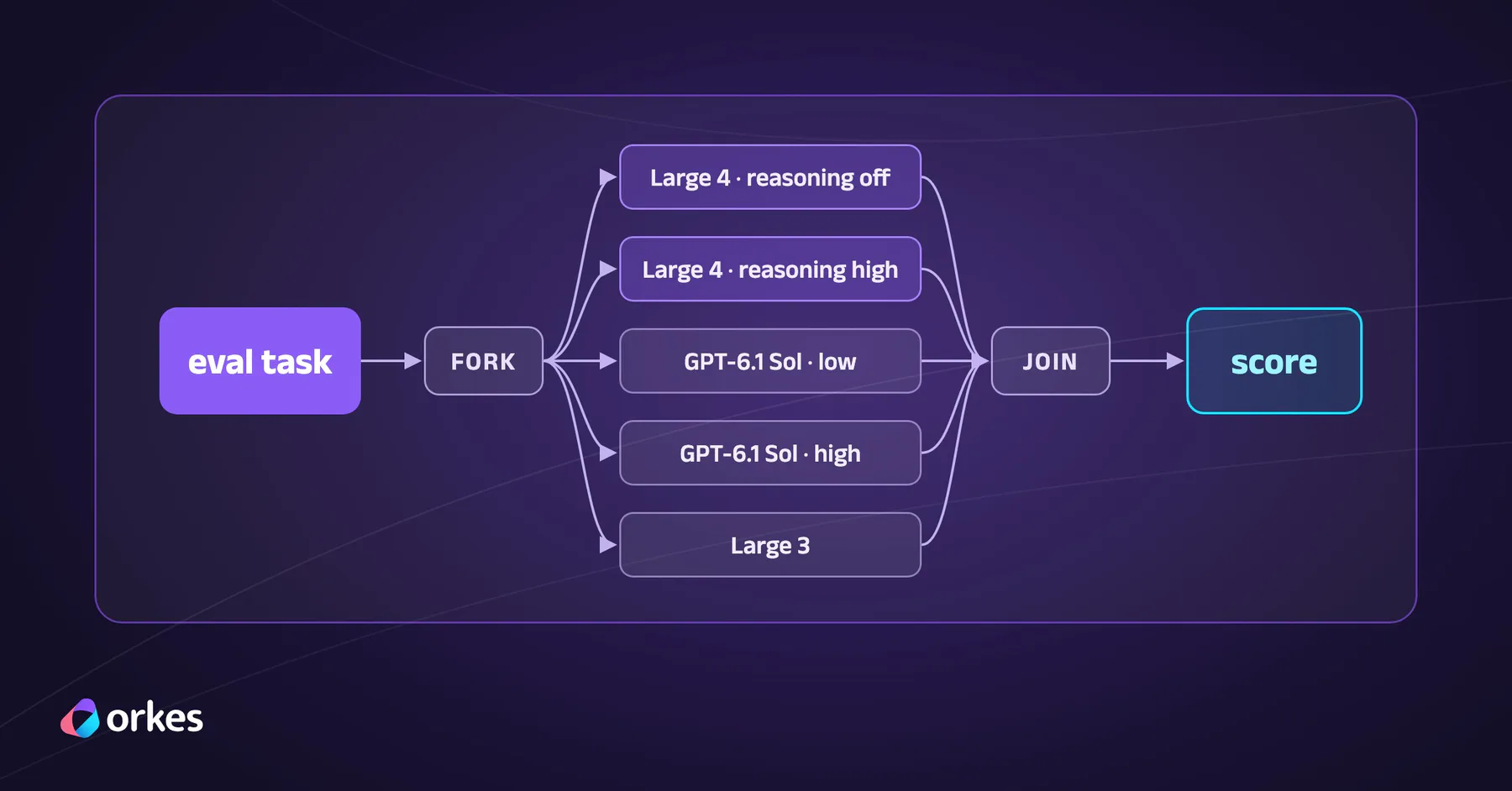
How to Benchmark a New LLM on Your Own Tasks: Mistral Large 4 vs GPT-6.1 Sol on Conductor
A reproducible eval harness built from Conductor workflows, results for Mistral Large 4 against GPT-6.1 Sol and Mistral Large 3 on 1,140 scored calls, and what it takes to run Large 4 inside Conductor today.
Orkes Appoints Deltadata Mandiri as Partner for Southeast Asia
Deltadata will lead pre-sales, implementation and support for Orkes Conductor as banks, energy companies and government agencies across Southeast Asia move agentic workflows and AI agents from pilot to production.

We Asked Jepsen to Break Orkes Conductor
An independent Jepsen analysis of Orkes Conductor: what broke under crashes and partitions, what we fixed in v5.5.0 and v5.5.6, and what is still open.

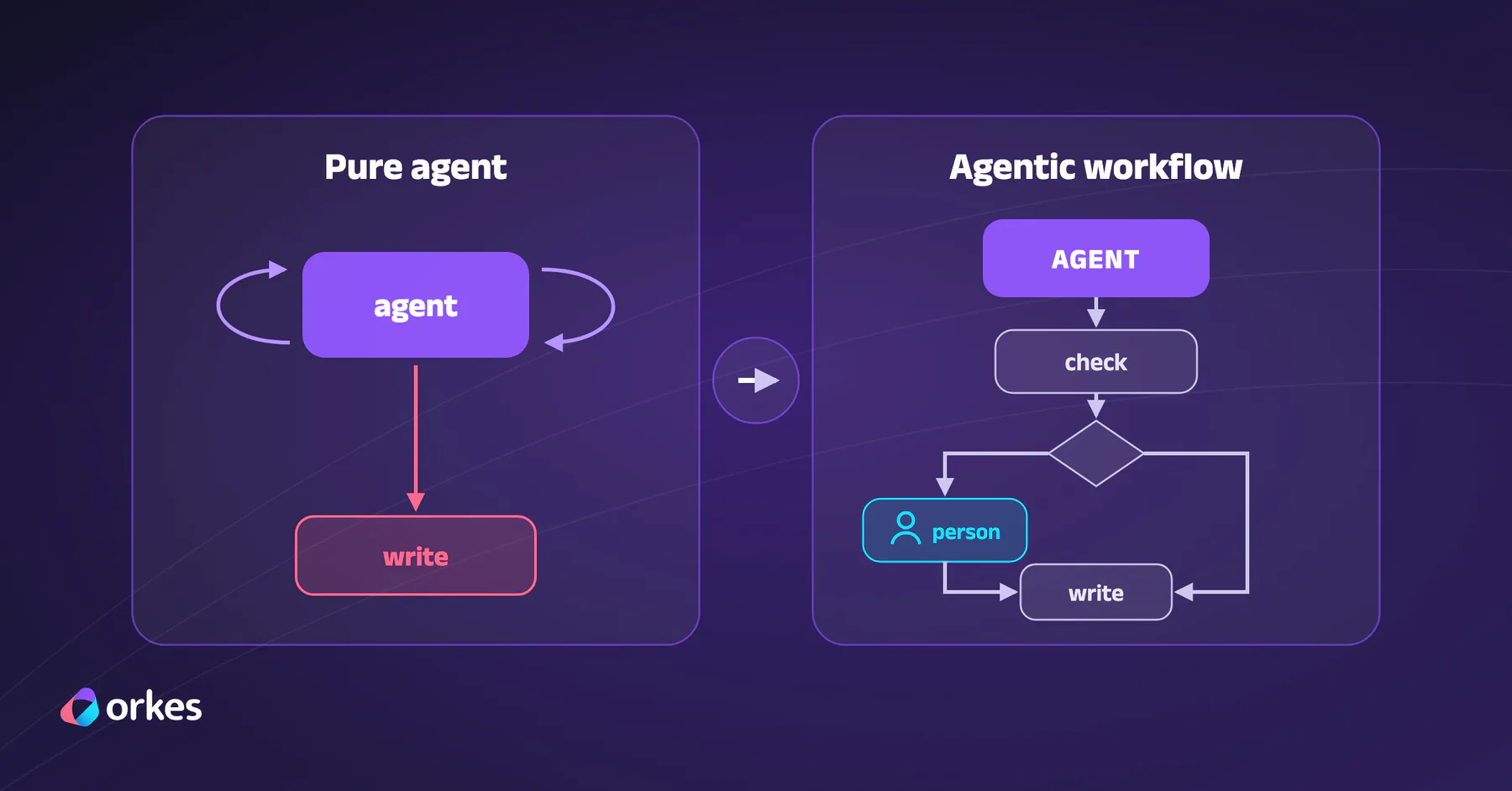
Why Agentic Workflows Beat Pure Agents in Production
Conductor added the AGENT task so an agent can be one step of a workflow. Here is why that beats a pure agent, with lessons from Bumble and LinkedIn at Shift '26.
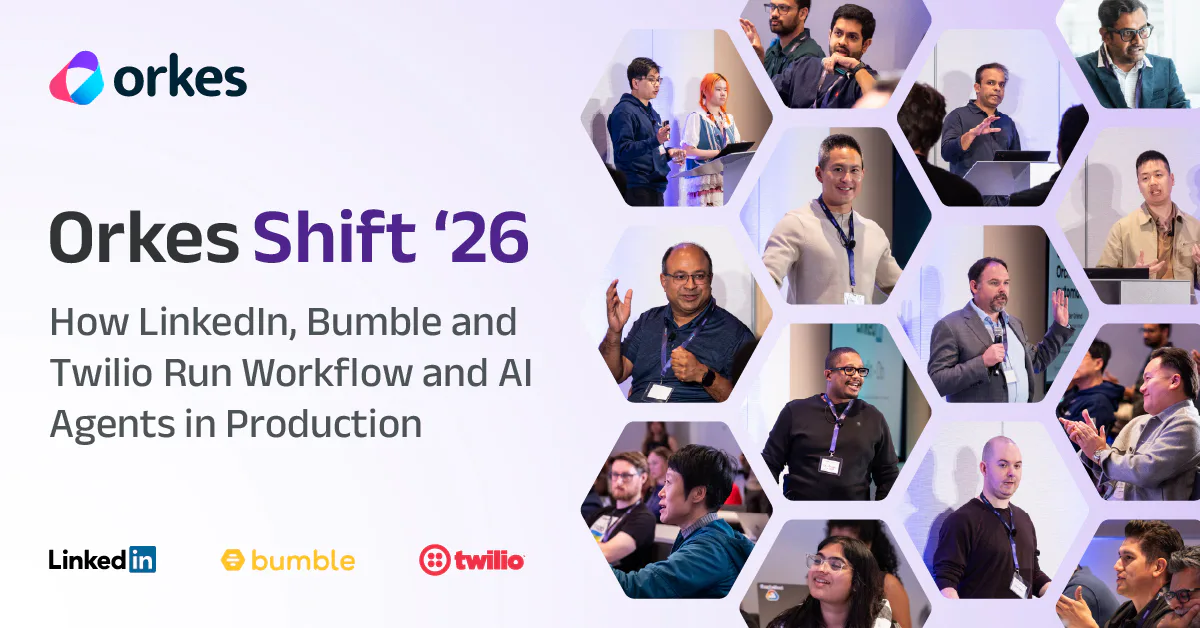
Orkes Shift ‘26: How LinkedIn, Bumble and Twilio Run Workflows and AI Agents in Production
Engineers from LinkedIn, Bumble, Twilio and Orkes on running AI agents reliably inside real business processes.
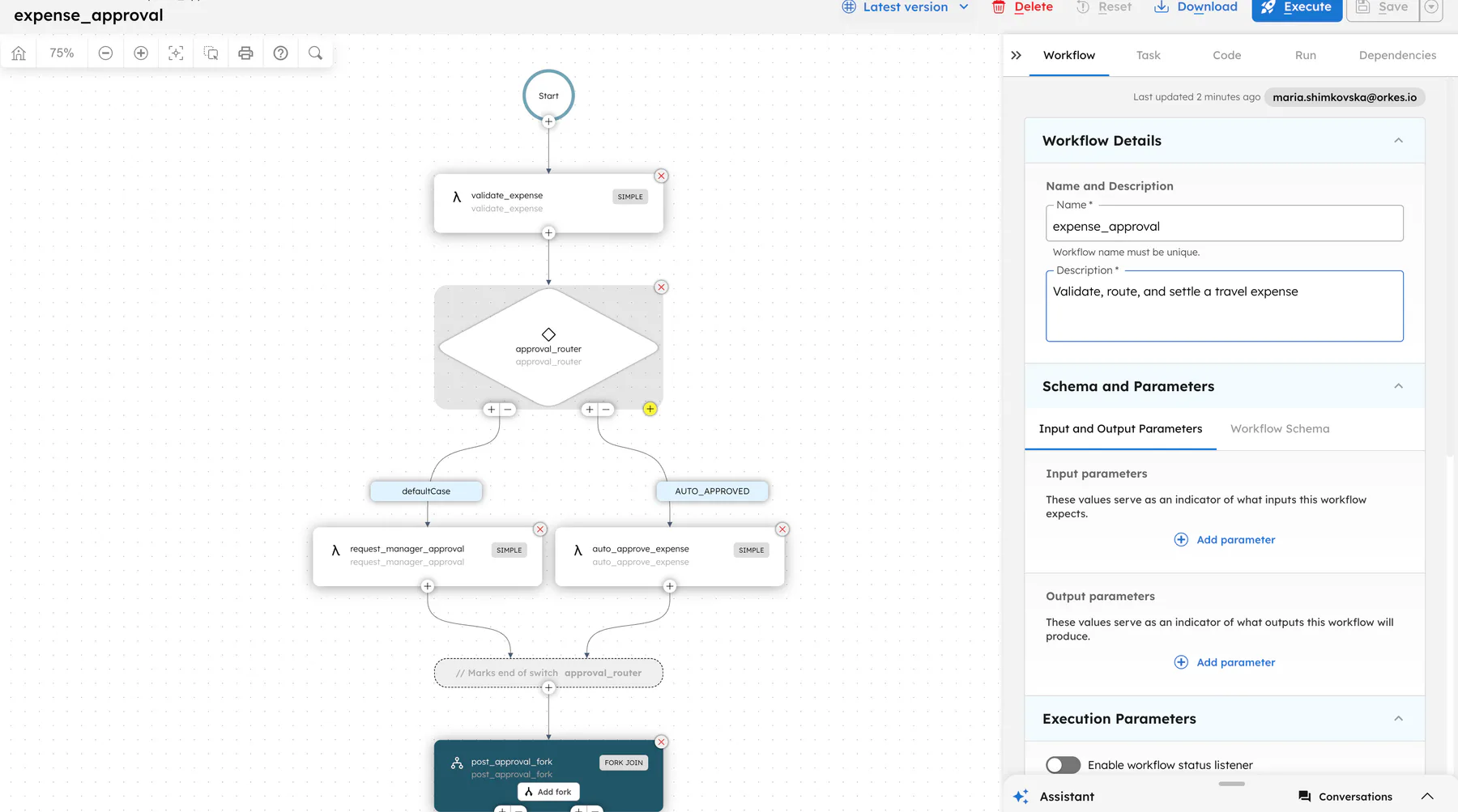
How Agents and Workflows Call Each Other in Conductor
Agents reason, workflows execute. Here's exactly how to wire a workflow behind an agent's tool calls, and an agent into a workflow's own tasks, with worked examples of both.
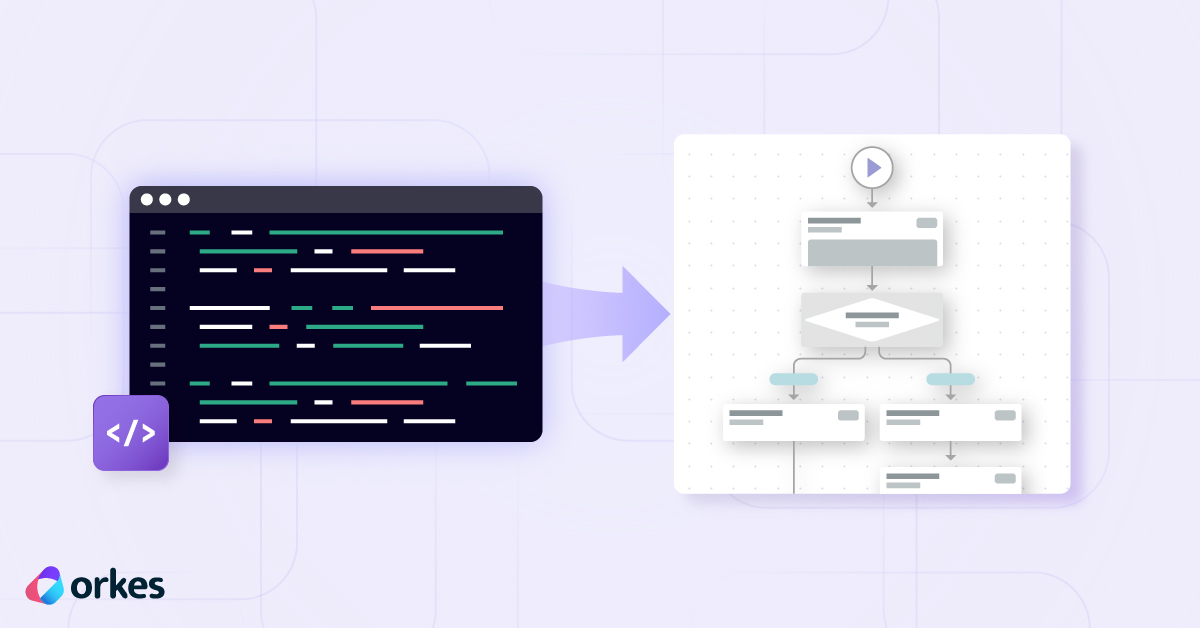
Everything you need to build workflows as code in Conductor
Your Guide to Building, Running, and Observing Conductor Workflows as Code
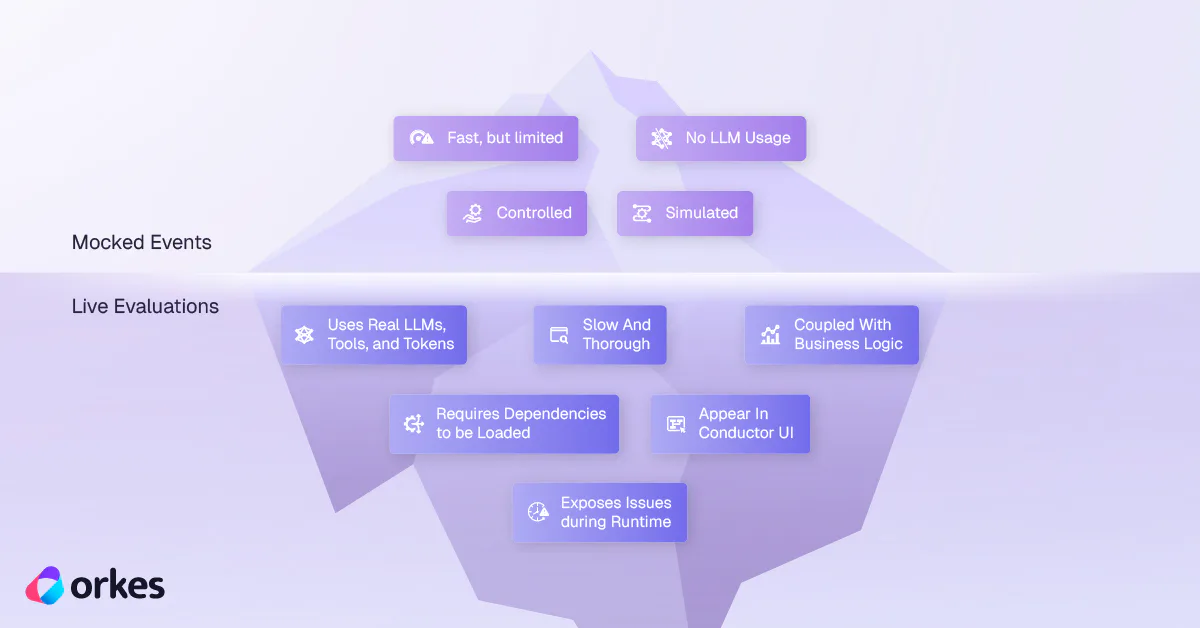
Testing With Live Agent Runtimes in Conductor
Mocks catch what you scripted. Live evals catch what you didn't.
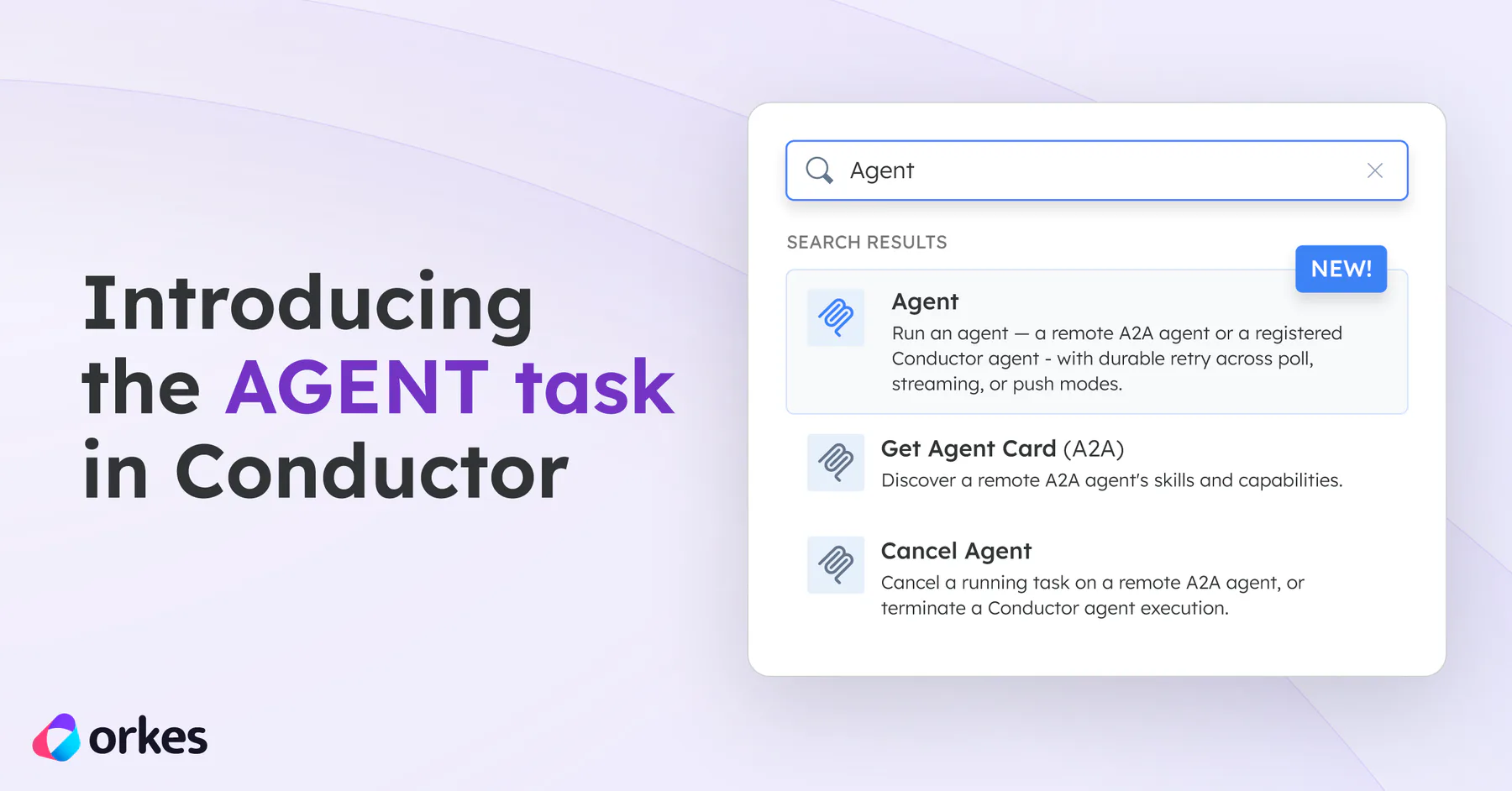
Introducing the AGENT task: Calling AI Agents from Your Conductor Workflows
Learn how the AGENT task lets you call AI agents from Conductor workflows with built-in retries, durability, and support for multi-turn conversations.
Conductor Now Runs Agents Alongside Your Workflows, on the Same Durable Engine
Agents and workflows now run on the same durable engine so agents inherit everything that's made Conductor workflows reliable in production for years.
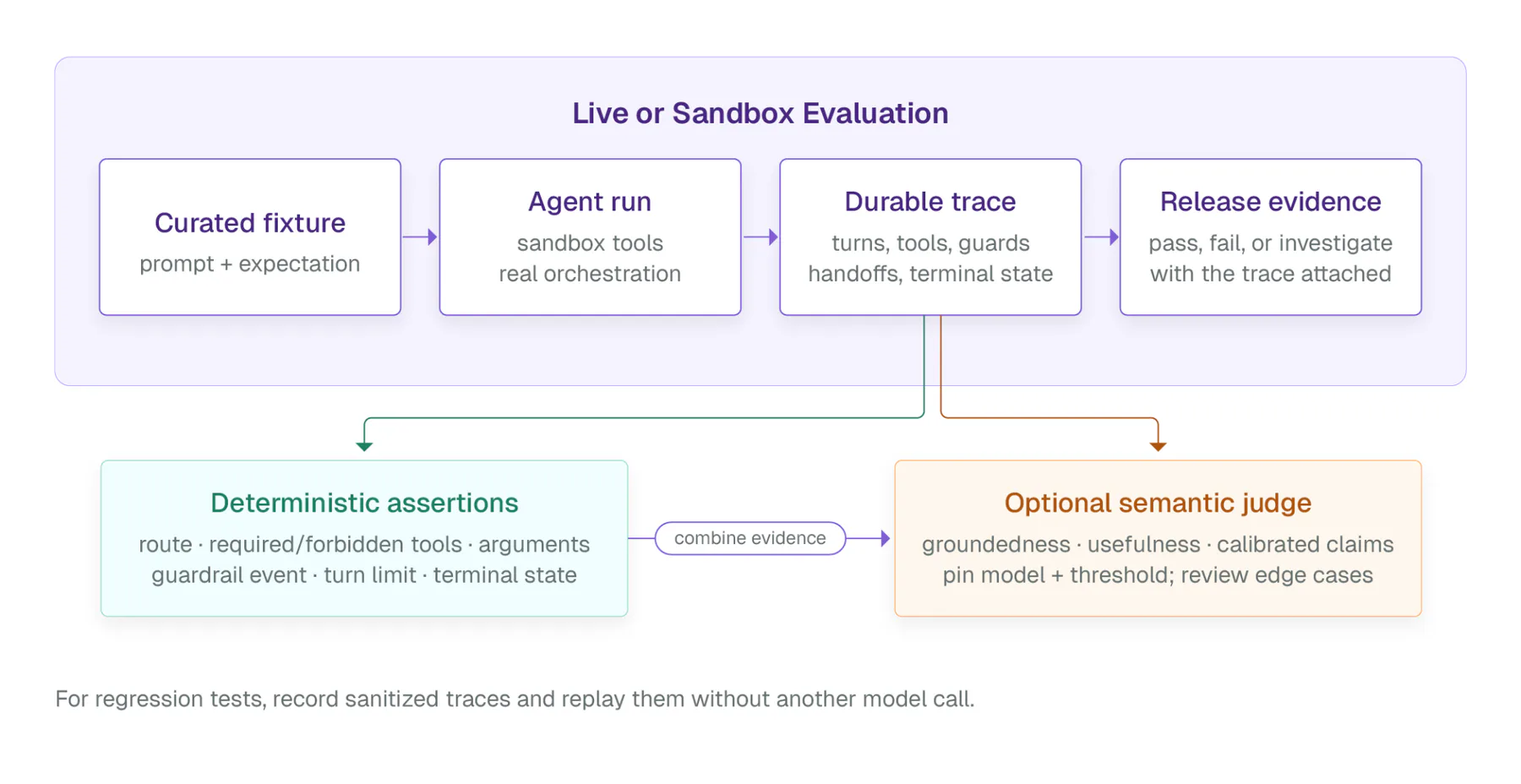
Testing Workflow Routing and Agent Behavior in Conductor
Debugging agent output sucks. Testing agent logic rocks.
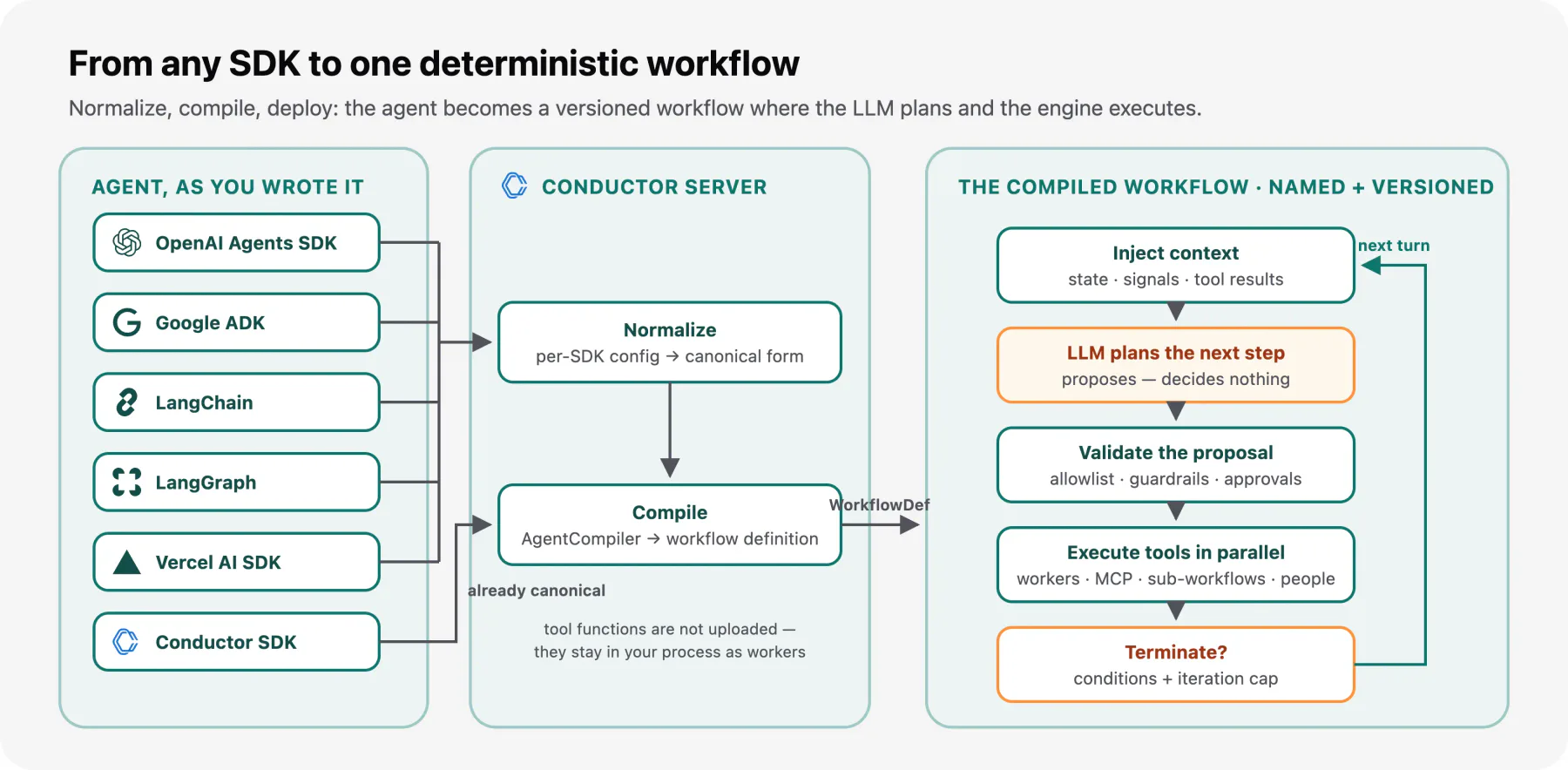
Agents on Conductor — Architecture for Production AI
Separating Brain from Execution.

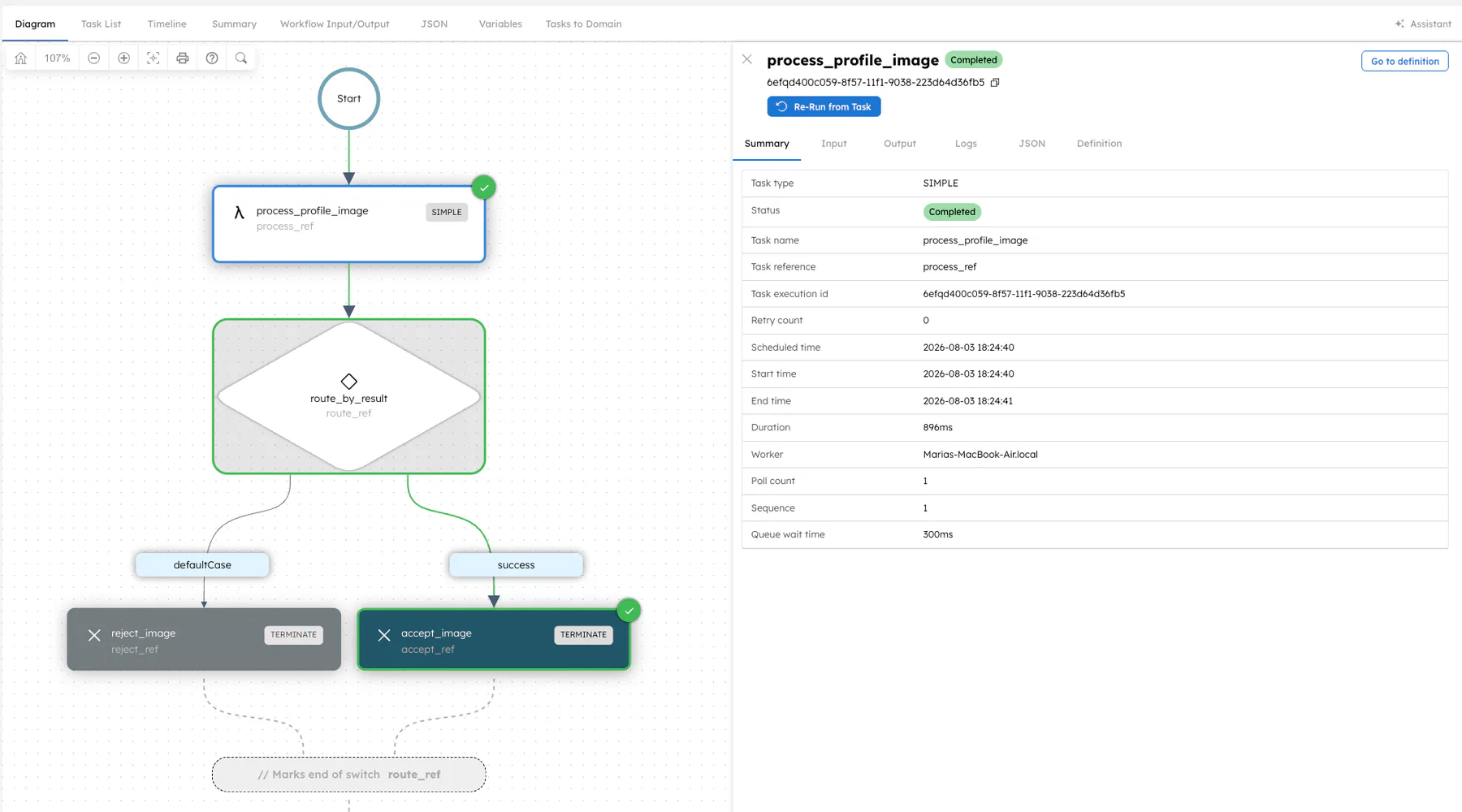
Turn Any Function Into a Workflow Step: Build Your First Orkes Conductor Worker
A step-by-step tutorial for building an Orkes Conductor worker: register a task definition, write the worker, and wire it into a complete workflow with branching.
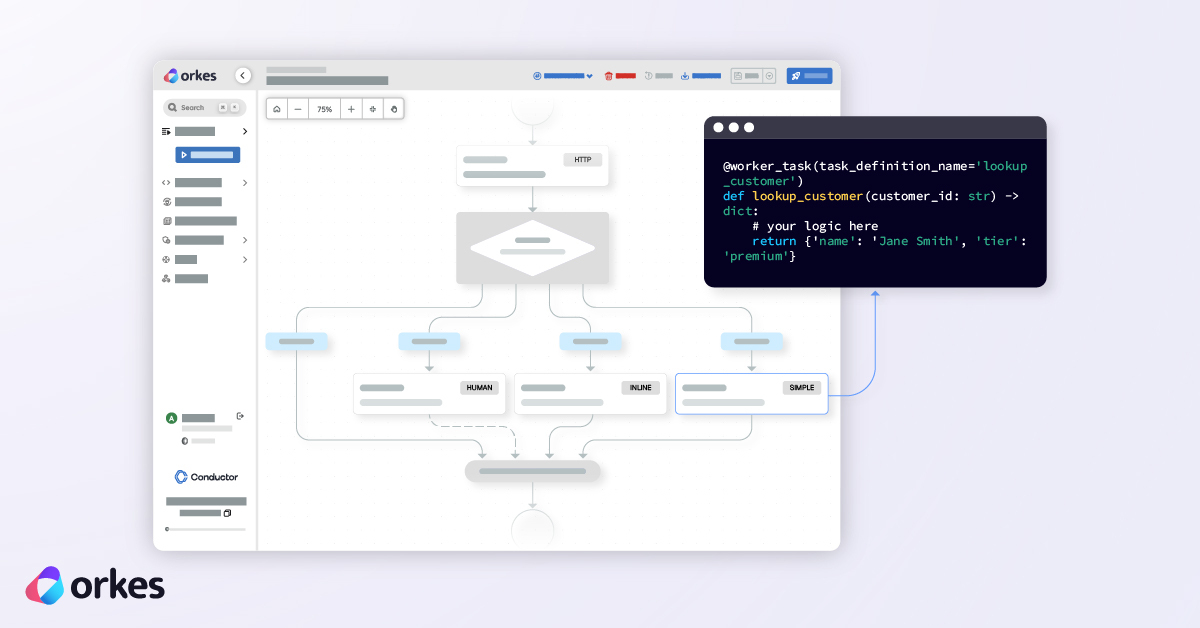
What Are Workers in Orkes Conductor? How Your Own Code Fits Into a Workflow
What is a worker in Orkes Conductor? Learn how workers let you run your own code as a step in a workflow, how polling works, and when to write one.
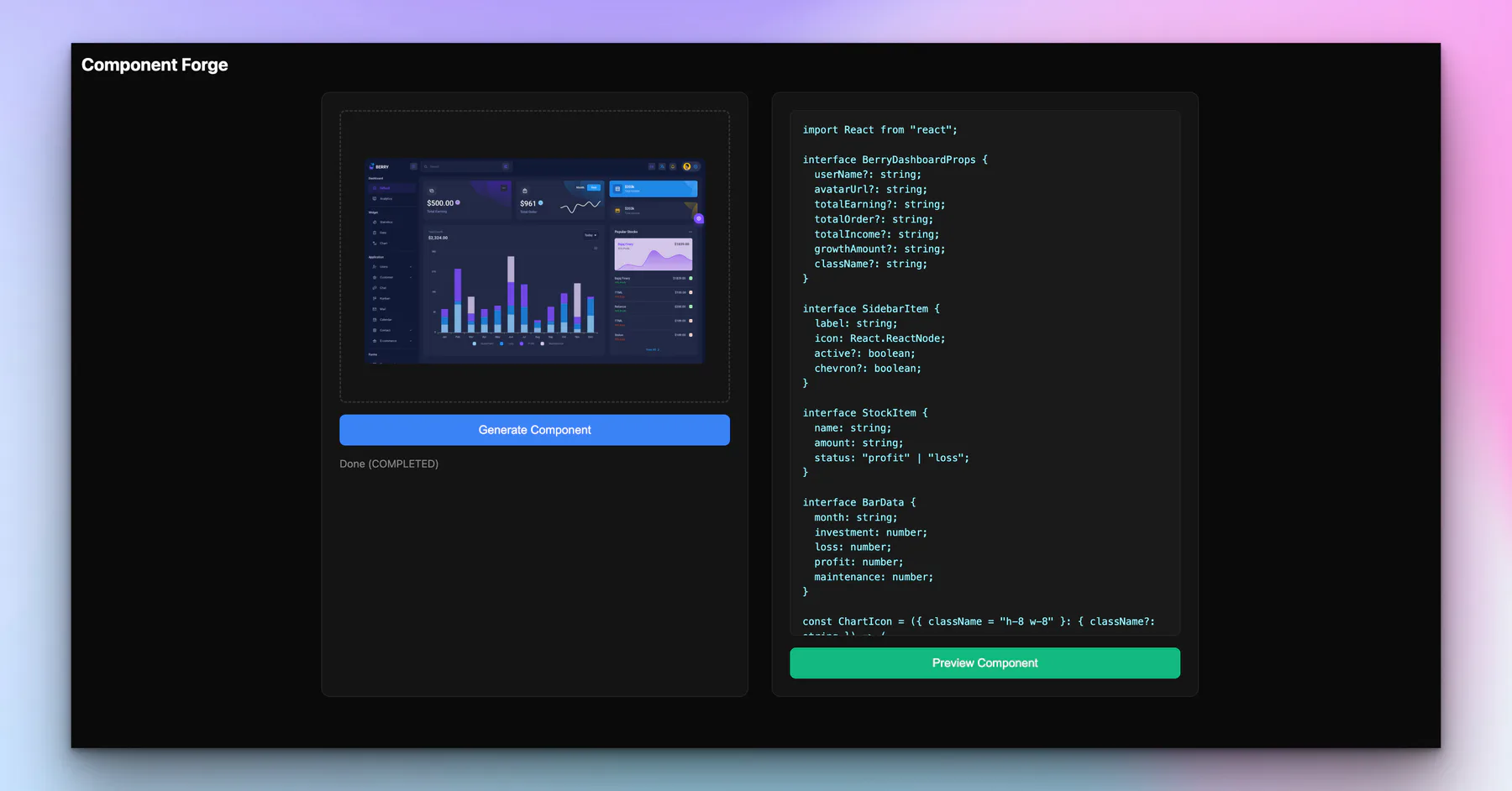
How to Build a UI Screenshot-to-Code AI Agent
Build an AI agent that turns UI screenshots into working React + TypeScript components. Drop in a design, get back clean, Tailwind-styled code in seconds.
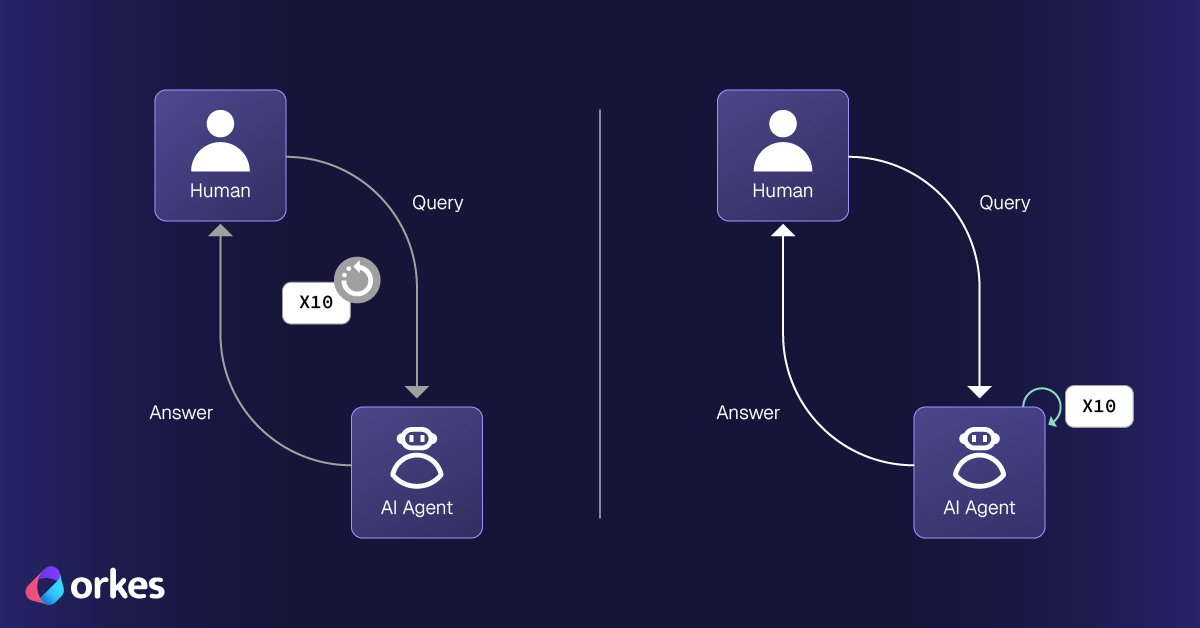
What Is Loop Engineering?
Loop engineering is building a loop around your agent so the agent can reprompt itself without you needing to do it. but you still need to keep yourself in the picture.
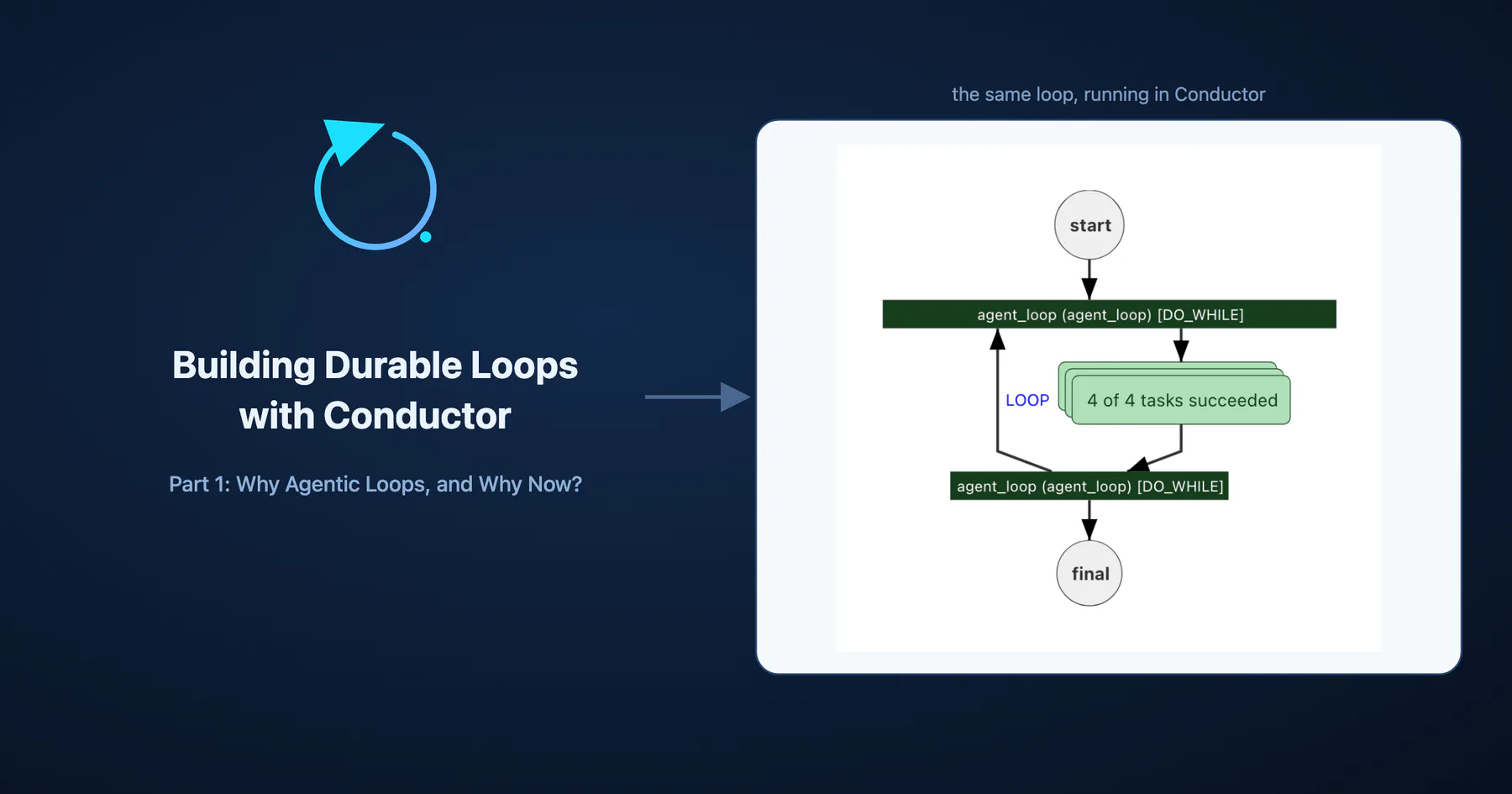
Building Durable Loops with Conductor, Part 1: Why Agentic Loops, and Why Now?
Part one of a series on durable loops. Why agentic systems are loops, why naive loops fail as tasks get longer, and what makes a loop durable, grounded in a working Conductor OSS example.
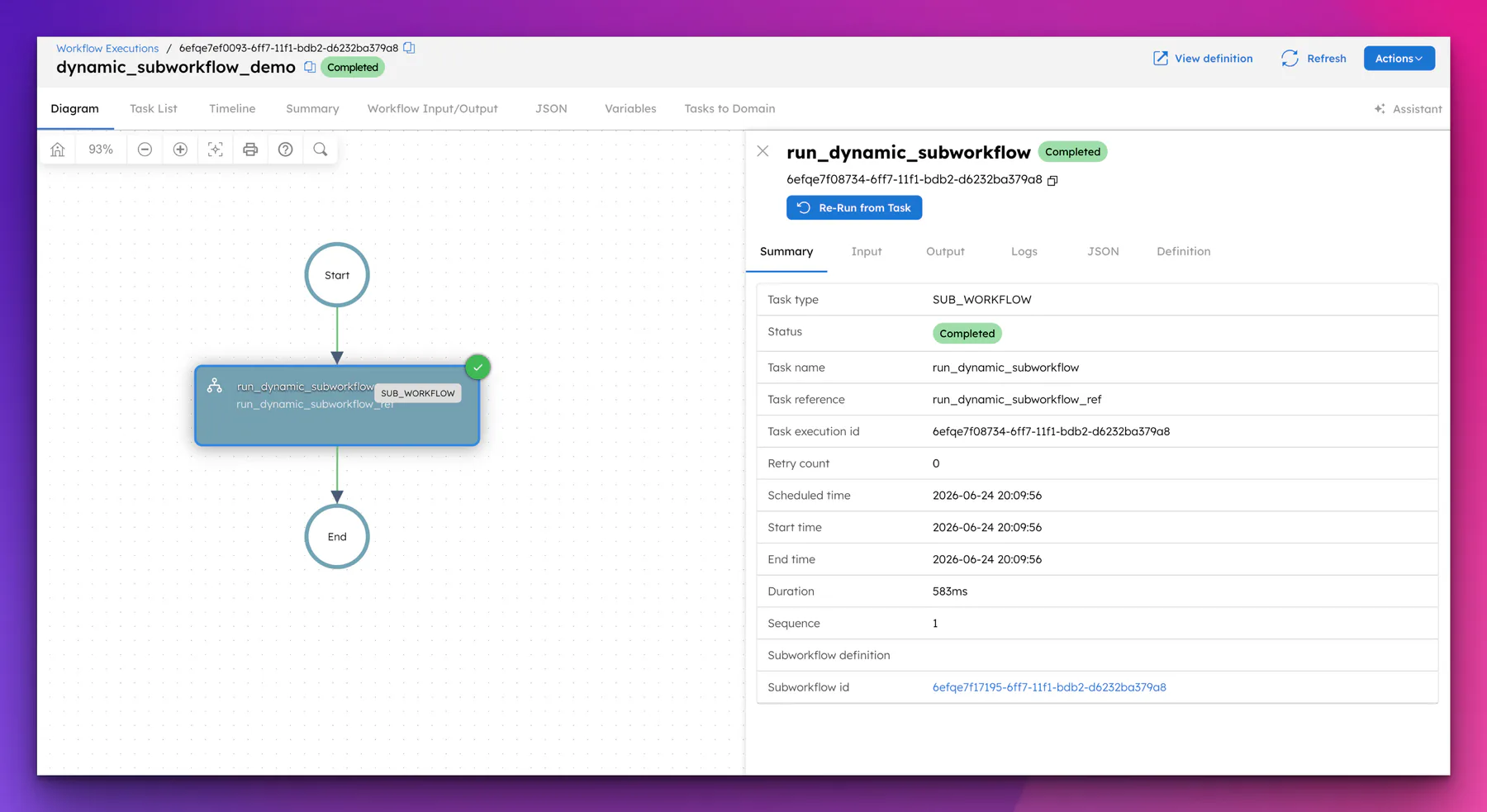
How to Reuse Workflows Inside Other Workflows in Orkes Conductor
Every time you copy workflow logic into a new workflow, you create a maintenance problem. Here's how the Sub Workflow task solves it.
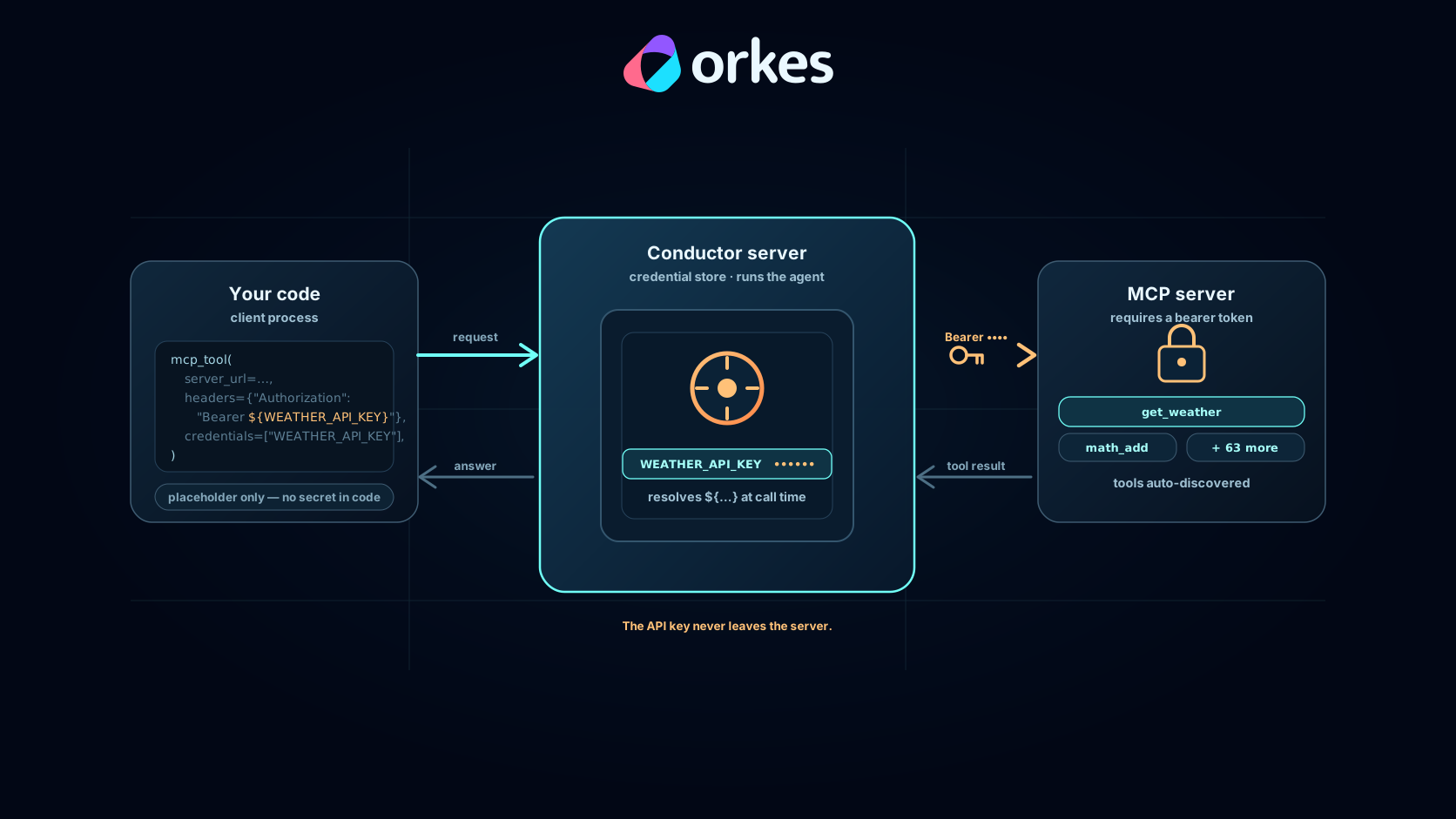
How to Connect an MCP Server to Your AI Agent (Without Leaking API Keys)
Wiring an MCP server into an agent usually means scattering API keys across every process that runs it. How to connect MCP tools with Conductor and keep the credentials on the server.
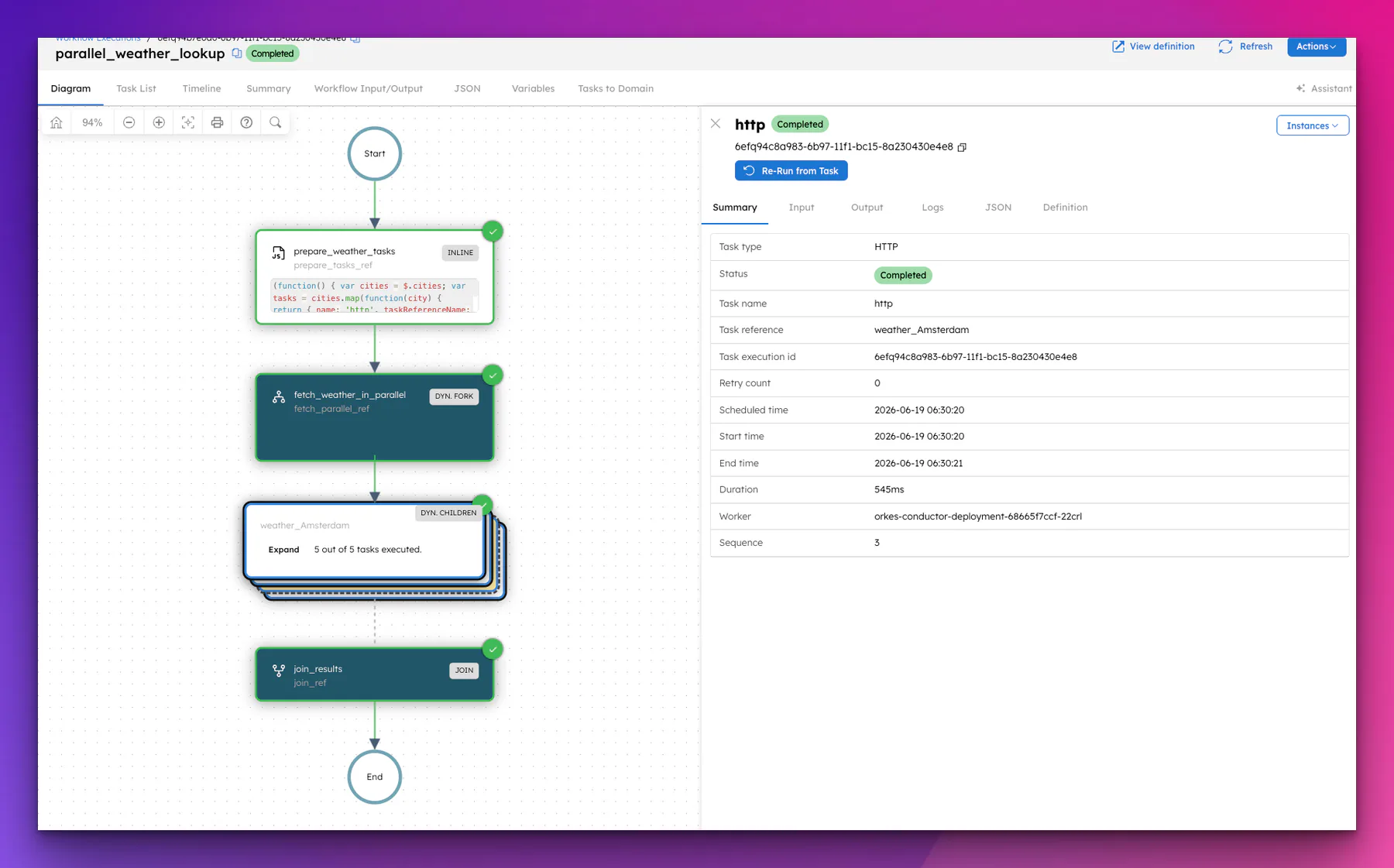
How to Process a List of Items in Parallel in Orkes Conductor
You have a workflow that needs to process a list of items and doing them one by one is too slow. Here's how the DYNAMIC_FORK task solves it.
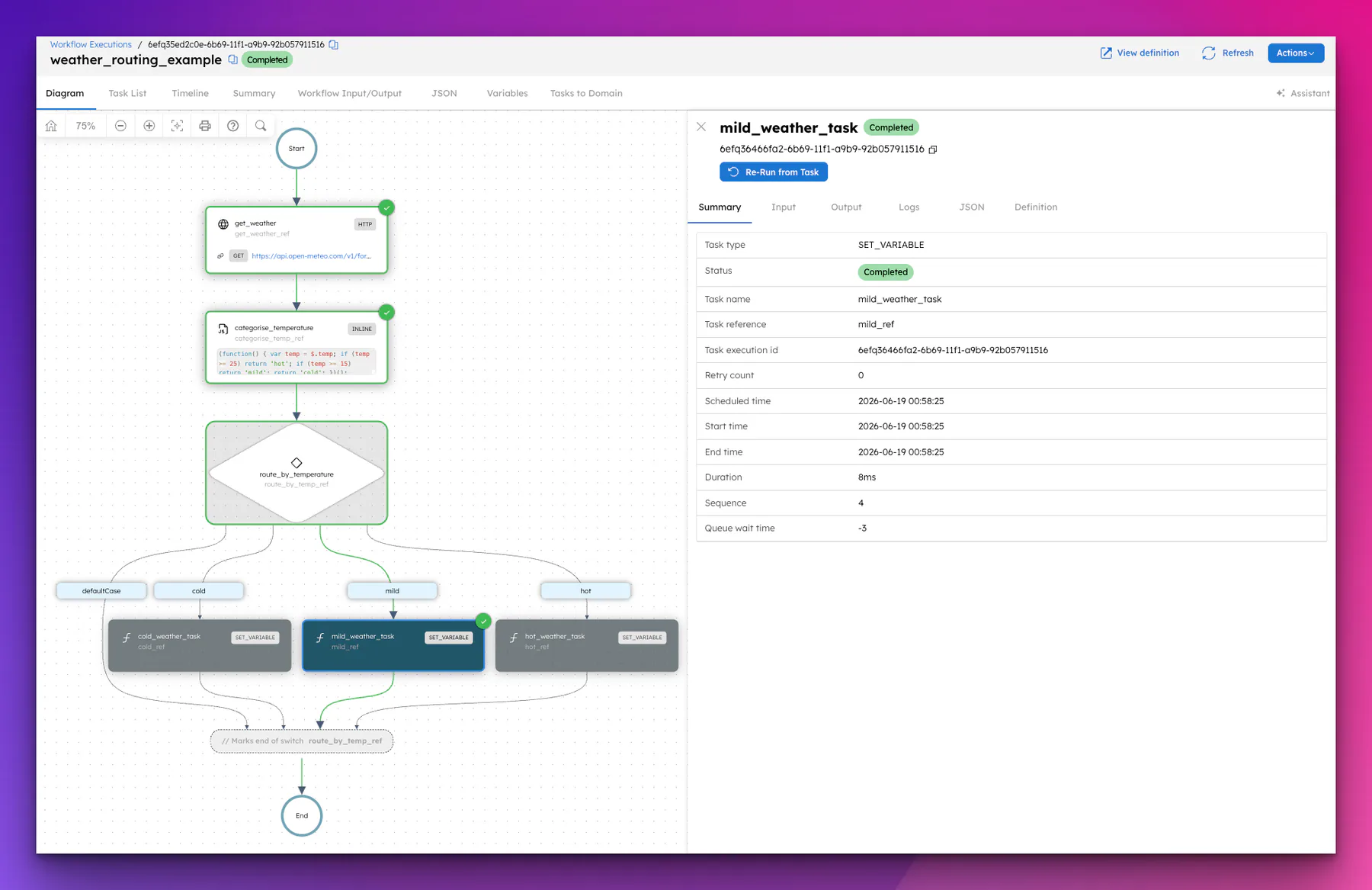
How to Add Conditional Branching to Your Workflows in Orkes Conductor
You have a workflow that needs to take a different path based on a score, a status, or a region. The last thing you want to do is build that routing logic into your application code. Here's how the SWITCH task solves it.
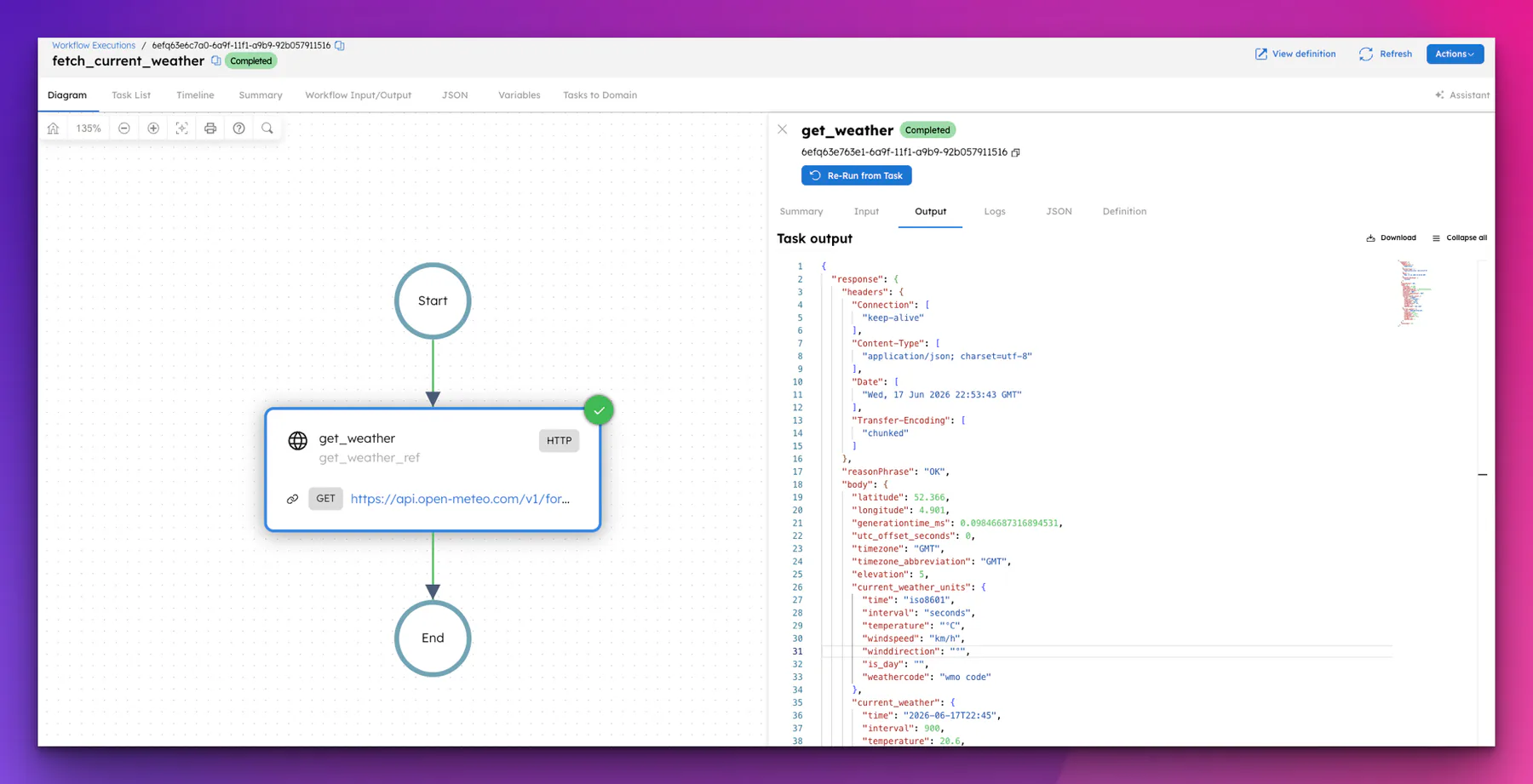
How to Call Any External API From a Workflow in Orkes Conductor
Most workflows need to talk to the outside world at some point. Here's how Conductor's built-in HTTP task handles API calls, webhooks, and external service triggers without any custom code.
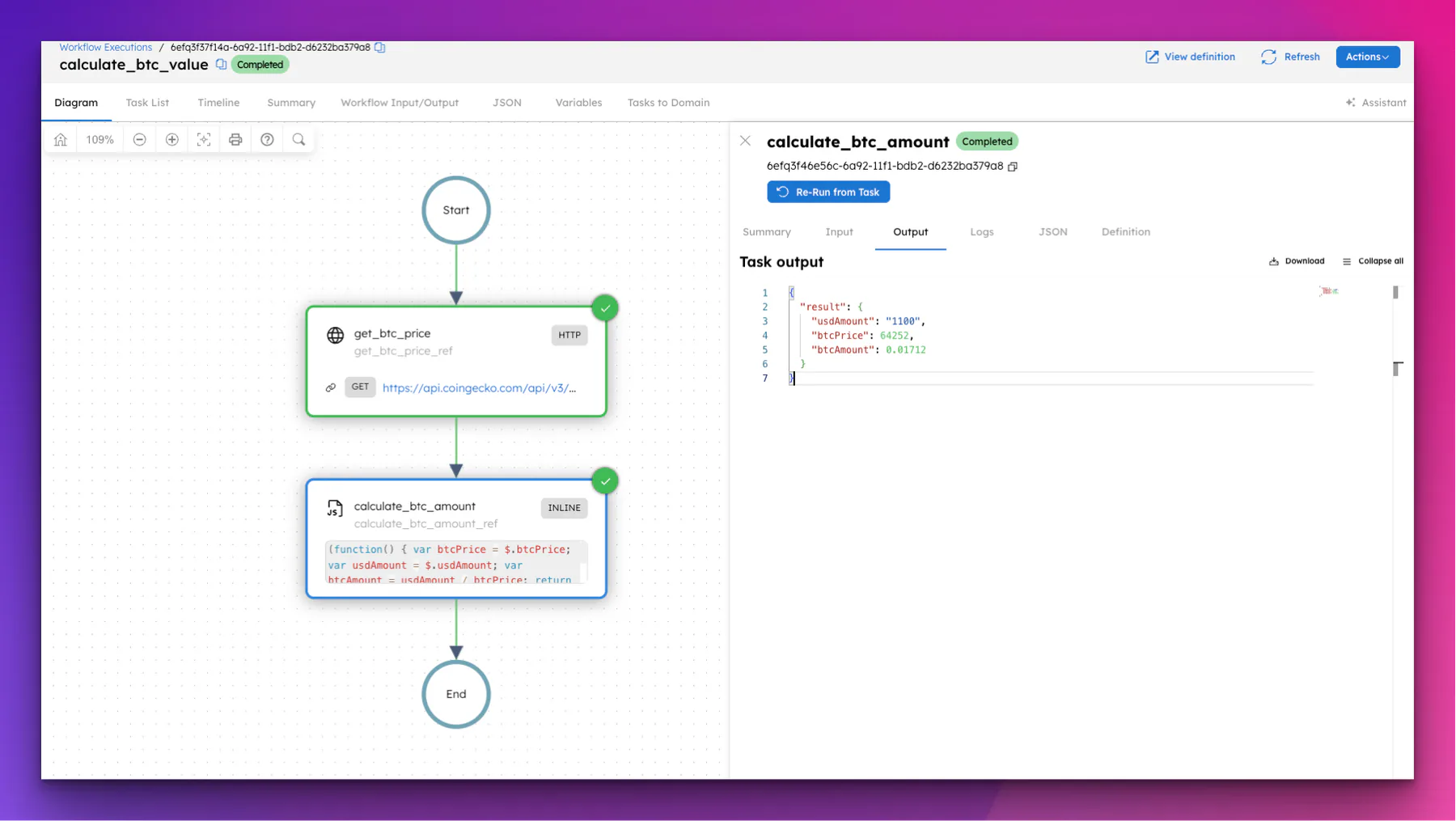
How to Run Custom Logic in Your Workflows Without Writing a Custom Worker
You have a workflow that needs to calculate a price, apply a business rule, or format a string. The last thing you want to do is deploy a whole service for that. Here's how the INLINE task solves it.
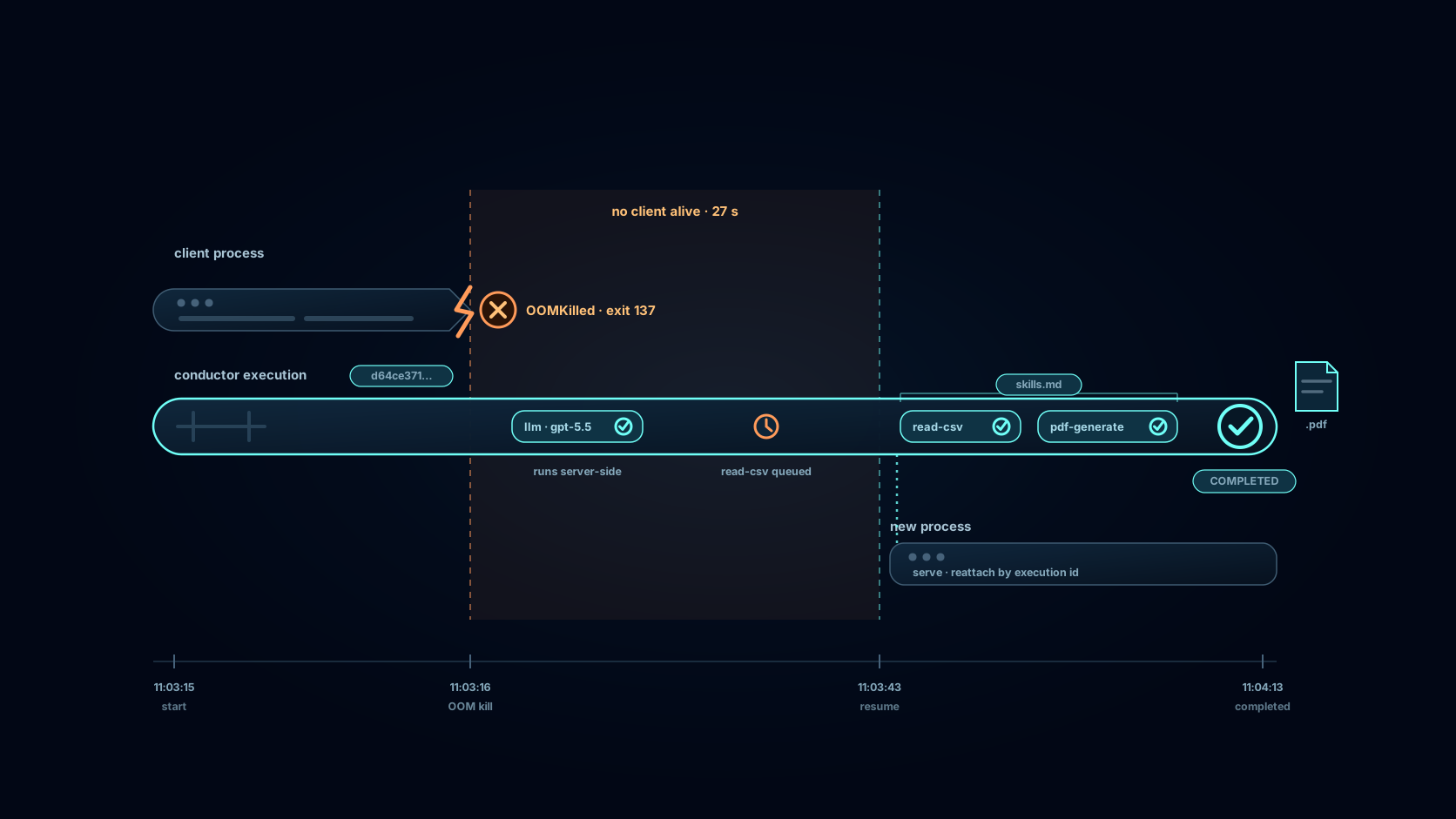
Why AI Agents Lose Work When They Crash (and How to Run skills.md Skills Durably)
An agent crash shouldn't erase everything the run already did. How to make skills.md skill invocations durable, recoverable executions with Conductor.
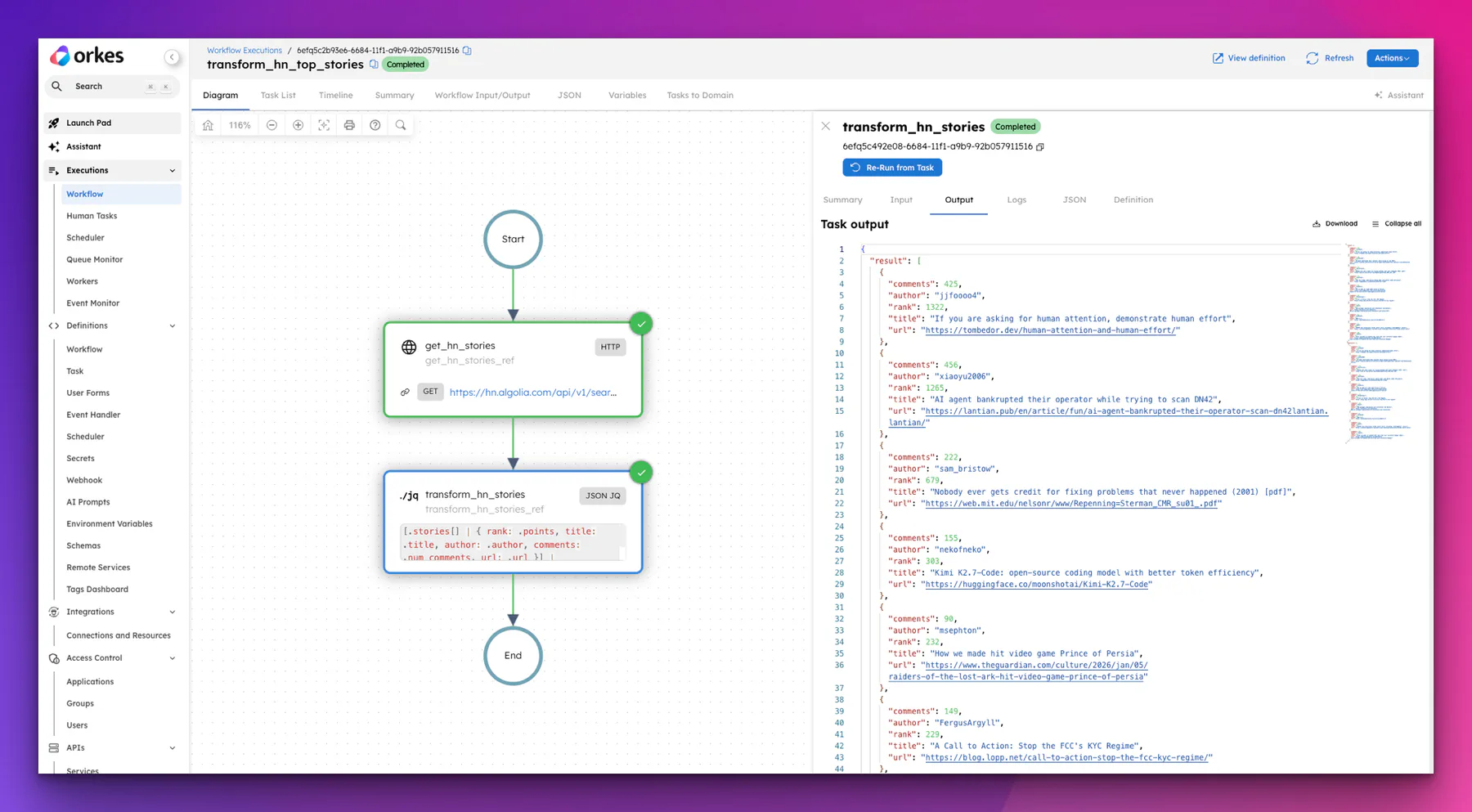
How to Transform JSON in Orkes Conductor Without Writing Custom Code
Stop writing custom workers just to transform JSON. Here's how Conductor's built-in JSON_JQ_TRANSFORM task handles reshaping, filtering, and merging in one expression.
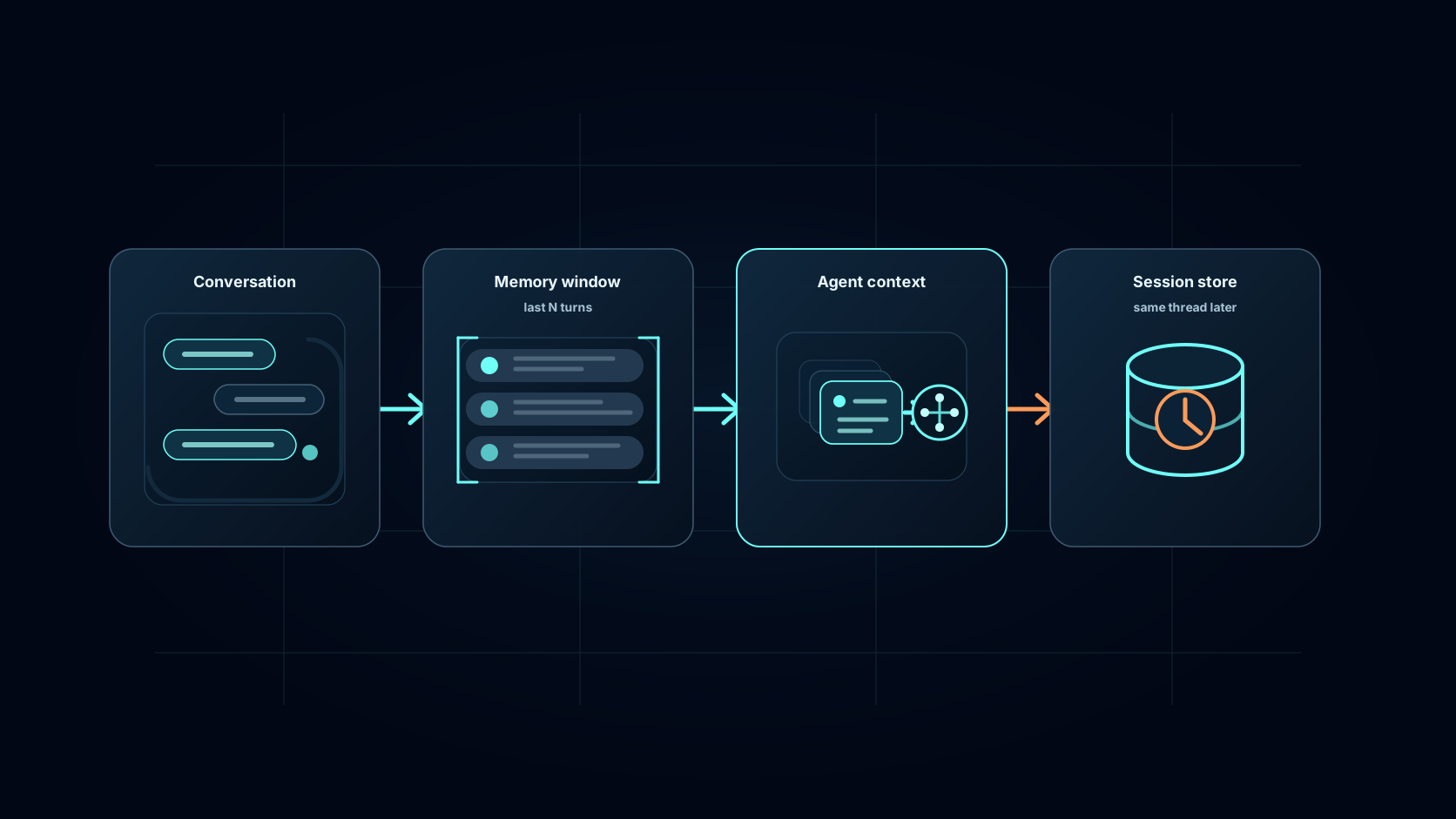
What Is Conversational Memory? How AI Agents Maintain Context
Learn how conversational memory keeps AI agents coherent across follow-ups, corrections, tool calls, and durable sessions, with practical examples in Conductor.
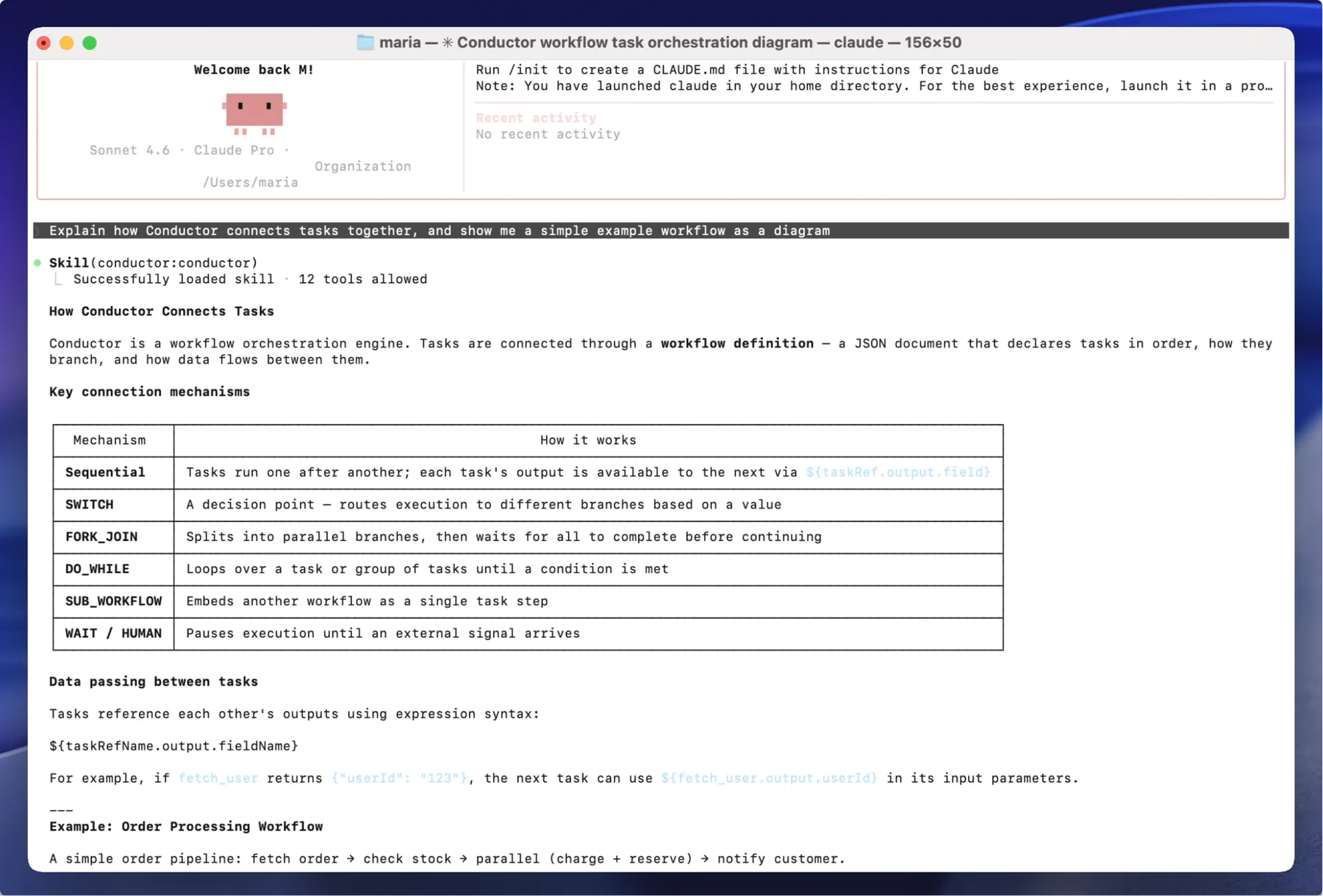
How We Taught Claude, Cursor, and Copilot to Build Agentic Workflows
How conductor-skills teaches any AI coding agent—Claude Code, Cursor, Copilot—to create, run, and monitor Conductor workflows without you explaining a thing.
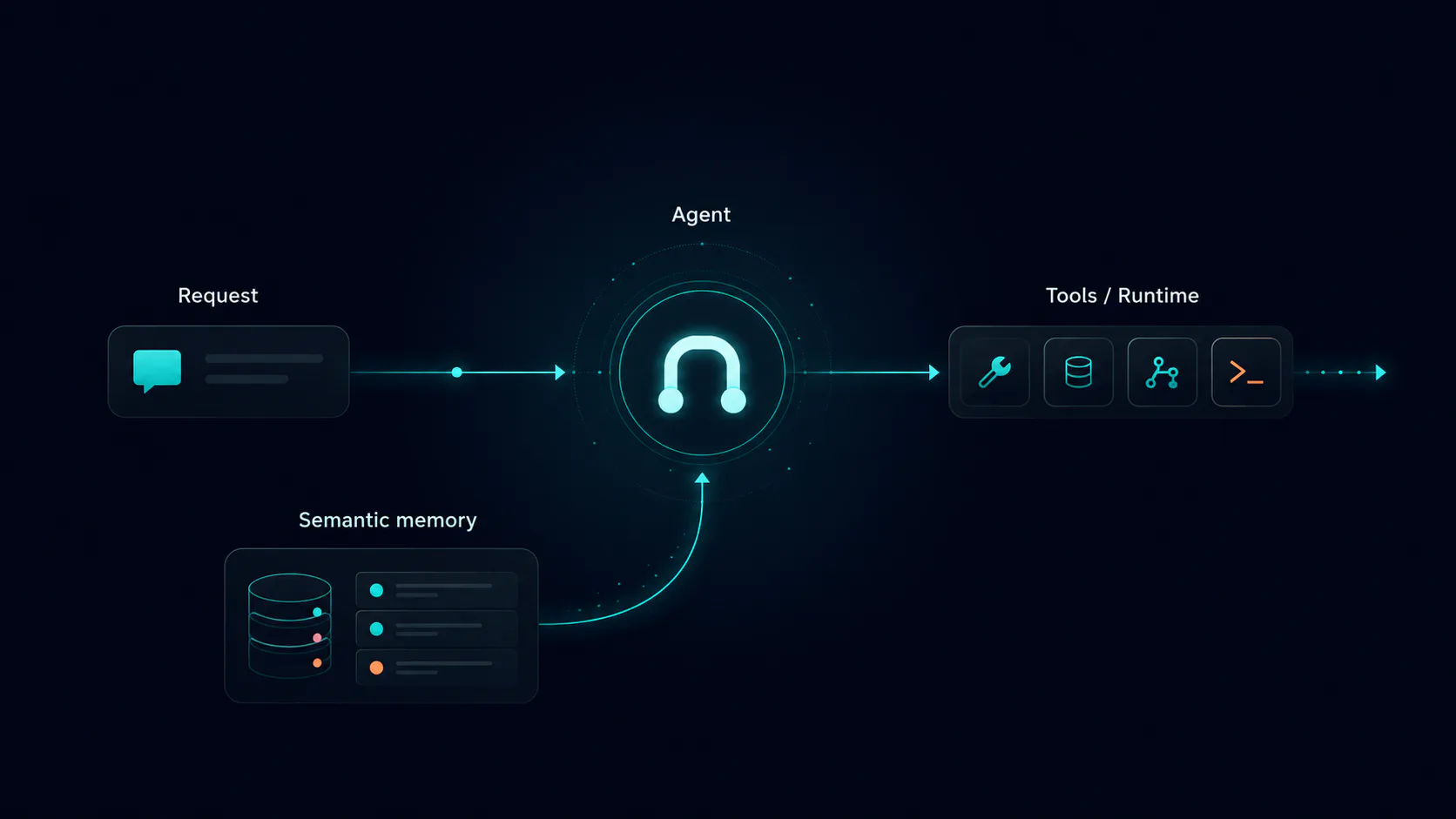
Semantic Memory for AI Agents: How Long-Running Agents Remember What Matters
A practical introduction to semantic memory for AI agents: what should persist across sessions, how it differs from chat history, and how Conductor exposes memory as agent infrastructure.
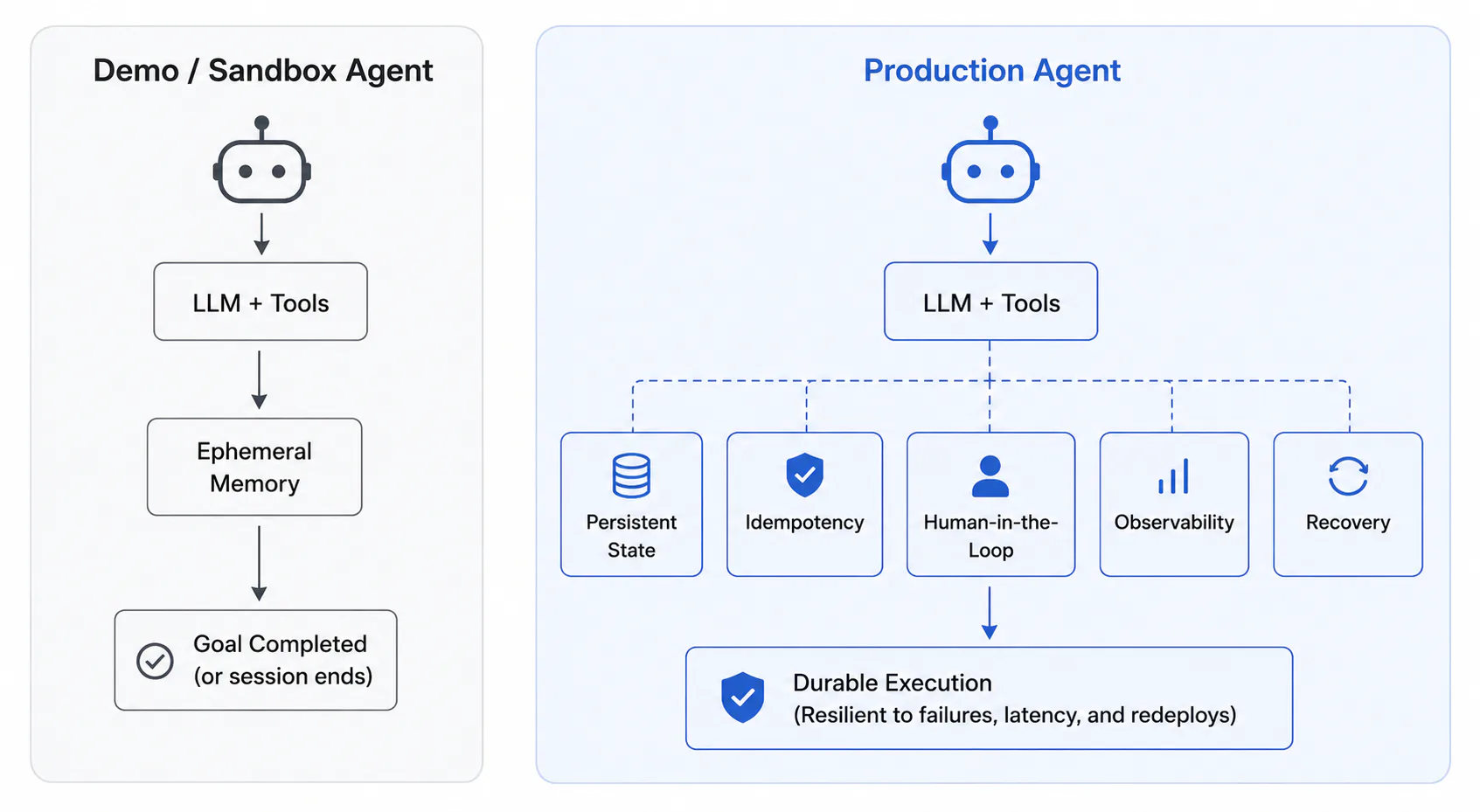
AI Agent System Design: Building Durable Agents from Tools to Deployment
A practical system design guide for production AI agents: tools, state, integrations, human approval, recovery, observability, and deployment architecture.
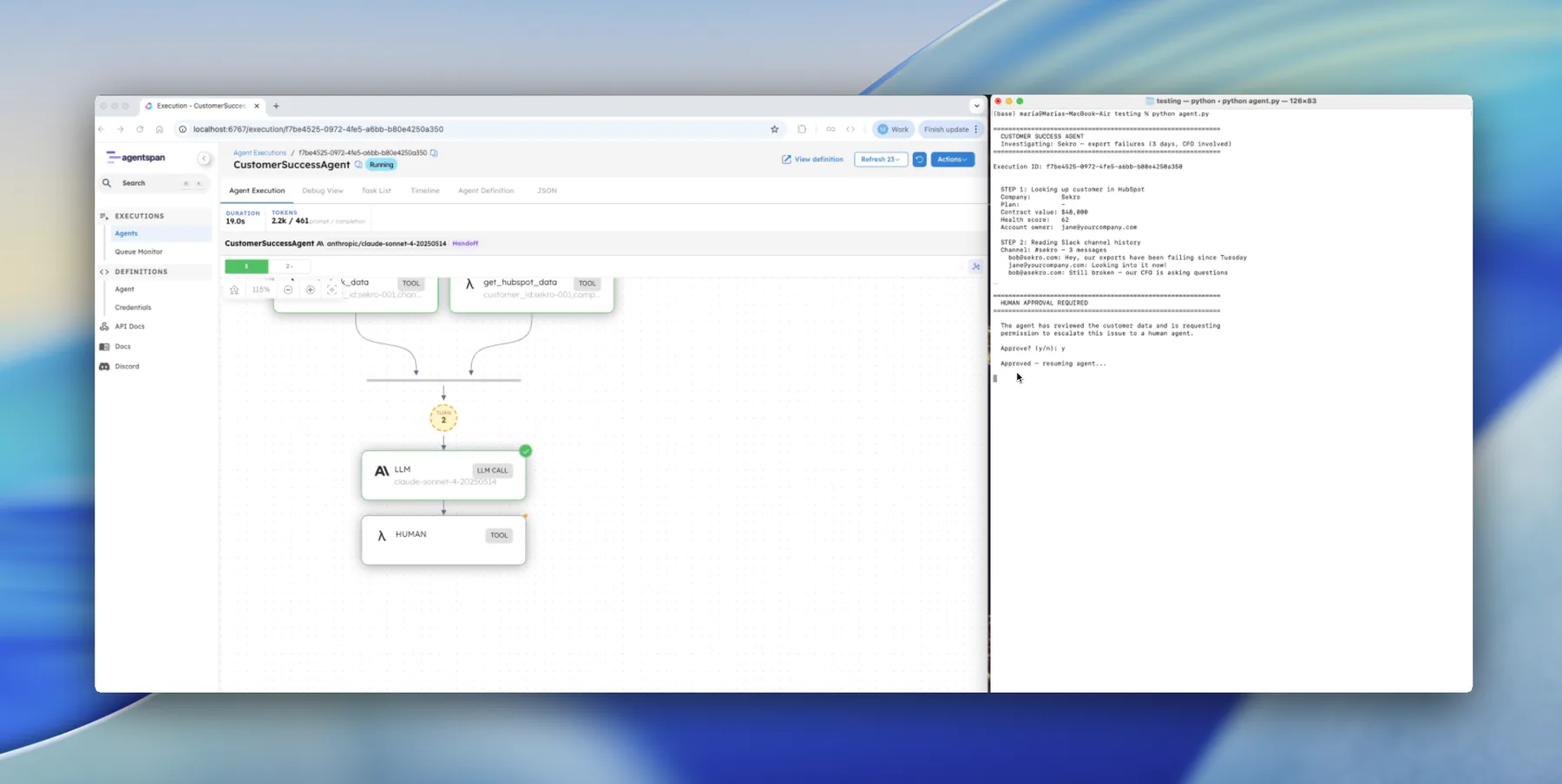
How to Build a Customer Success AI Agent in Python
Let’s build a customer success AI agent that can understand customer issues, gather context, and decide what to do next..
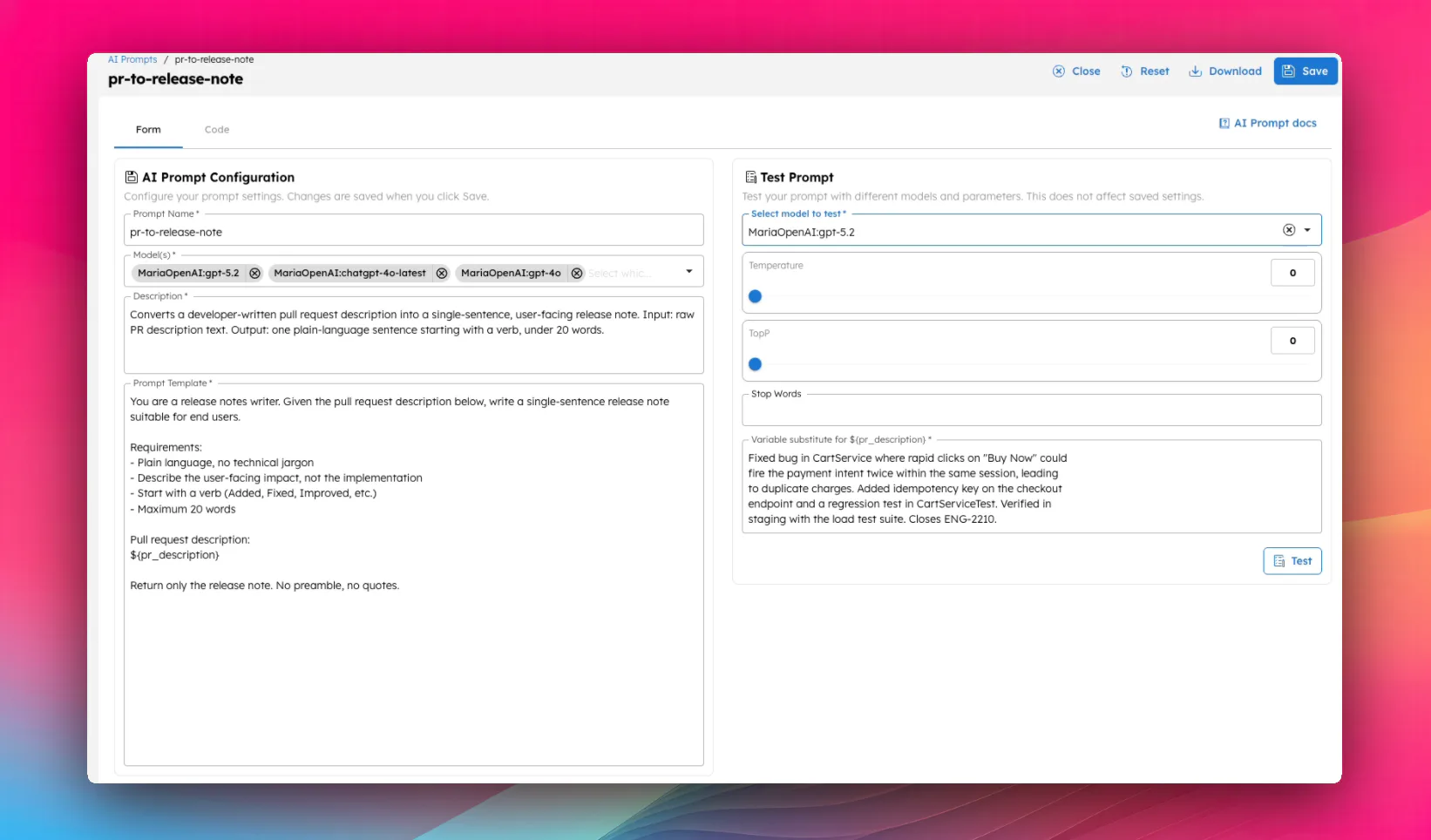
How to Test Your AI Prompts with Orkes Prompt Studio: Catch Prompt Issues Before They Hit Production
A walkthrough for treating prompts as first-class, testable artifacts before they ship inside your agents and workflows.
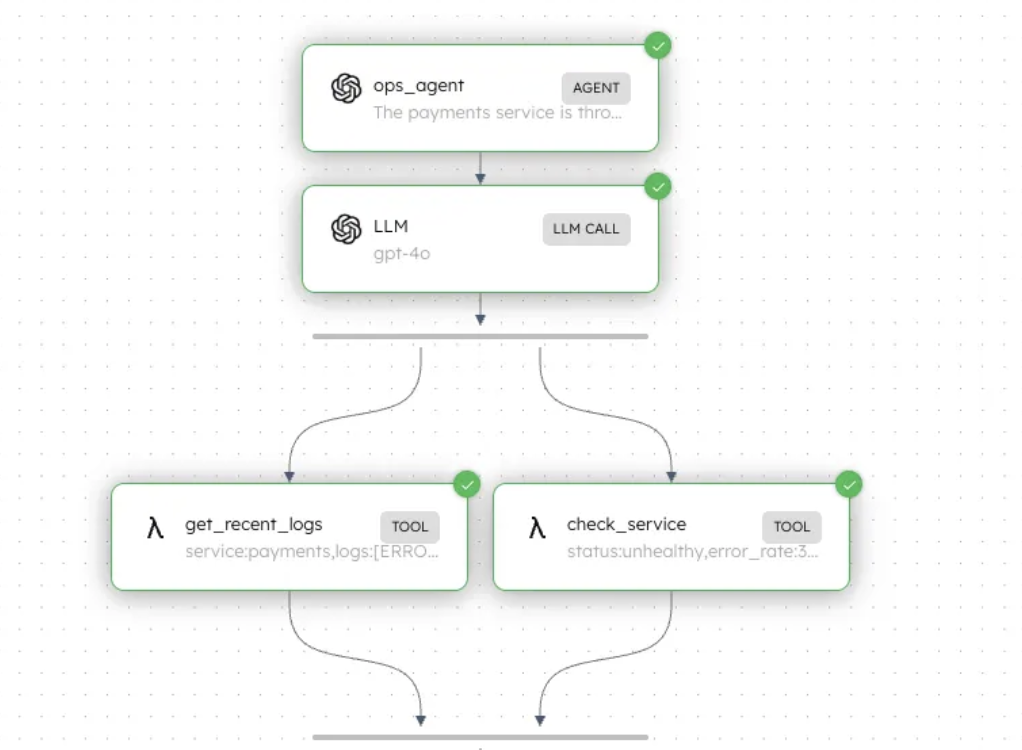
See Inside Your Agent: Real-Time Streaming with Conductor
Swap run() for stream() and watch every reasoning step, tool call, and result land in real time — without giving up Conductor's durability.

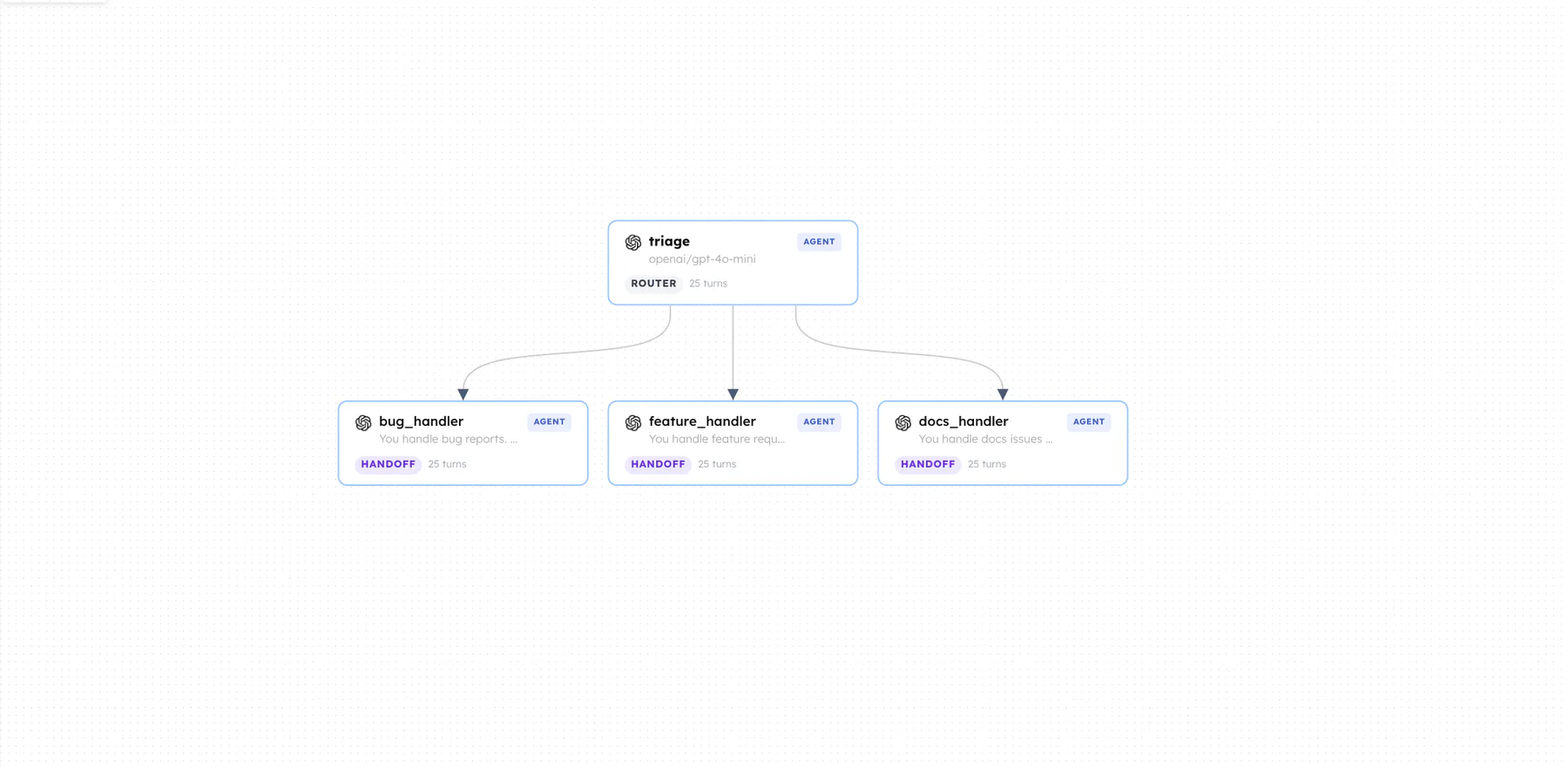
Split the Brain: Build an Issue Triage Bot with the Router Strategy
Build an issue triage bot in Conductor with Strategy.ROUTER, where a dedicated classifier agent routes each issue to the right specialist — cheaper and more explicit than handoff.
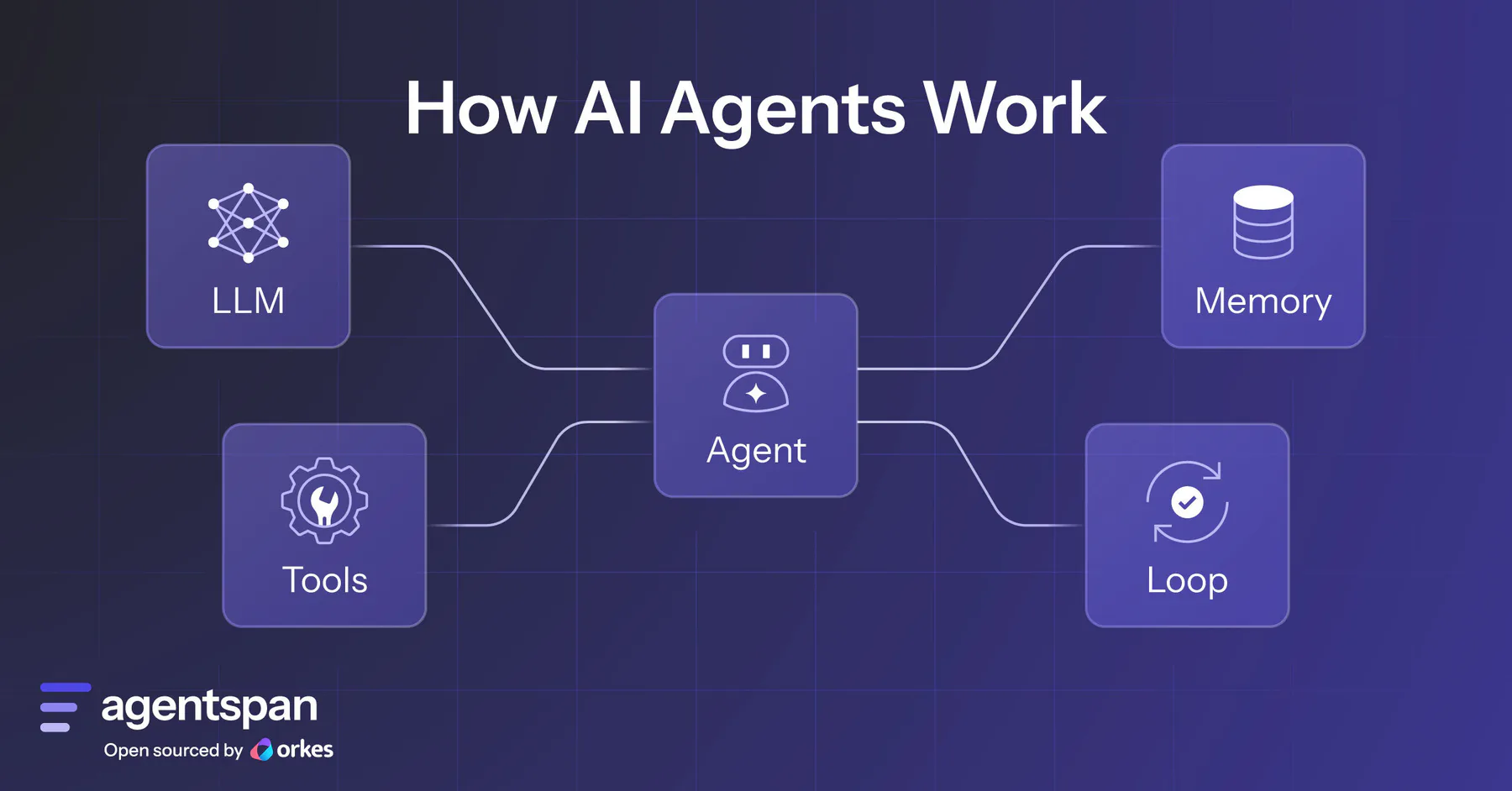
I Built an AI Agent That Finds My Forgotten Subscriptions — Here's Exactly How
The four building blocks behind every AI agent — LLMs, tools, loops, and memory — and how to connect them up into something durable.
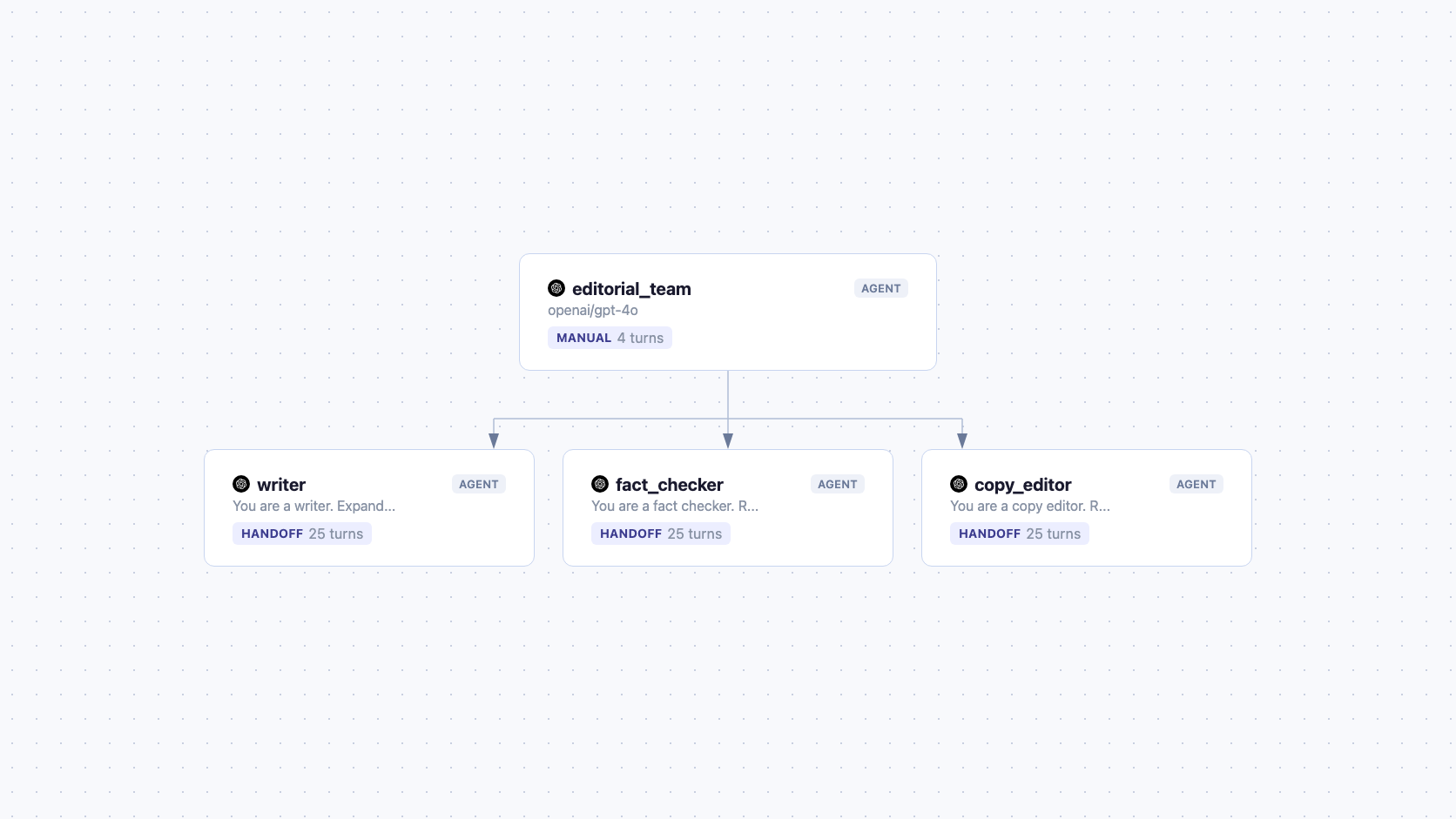
You Decide: Build a Human-Directed Editorial Workflow with the Manual Strategy
Build a human-directed editorial workflow in Conductor with Strategy.MANUAL, where you pick which agent runs next — writer, fact checker, or copy editor — every turn.
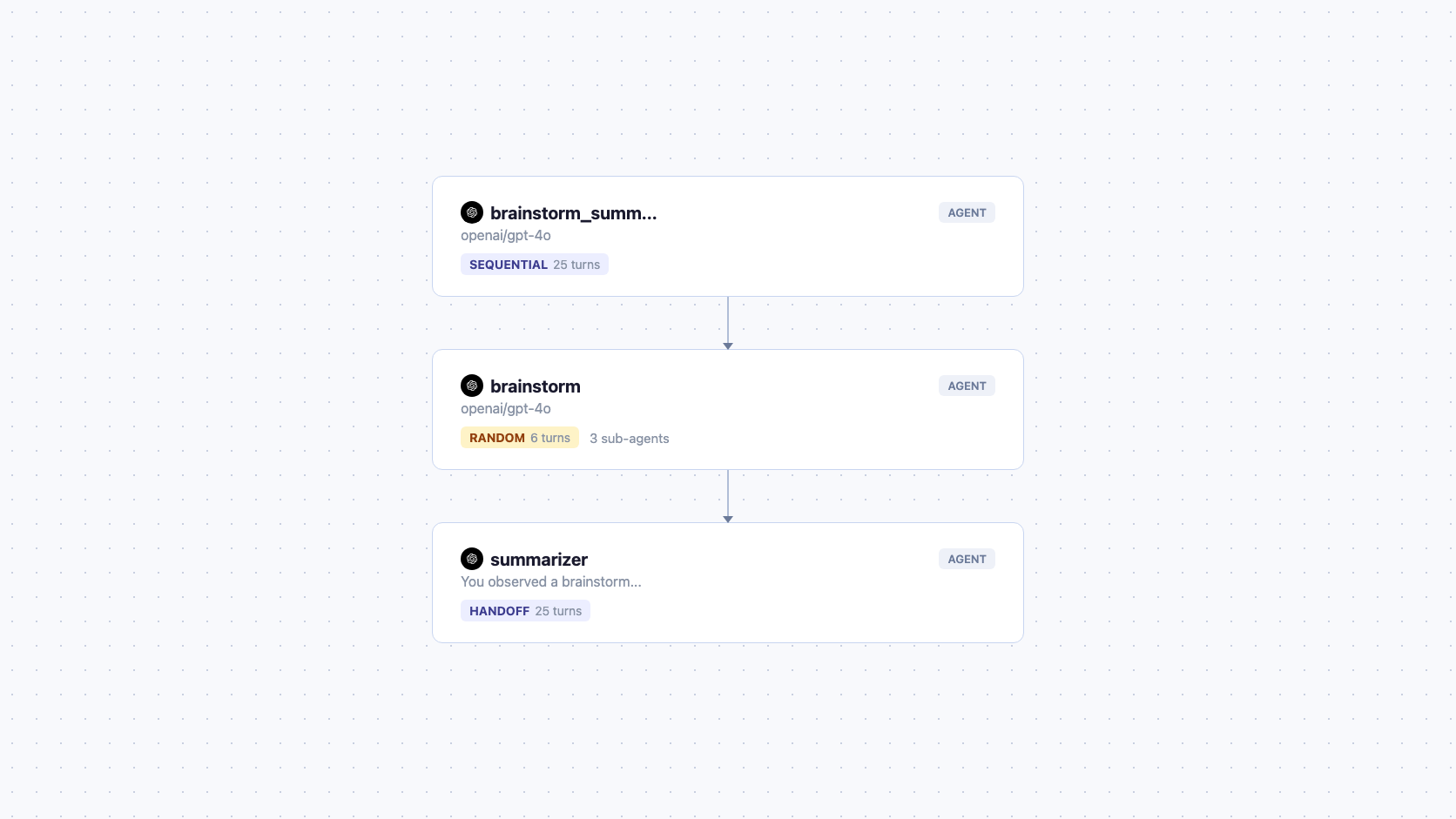
Roll the Dice: Build a Brainstorming Session with the Random Strategy
Build a multi-agent brainstorming session in Conductor with Strategy.RANDOM, where agents are selected randomly each turn to generate diverse, unpredictable perspectives.
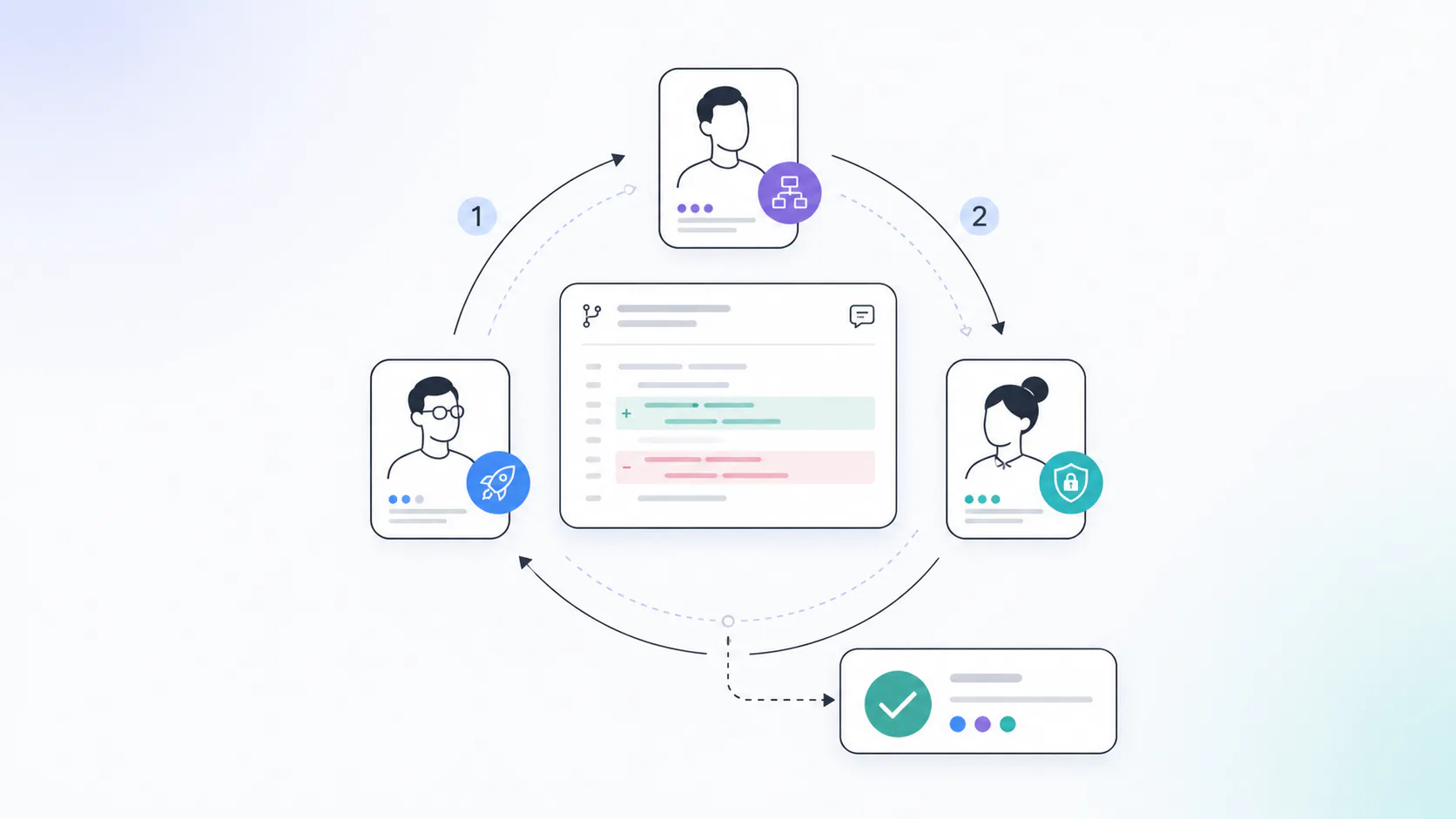
Three Reviewers, Two Rounds, One Verdict: Build a Code Review Debate with Round Robin
Build a code review debate in Conductor with Strategy.ROUND_ROBIN, where specialist agents take turns, respond to each other, and converge on a verdict.
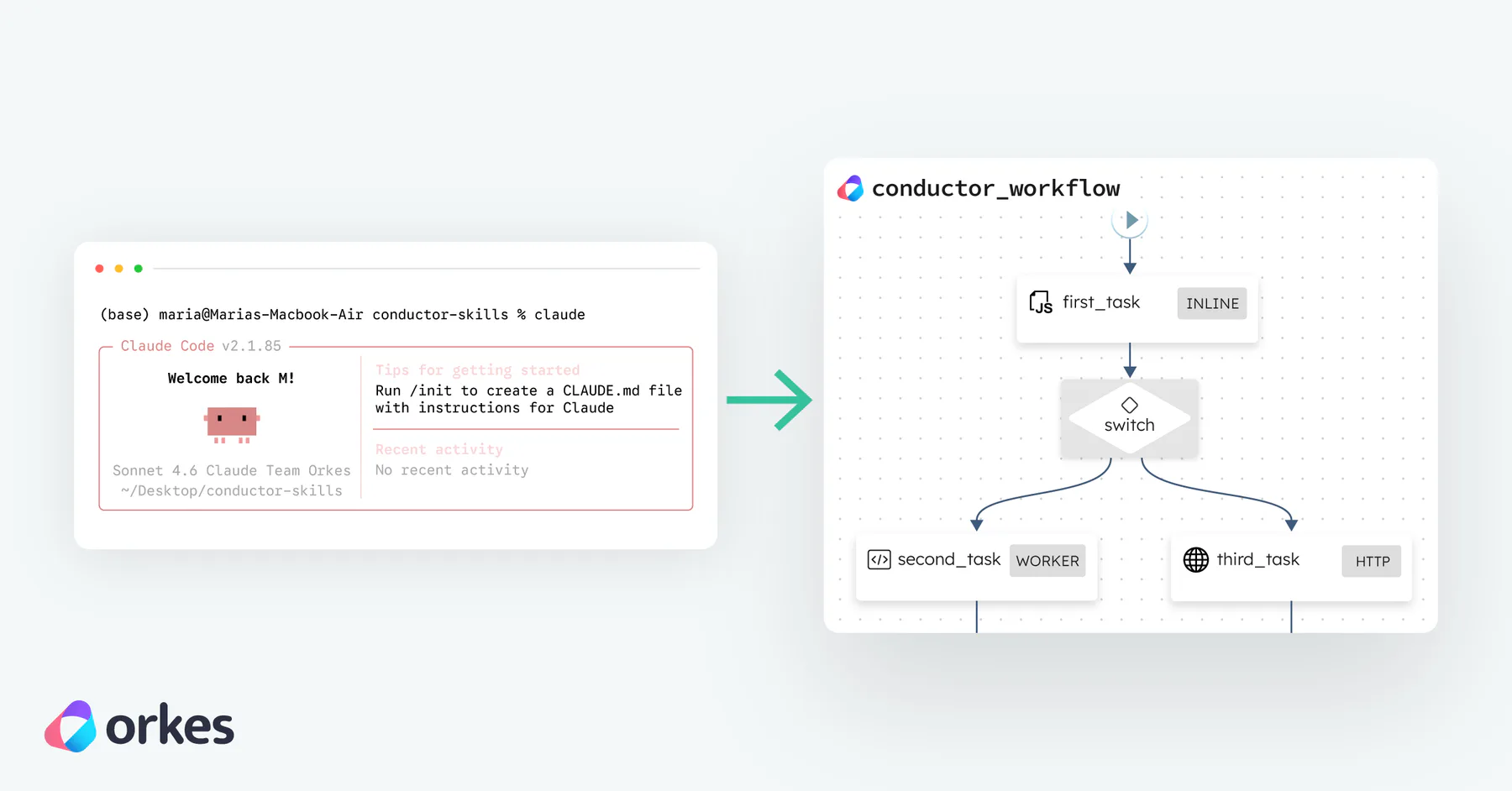
How to Build a Durable Conductor Workflow using Conductor Skills and Claude Code in Minutes
How you can use Claude Code and Conductor Skills to build all of your workflows
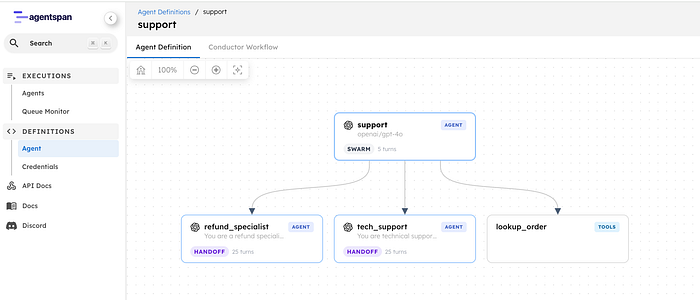
Agents Talk to Each Other: Build a Support Swarm with Peer-to-Peer Transfers
Build a support swarm in Conductor using Strategy.SWARM so specialist agents can transfer work directly to each other.
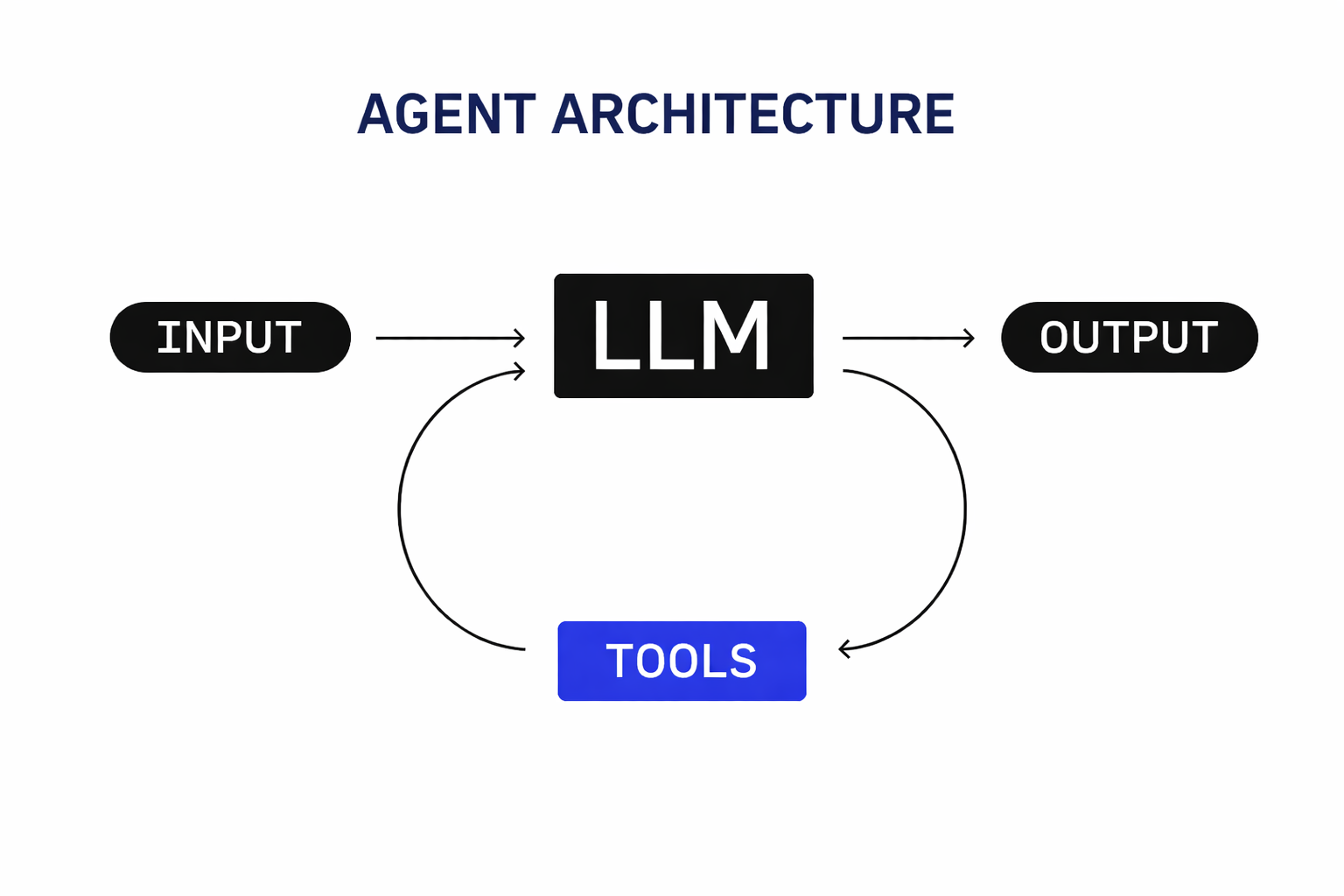
Building a Coding Agent from Scratch: What's Really Under the Hood
A deep dive into a durable coding assistant REPL built with Conductor, covering the agent loop, tools, event streaming, workflow message queues, signals, background processes, and resume.

Why we built Agentspan: the production agent problem nobody wants to talk about
A practical look at why durable execution, server-side state, and workflow observability matter when AI agents move from demos to production.
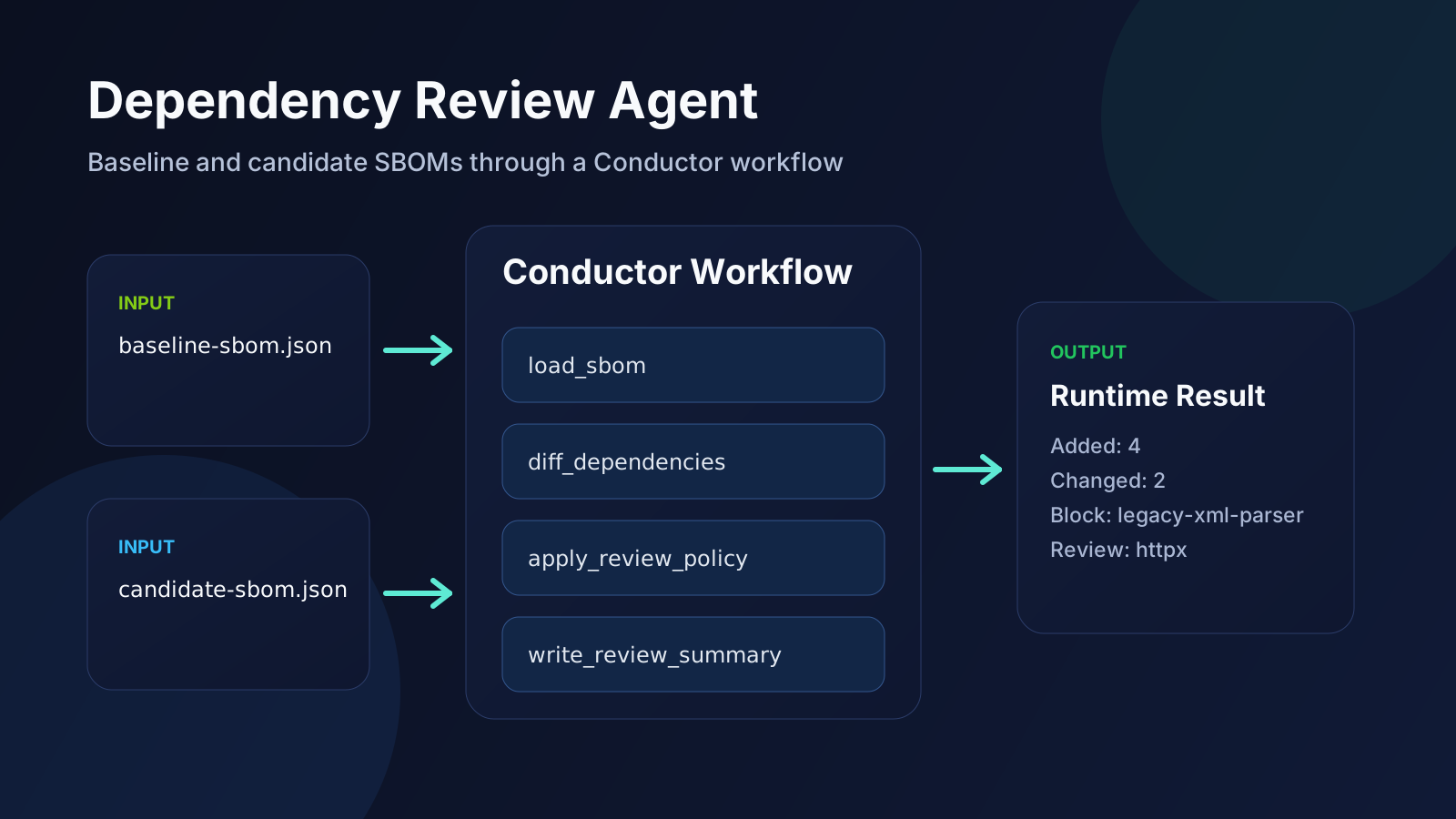
Building a Dependency Review Agent for Release Engineering
Use Conductor `@tool` functions and `ToolContext.state` to compare SBOMs, apply review policy, and keep the full execution trail on the server.
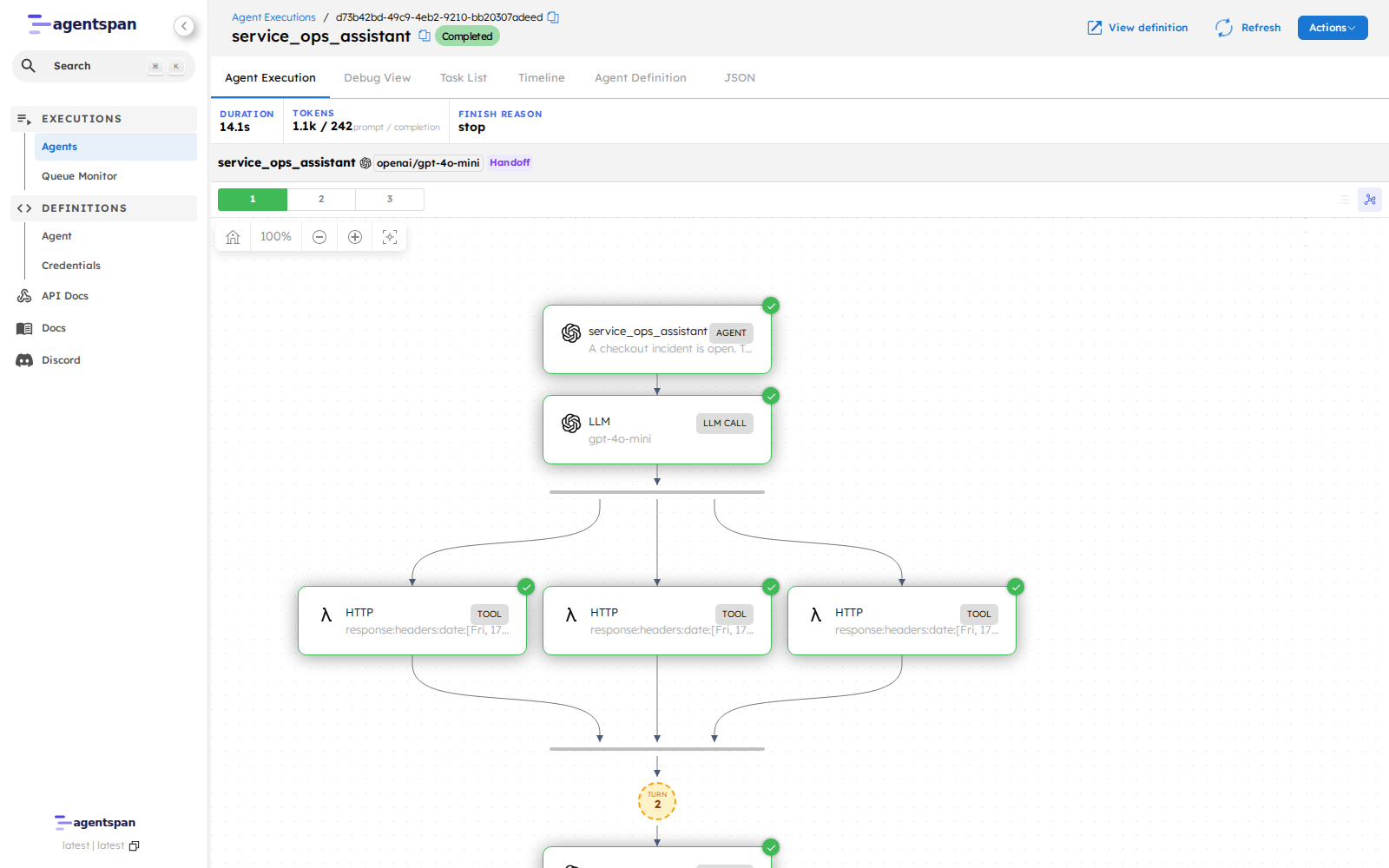
How to Build Agents on Top of Your APIs with Conductor
Use Conductor `api_tool()` to turn an existing OpenAPI spec into agent-callable operations, scope the API surface with `tool_names`, and inspect the resulting execution in the UI.
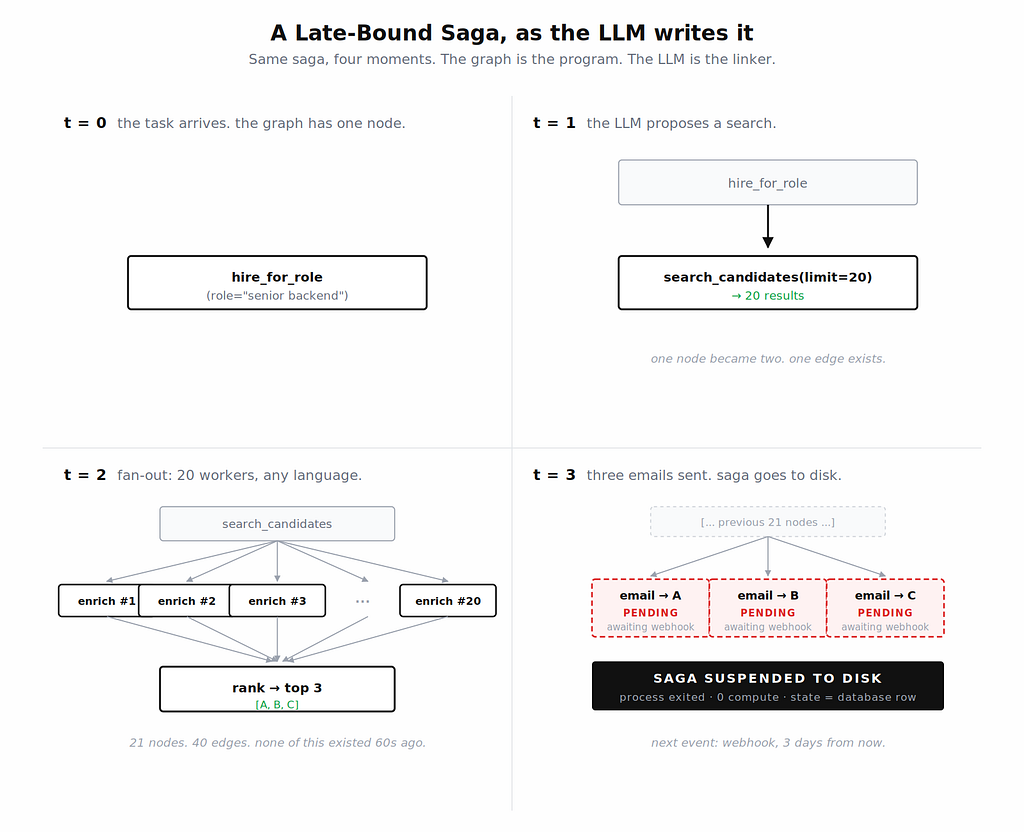
Late-Bound Sagas: Why Your Agent Is Not an LLM in a Loop
Why durable agent execution needs a runtime-owned instruction pointer, an intent ledger, and effectively-once side effects instead of a process-local loop.
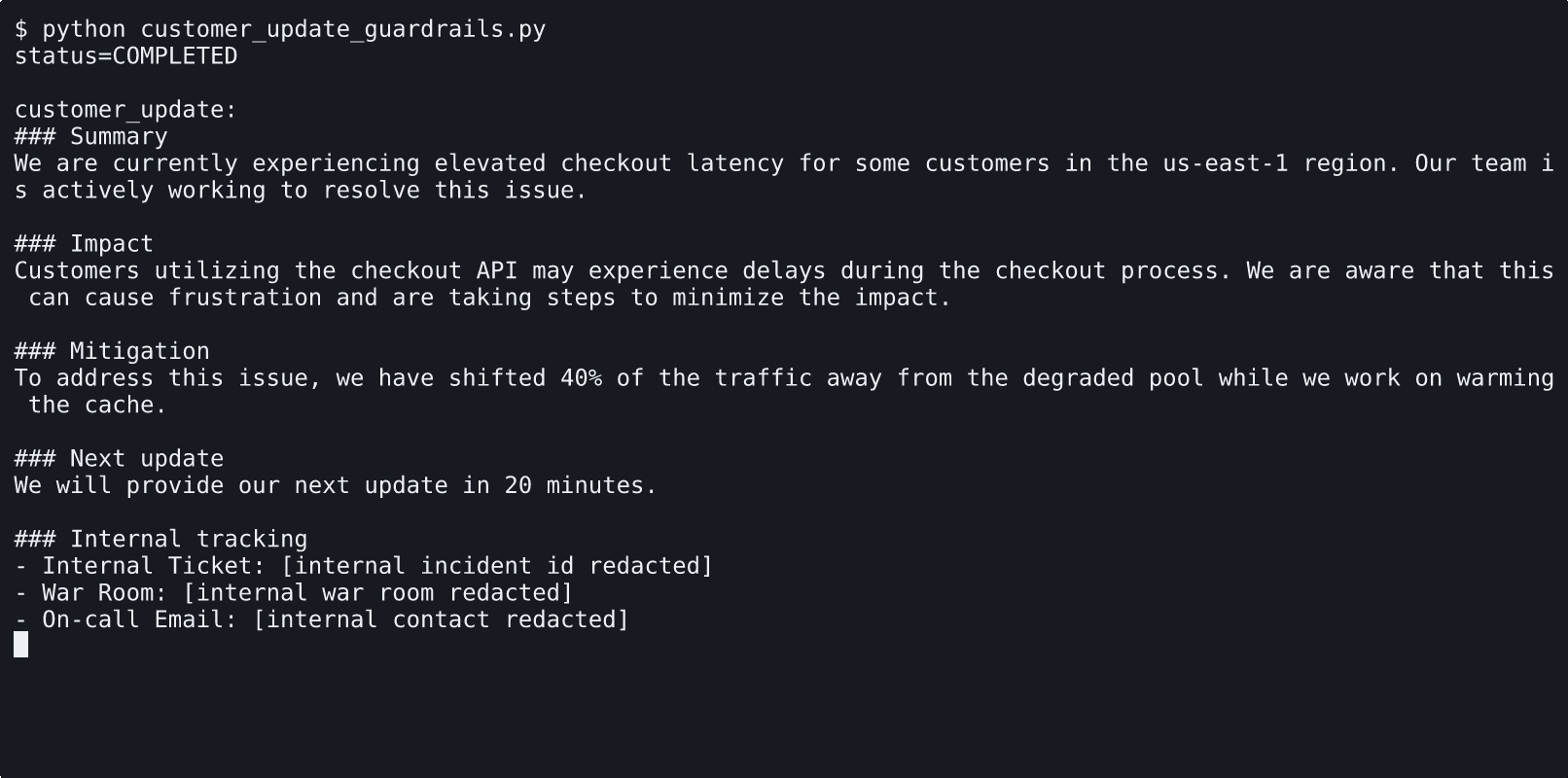
Redact Internal Data with Conductor Guardrails
Use an output guardrail in Conductor to rewrite sensitive incident metadata before the workflow returns a customer-facing response.
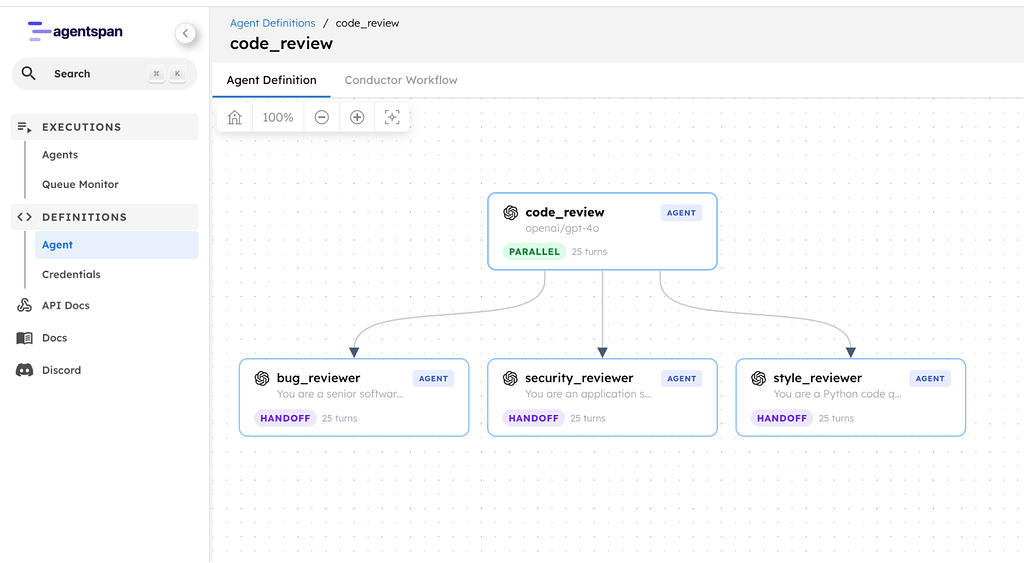
Three Reviewers, One PR, Zero Wait: Build a Parallel AI Agent Pipeline
Build a parallel code review pipeline with Conductor using specialist agents that review the same code at the same time.
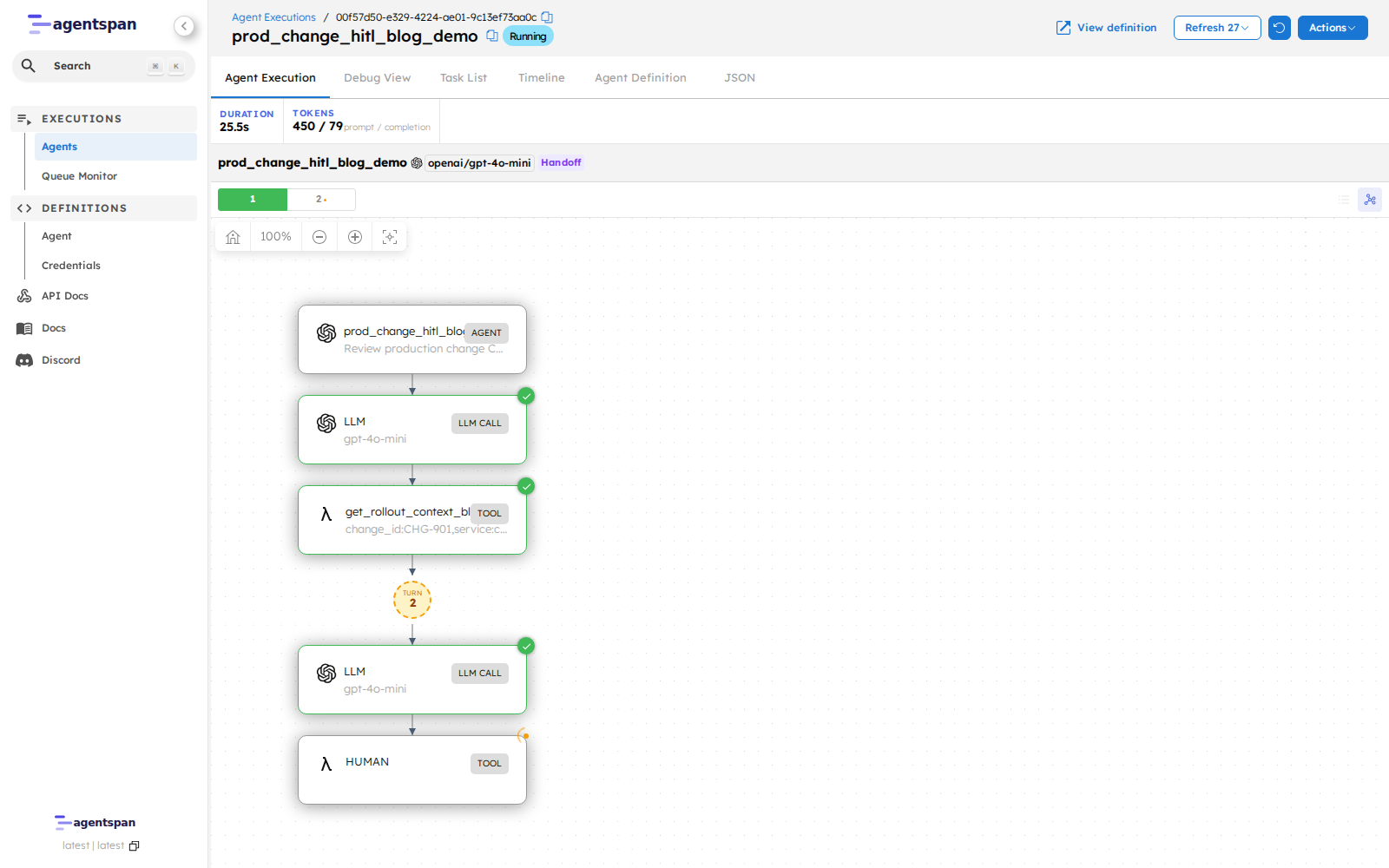
Add Human Approval Checkpoints to Conductor Workflows
Use approval-required tools in Conductor to pause a workflow for human review, then resume the same execution after approval.
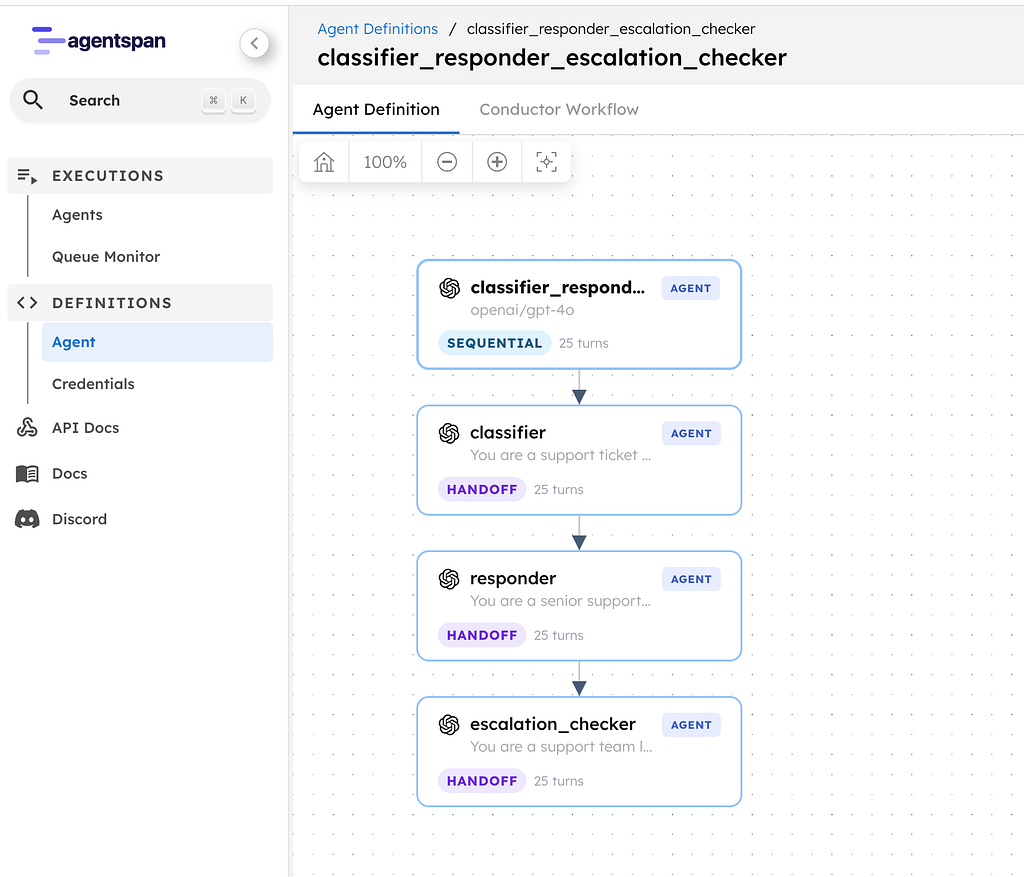
From Support Ticket to Resolution: Build a Sequential AI Agent Pipeline
Build a sequential AI support pipeline with Conductor using specialist agents for classification, response drafting, and escalation.

How to Orchestrate Multi-Agent Workflows on Kubernetes with Conductor
Deploy a durable multi-agent workflow on Kubernetes with Conductor, K3d, and a crash-safe orchestration model.
AI Agents 101
A practical introduction to AI agents, including loops, tools, memory, and how simple agents differ from more complex systems.
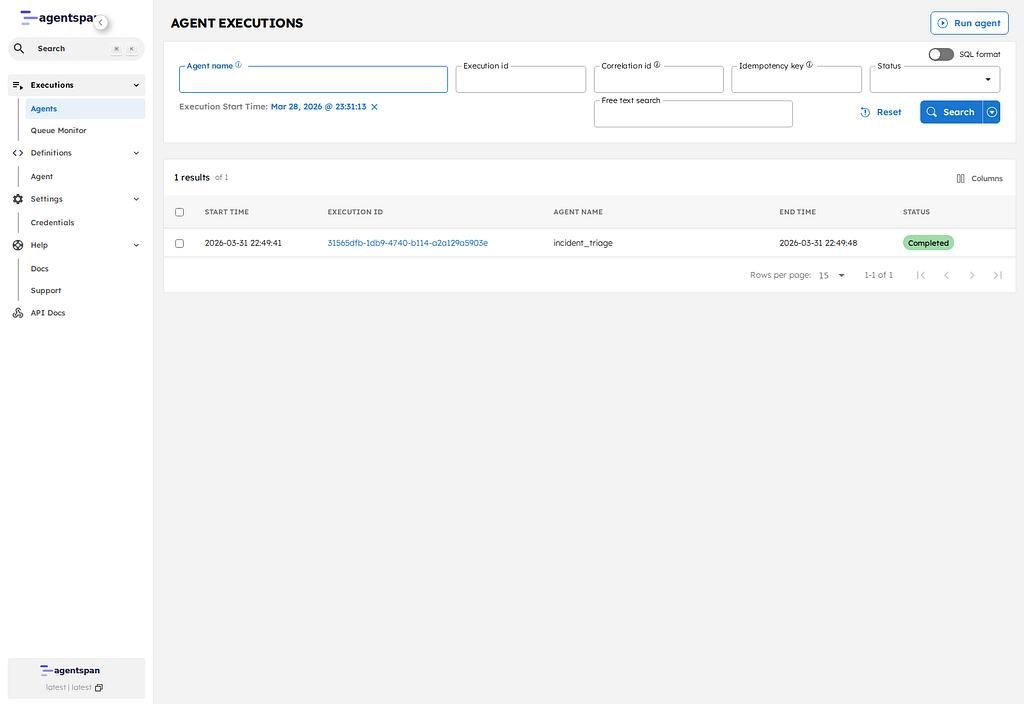
Build a durable incident-response agent with Conductor
Build an incident-response agent that can investigate, pause for approval, and resume safely after crashes.
Open Sourcing Agentspan: Durable AI Agents
Why Agentspan exists, what it ships today, and how it brings durable execution to production AI agents.
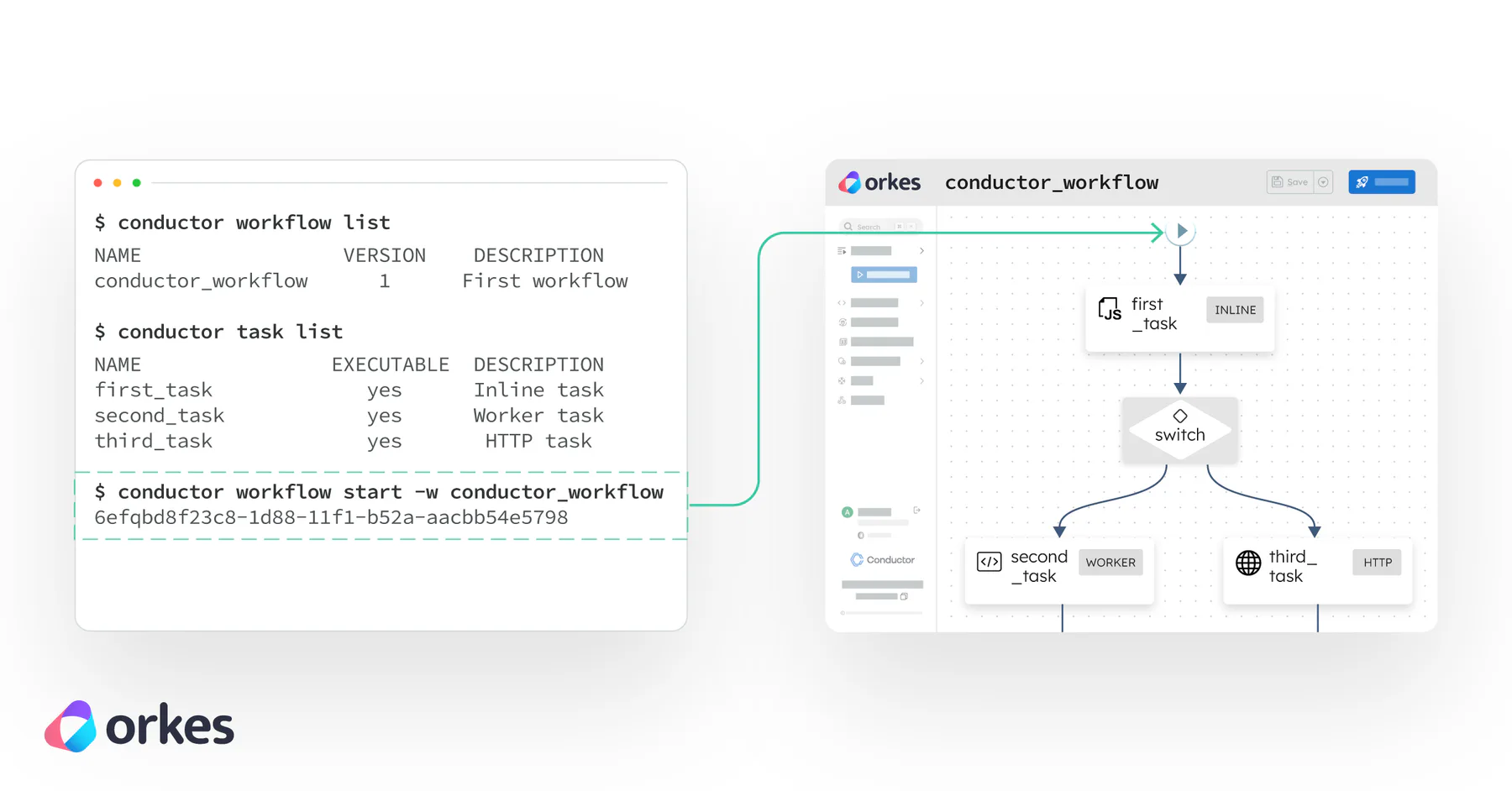
Conductor CLI Guide: Register, Run, Retry, and Recover Durable Workflows Without Leaving Your Terminal 💻
How to install, configure, and use the Conductor CLI to manage workflows without leaving your terminal.
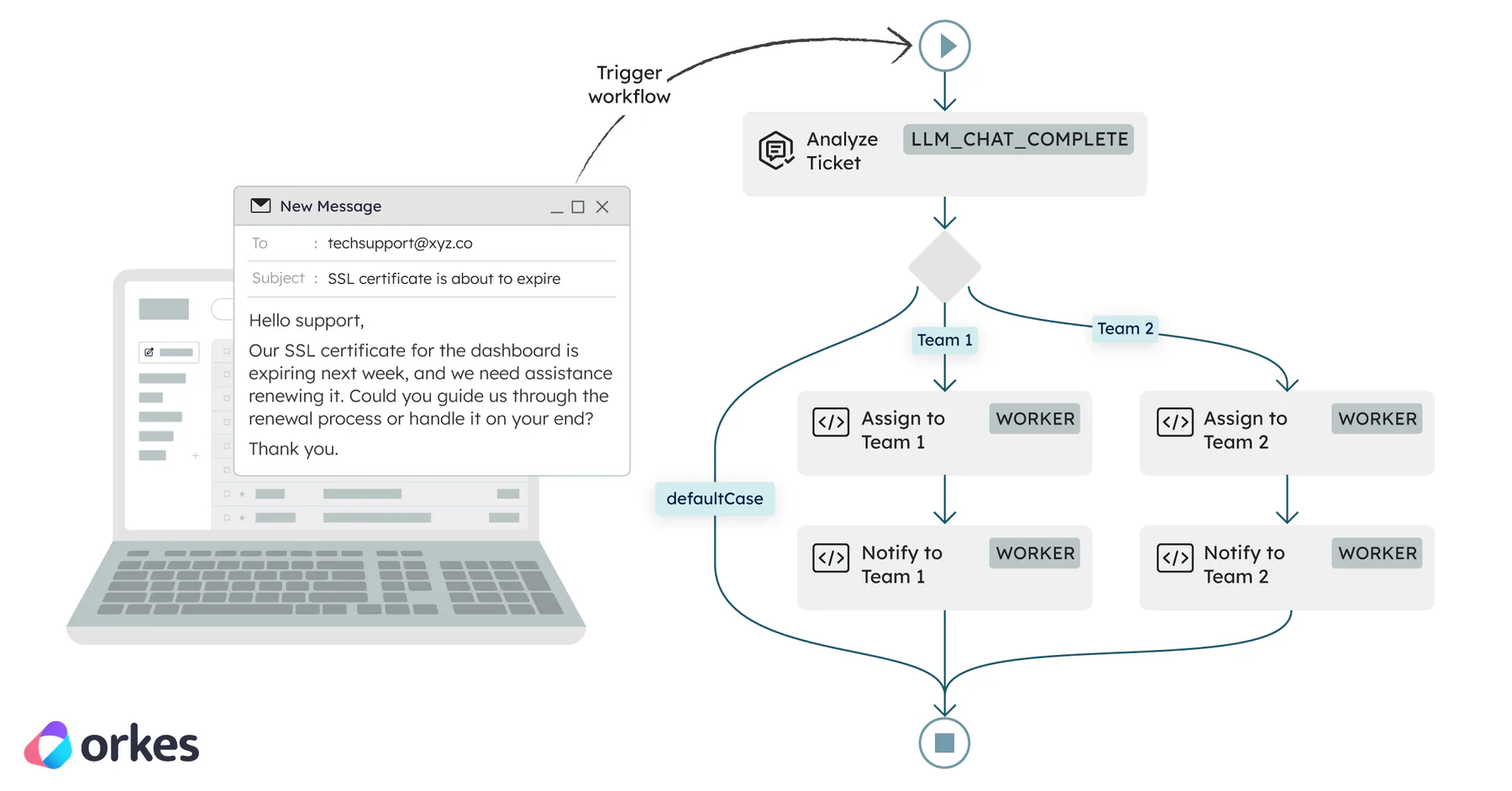
How to Build an AI-Powered Support Ticket Triage Workflow with Orkes Conductor
This support ticket triage automation workflow uses AI to read support emails, pull out important details, and send each ticket to the right team automatically.
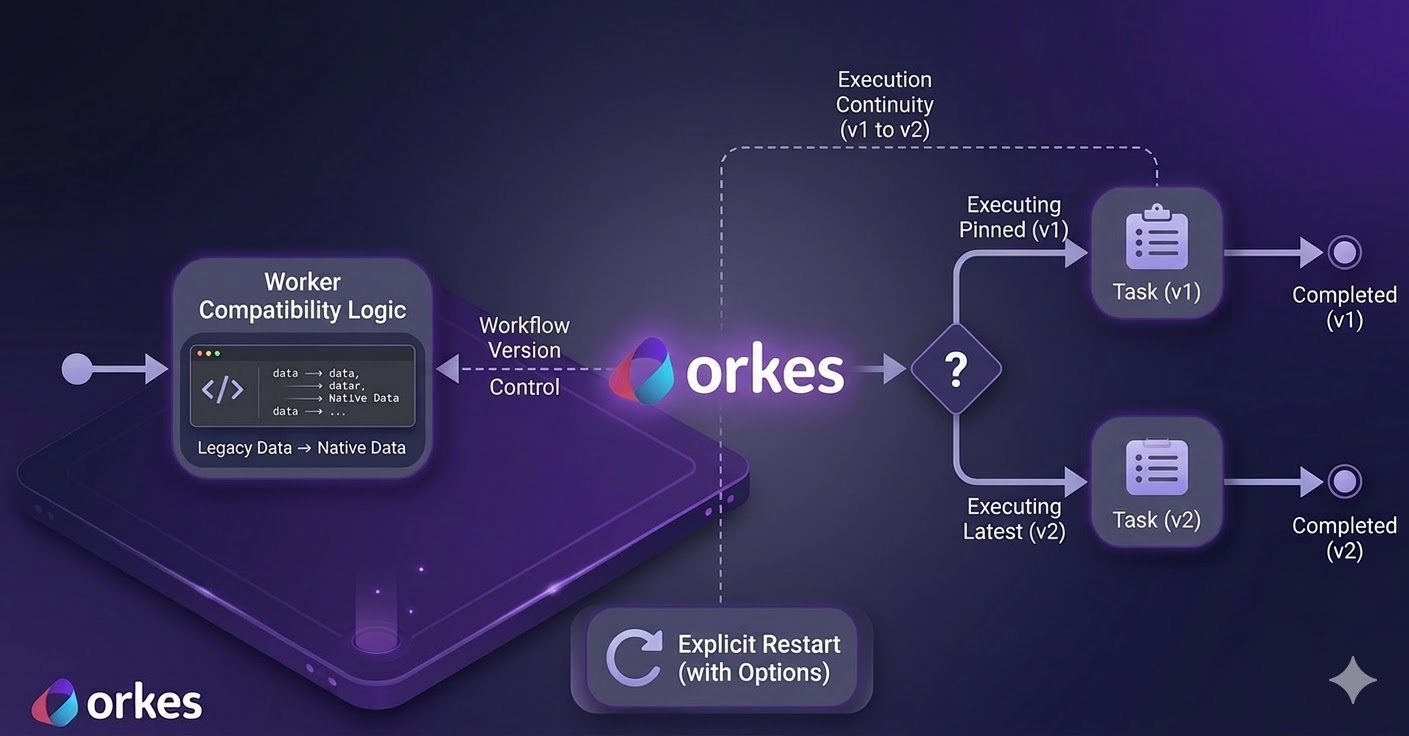
Workflow Versioning and Backward Compatibility: Stop Breaking Long-Running Executions
How to ship new workflow versions without breaking in-flight executions.
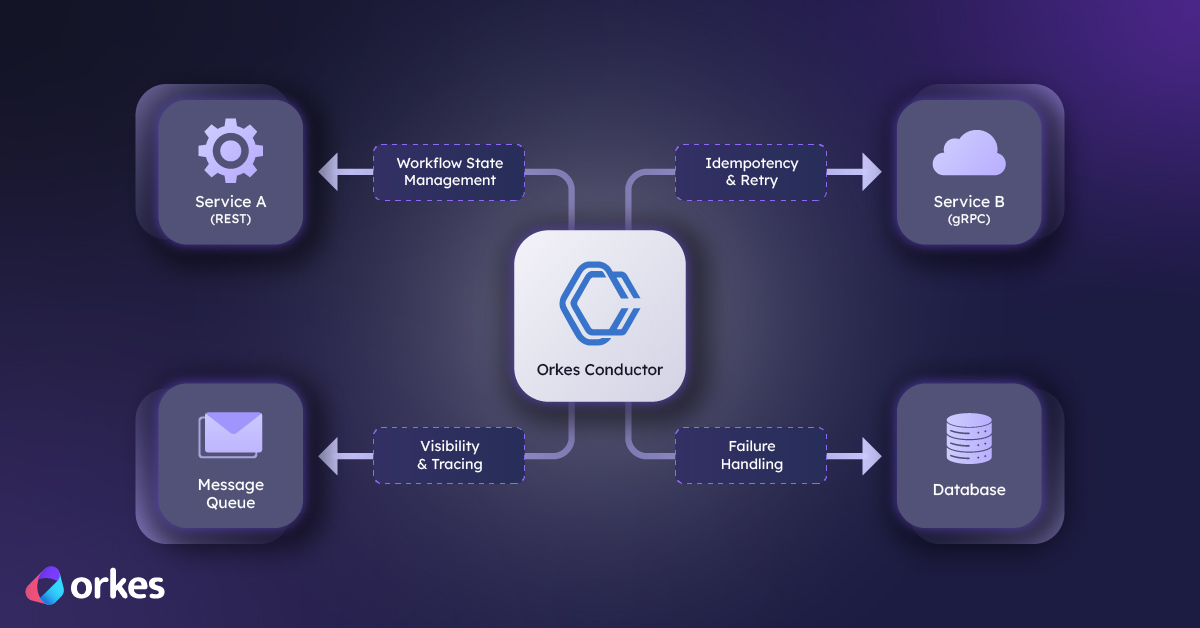
How to Make Distributed Workflows Retry-Safe
A practical walkthrough for preventing duplicate side effects with idempotency patterns and Orkes Conductor.
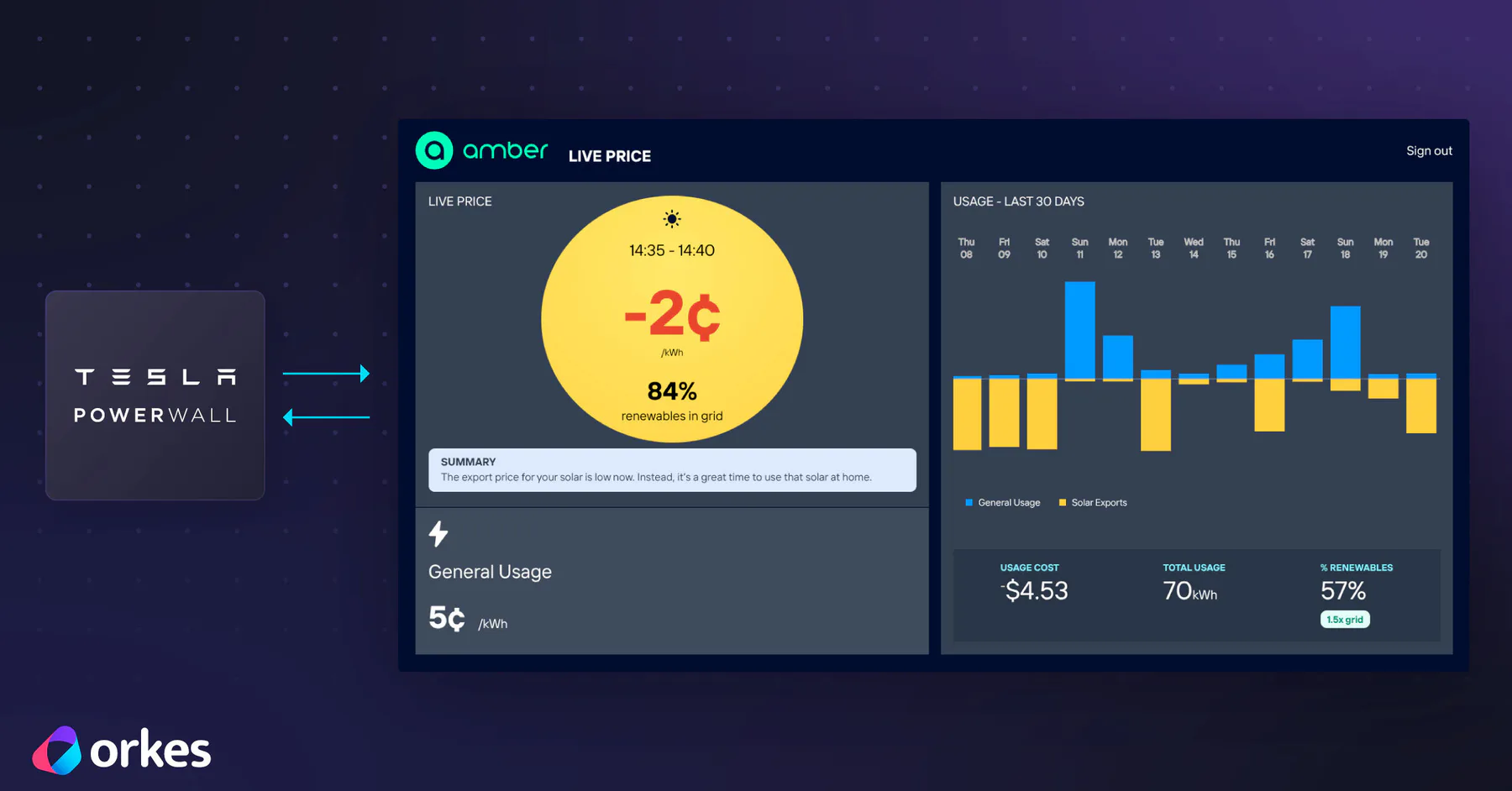
Expedite Tesla Powerwall Payback Period with Automated Solar Production Curtailment During Negative Feed-In Pricing with Australia’s Amber Electric and Orkes
Automate Tesla Powerwall export curtailment during negative Amber pricing using Orkes, accelerating solar payback with zero manual effort.

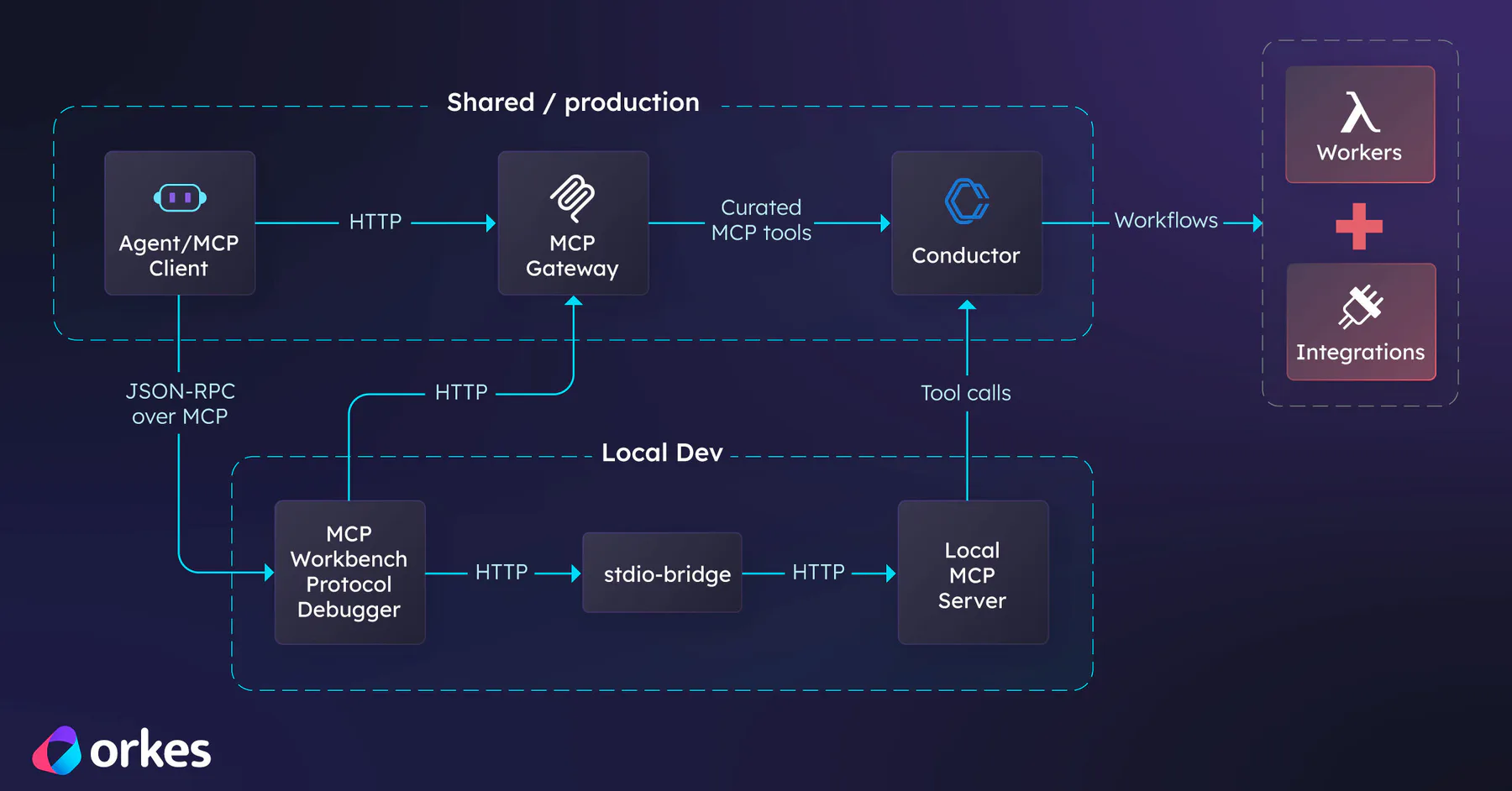
MCP Workbench: A Protocol Debugger for Tool-Using Agents
A technical walkthrough of MCP, why debugging MCP matters, how MCP Workbench is built to help, and a practical getting-started project you can validate end-to-end.
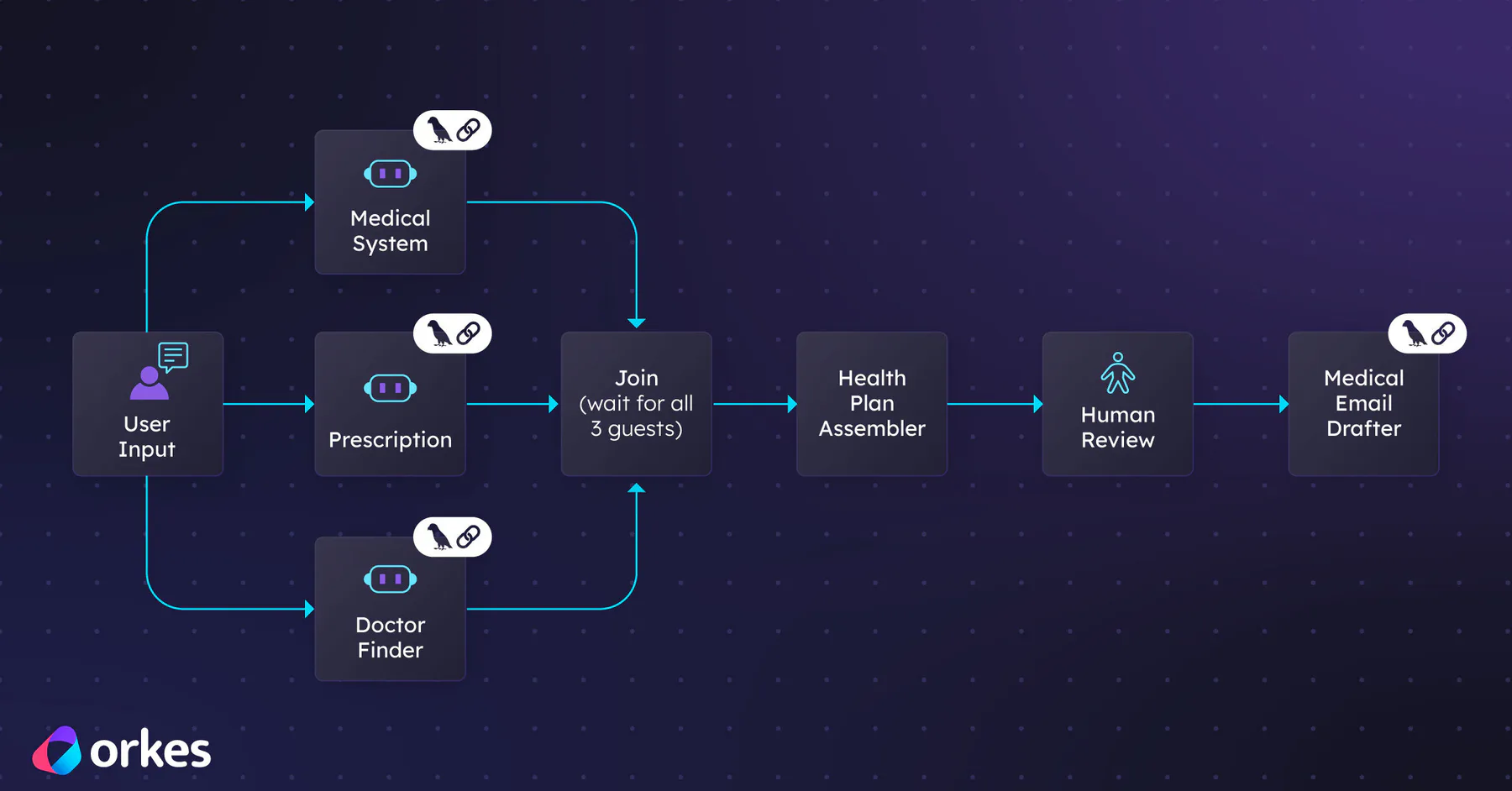
Technical Guide: Orchestrating Your LangChain Agents for Production with Orkes Conductor
Learn how to orchestrate LangChain agents for production using Orkes Conductor with retries, human approval, and full observability.
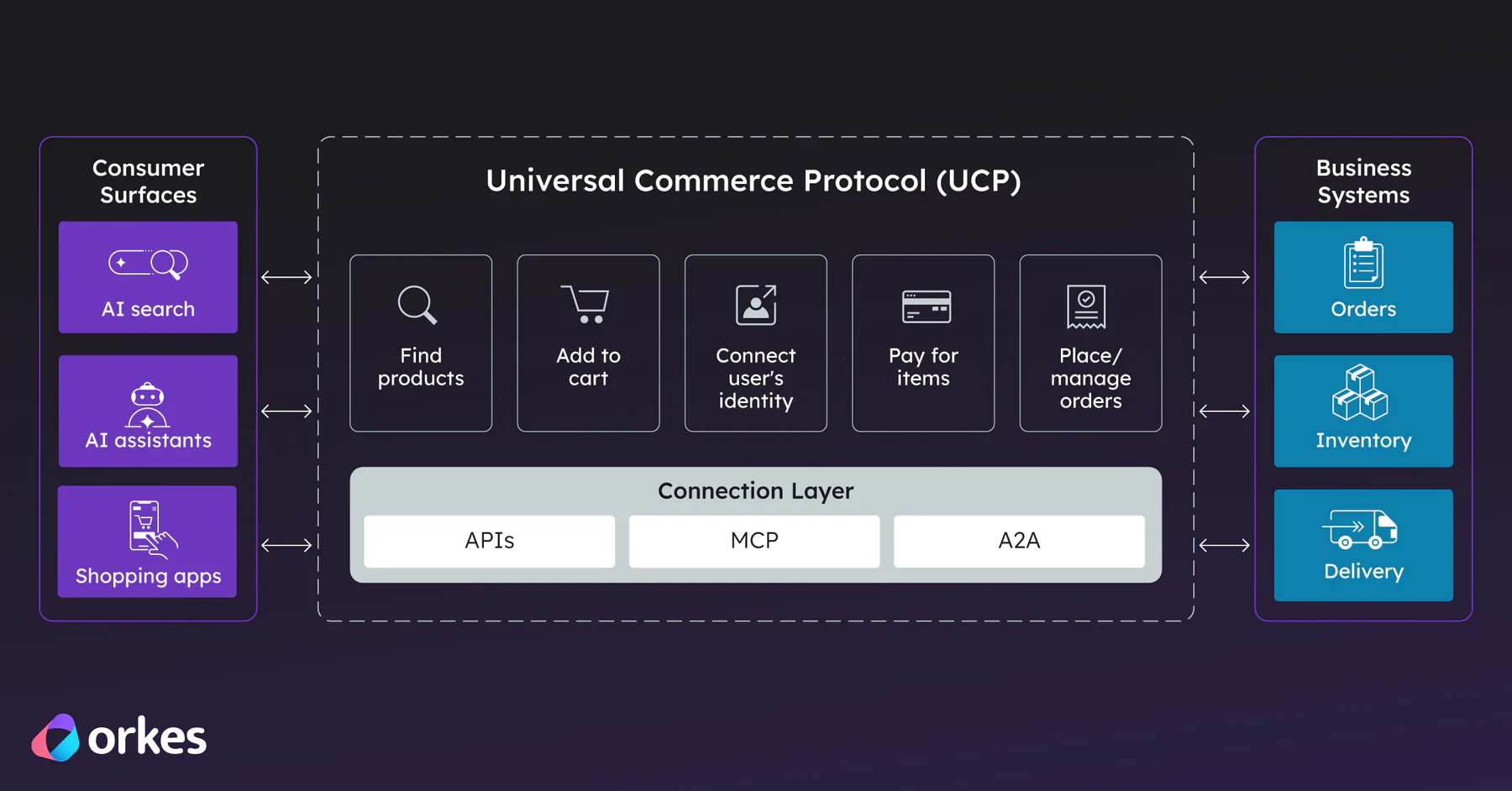
Universal Commerce Protocol (UCP) Explained: Beyond Google's Announcement
Universal Commerce Protocol (UCP) explained: what it is, how it works, and why it matters for the future of AI shopping.
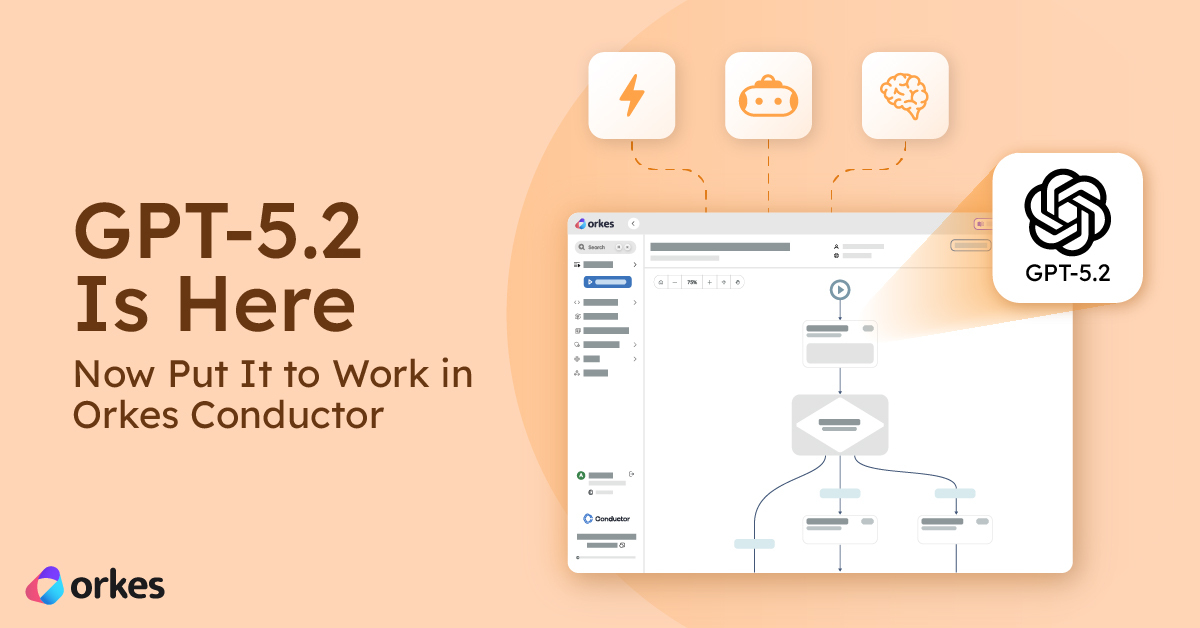
GPT-5.2 Is Here—Now Put It to Work in Orkes Conductor
GPT-5.2 just shipped. Here’s how to plug it into Orkes Conductor and start running real agentic workflows (with guardrails, observability, and the flexibility to switch models anytime).
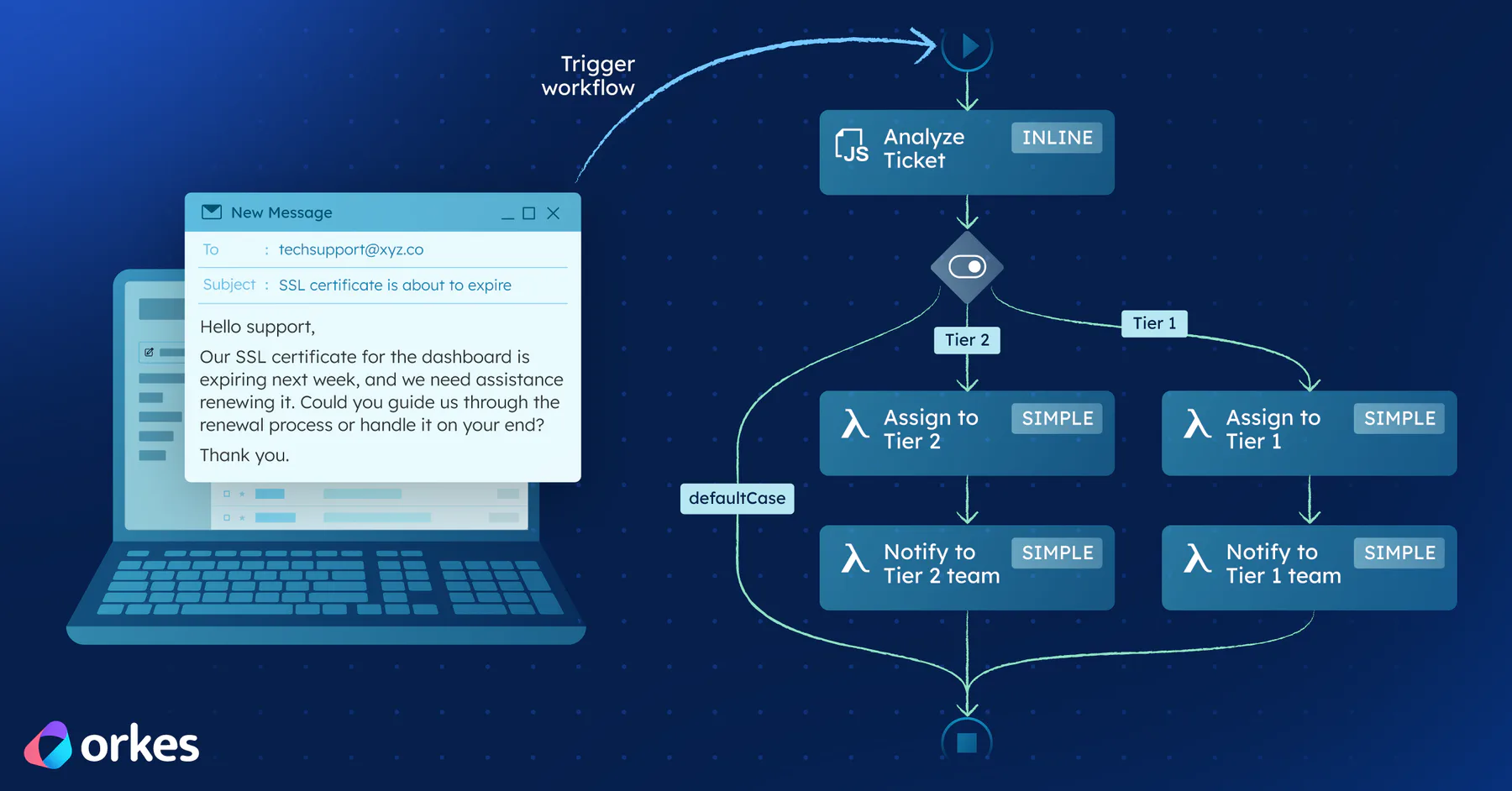
Build an Agentic Workflow: Automate a Technical Ticket Triage
Company X employees are frustrated juggling support tickets. Learn how an agentic workflow can auto-triage issues so engineers get back to building.
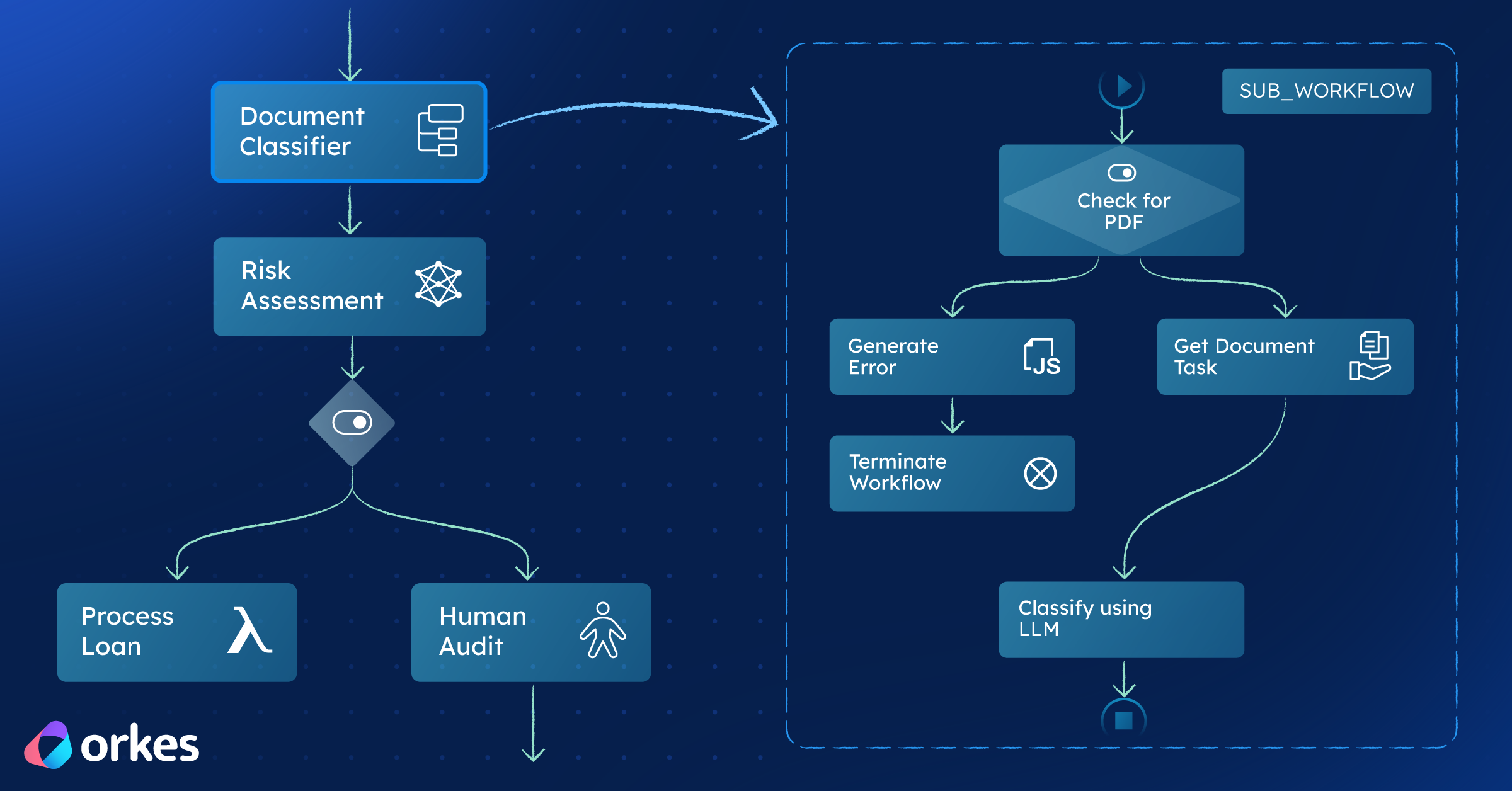
Build an AI-Powered Loan Risk Assessment Workflow (with Sub-Workflows + Human Review)
Step-by-step tutorial to build an AI-powered loan risk assessment workflow in Orkes Conductor using OCR, LLM scoring, sub-workflows, and human review.
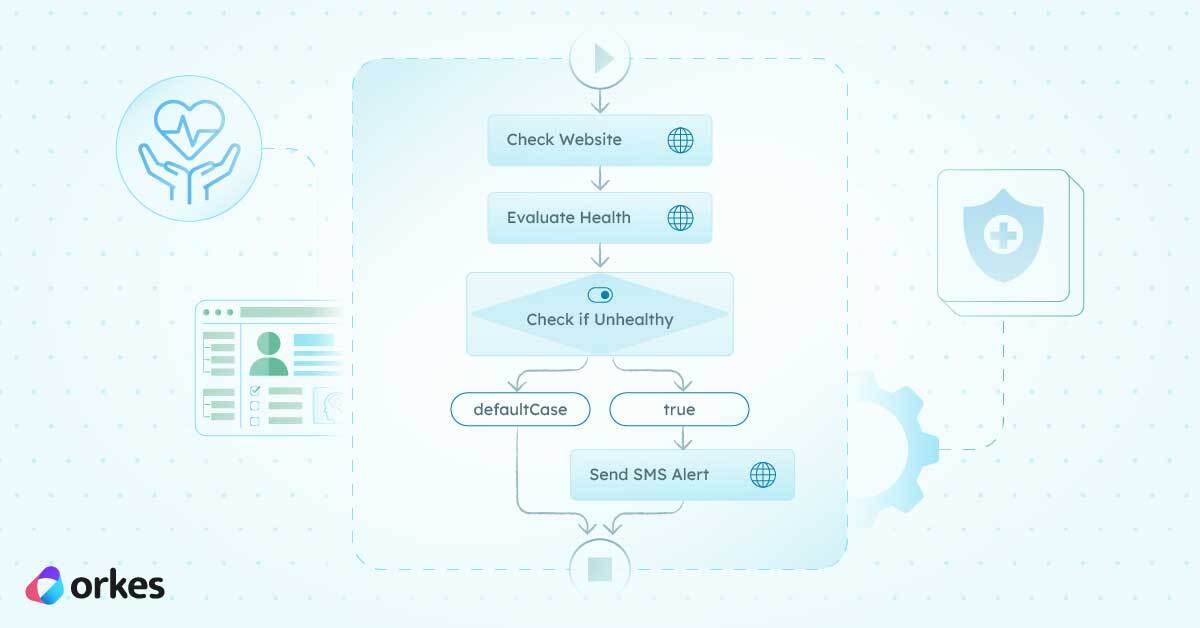
Enterprise Uptime Guardrails: Build a Website Health Checker Workflow (HTTP Checks + Inline Logic + SMS Alerts)
Step-by-step guide to building a Conductor workflow that monitors a website URL, evaluates health from HTTP status codes, and texts you via Twilio when it’s unhealthy.
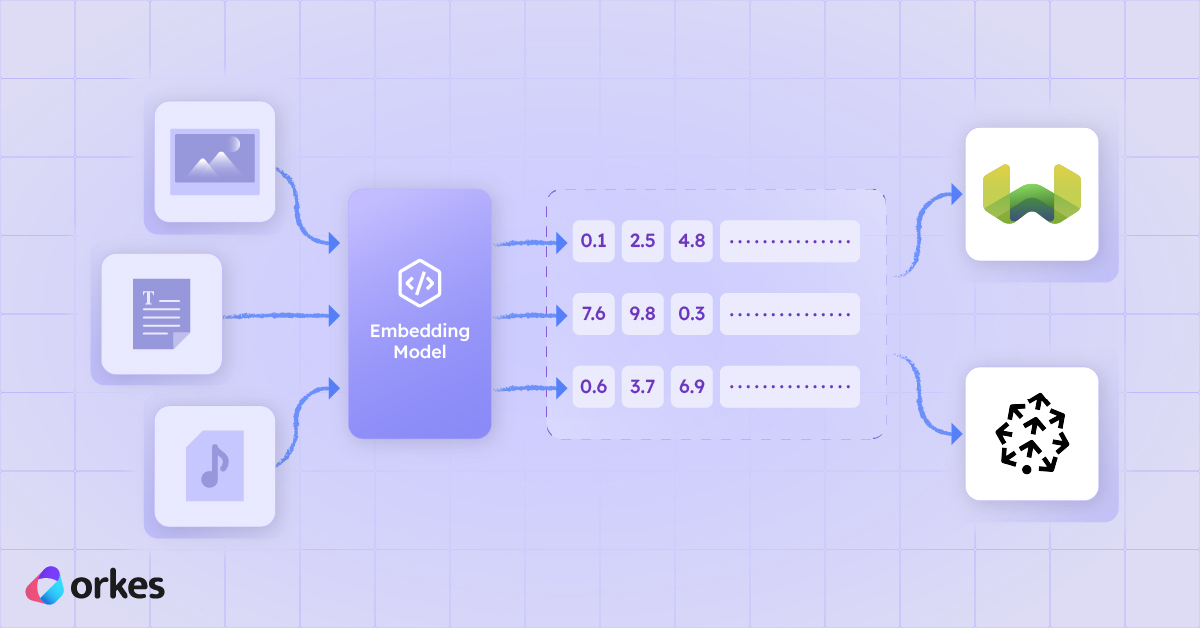
Vector Databases 101: A Simple Guide for Building AI Apps with Conductor
Vector databases explained simply and how Conductor makes working with them simple and straightforward by integrating with popular vector databases like Pinecone, Weaviate, and Postgres.
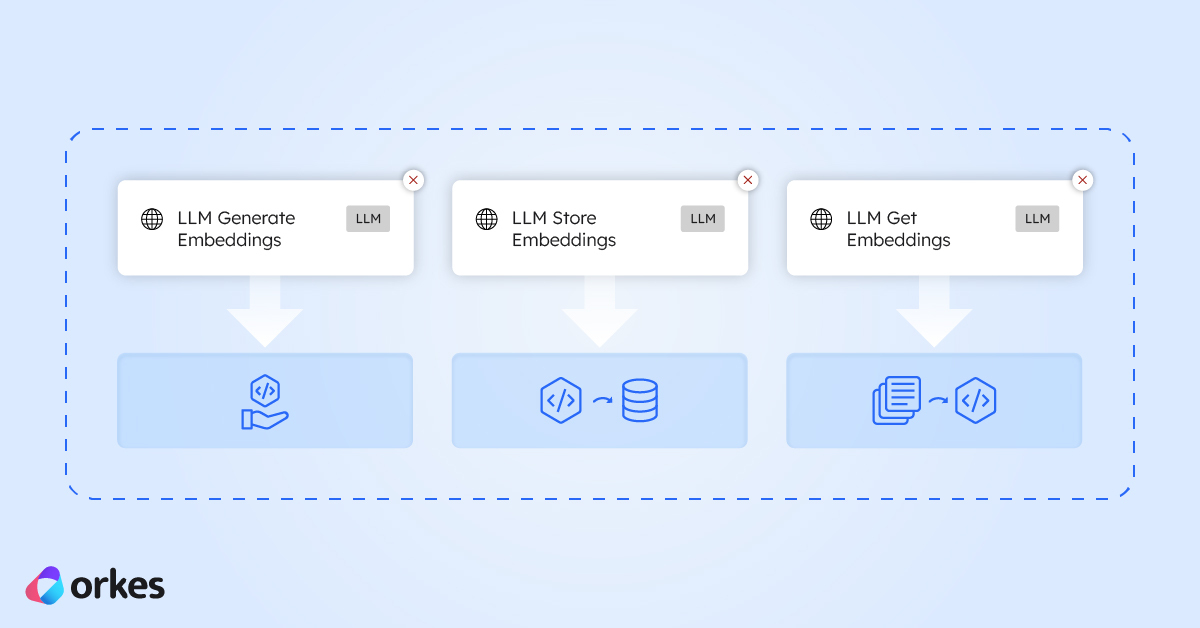
Orkes Conductor Embeddings Explained: The Tasks Behind Semantic Search & AI Workflows
Here’s a quick and easy rundown of how to use Orkes Conductor’s LLM embedding tasks to turn your text into vectors, store them in a database, and use them for things like semantic search, recommendations, and smarter routing in your workflows.
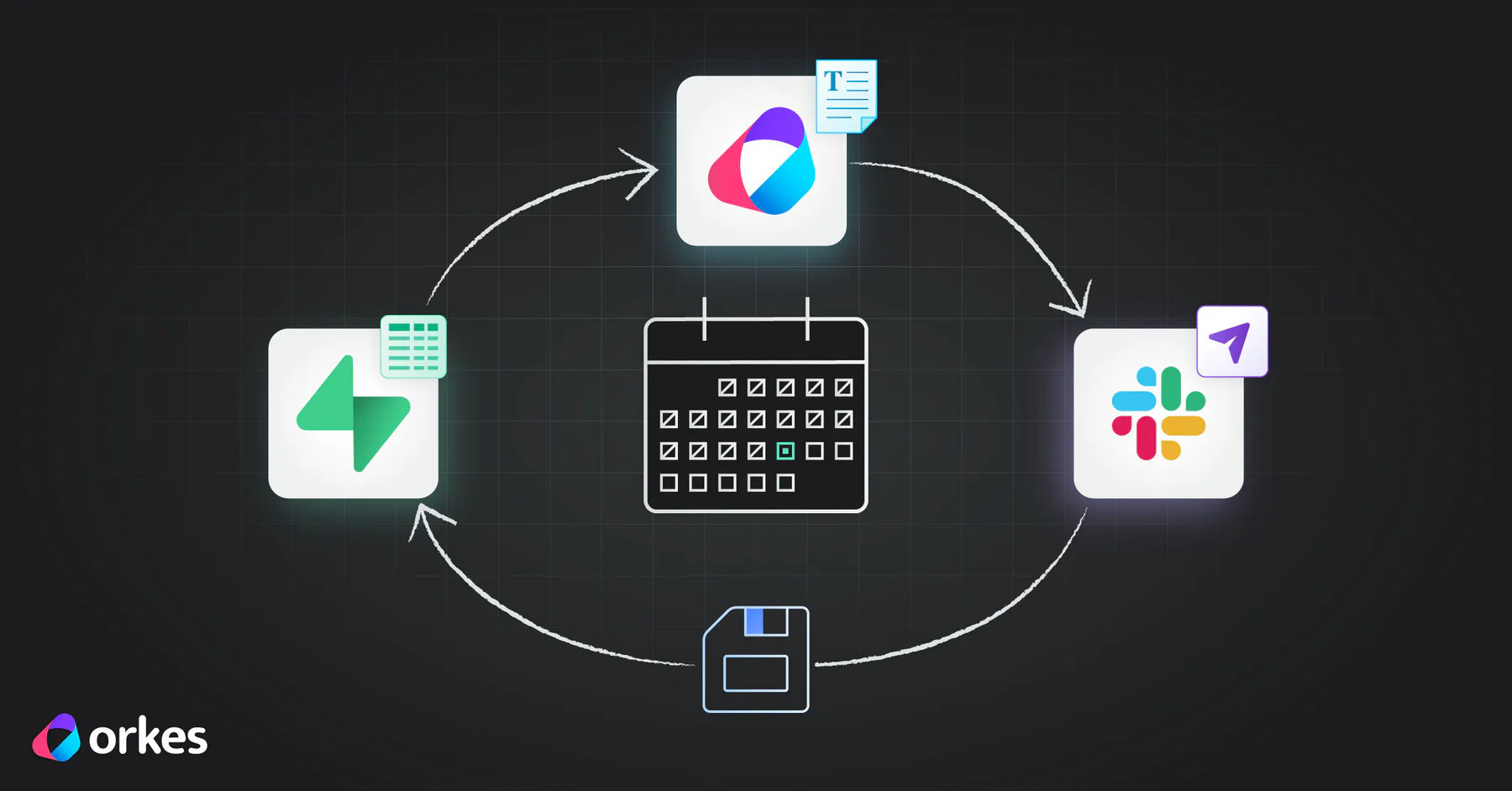
How to Orchestrate a Real Workflow Using Slack and Supabase (With Conductor Doing the Heavy Lifting)
If you've ever struggled to connect tools like Slack and Supabase into one smooth workflow, this guide shows how to orchestrate the whole process, with Conductor quietly managing the hard parts.
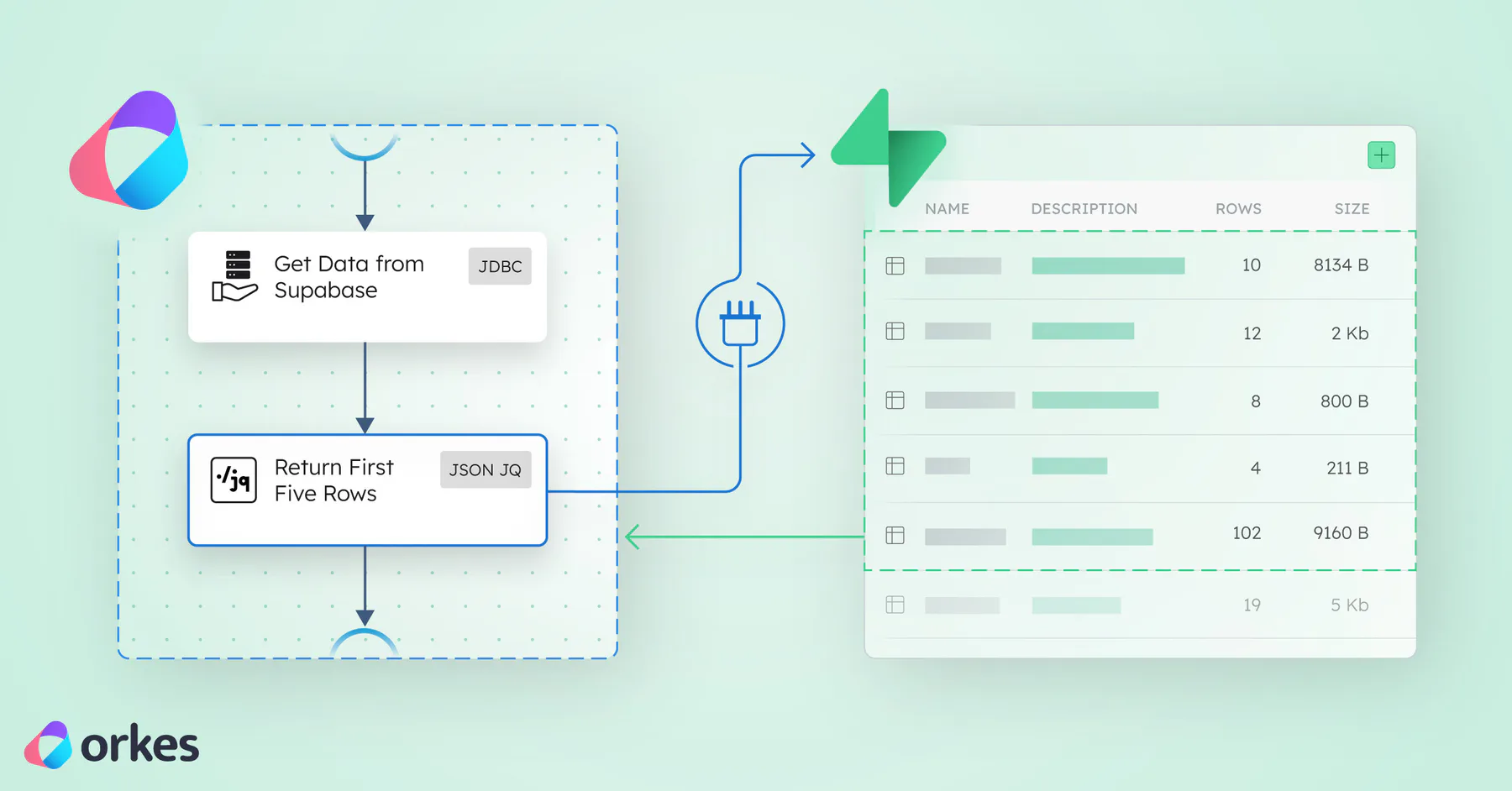
How to Connect Supabase to Orkes Conductor | Build the Integration Yourself
Learn how to manually connect your Supabase database to Orkes Conductor using a JDBC integration, SQL queries, and simple workflow tasks.
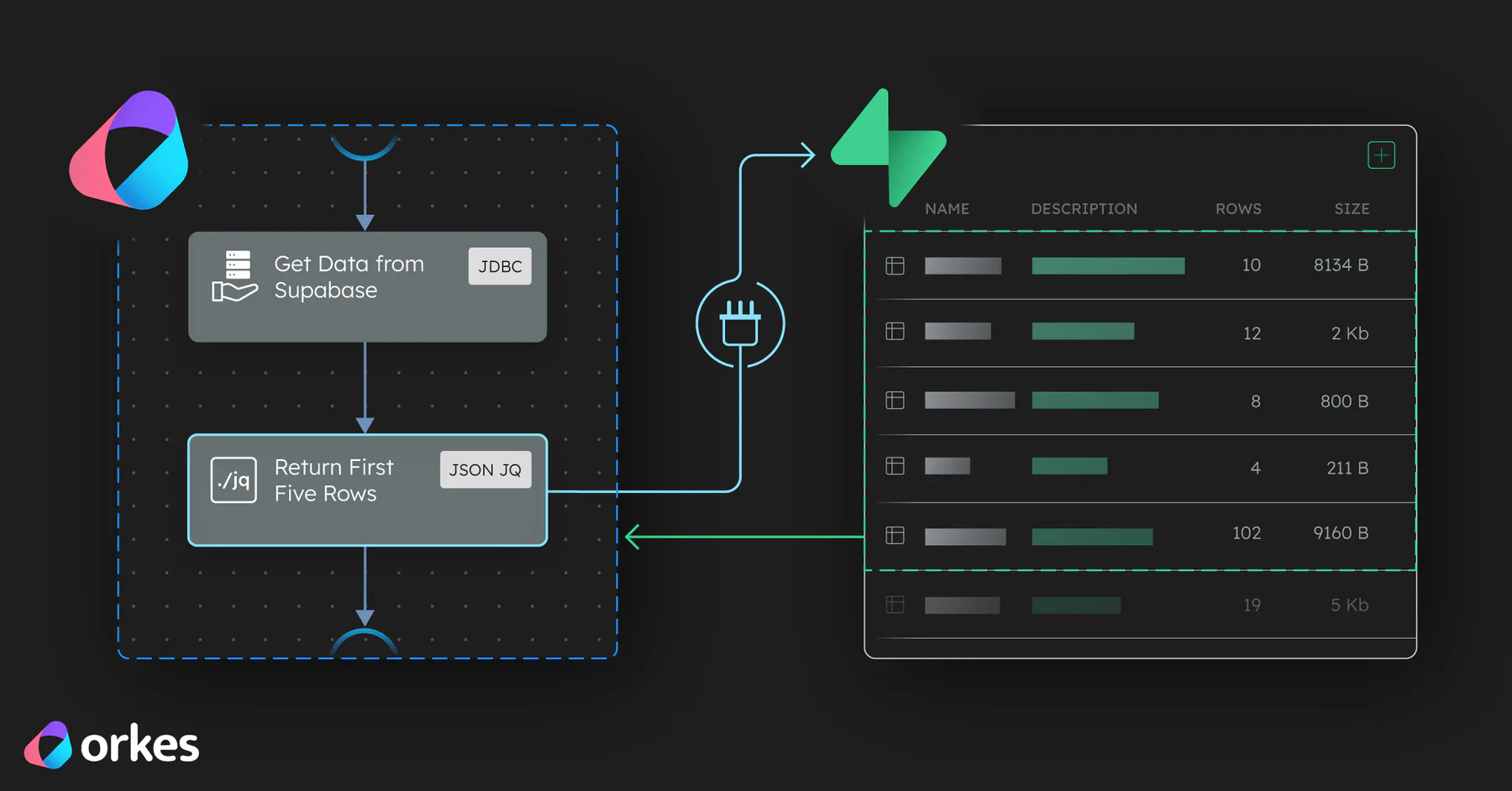
Connect Supabase and Orkes Conductor in a Couple of Minutes | No Code Needed
Instantly connect Supabase with Orkes Conductor using a ready-made template. Automate data workflows and trigger actions in just two tasks.
Discover how easy it is to build your own personalized AI agent! This hands-on guide walks you through the basics; then shows you how to create a fun, tool-using ghost chatbot to make it your own.
Learn the magic behind AI agents and build your own ghostly chatbot; complete with memory, reasoning, and an external tool.
RBAC: Protect Your Workflows from Unauthorized Access and Terrors
Learn what Role-Based Access Control (RBAC) is and how Orkes Conductor uses RBAC to secure workflows, prevent unauthorized access, and keep your automations safe.
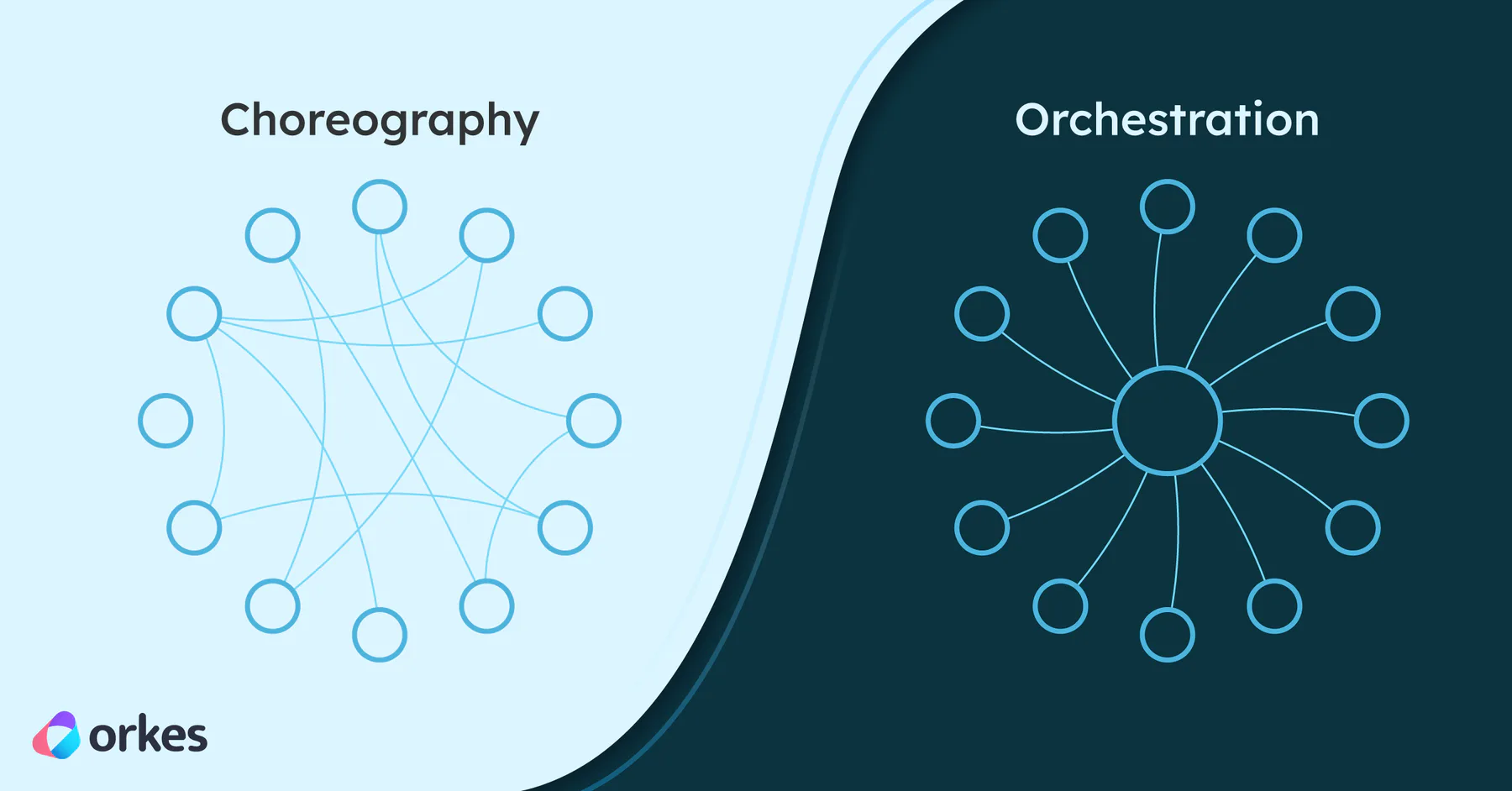
Time to Finally Understand Orchestration vs. Choreography
Orchestration and choreography are two strategies for managing communication between services. Orchestration gives clarity and control, while choreography offers adaptability and independence.
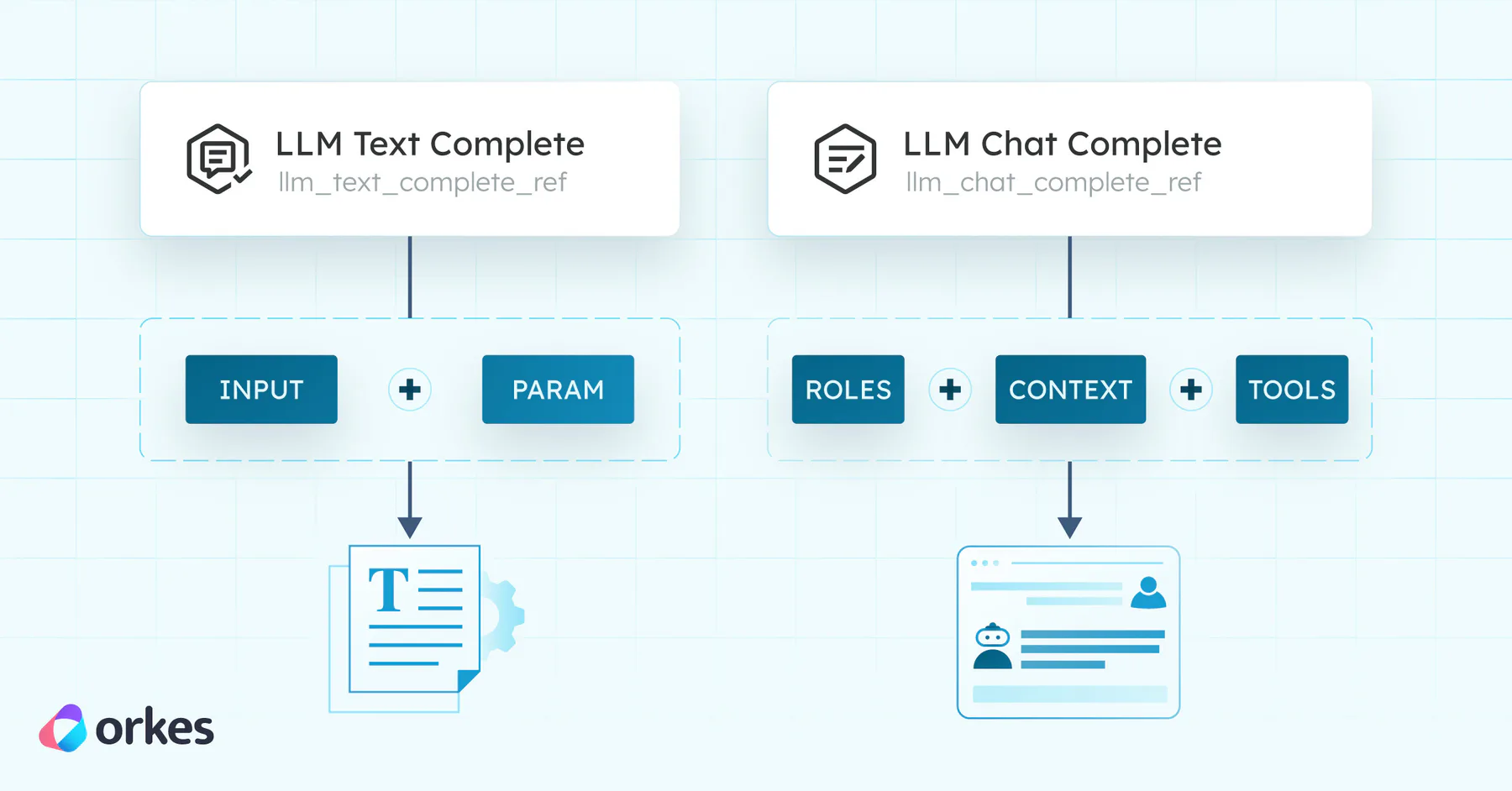
The Difference Between LLM Text Complete and LLM Chat Complete in Orkes Conductor
A quick breakdown between the two agentic tasks powering your Conductor workflows. What they are and when to use each.
Connecting Next.js Applications to Orkes Conductor Using the JS SDK
A quick and easy guide to connecting your NextJS app to your Orkes Conductor workflow. With code examples, as always.
The Secret to Stronger Agentic Workflows Is Breaking Prompts into Pieces
Breaking big prompts into smaller ones makes workflows clearer, faster, and stronger. Here’s how to do it with Orkes Conductor.
Our Second Year At Fintech_Devcon Was Amazing!
Recap of fintech_devcon 2025: intimate, inspiring, and filled with community, connection, and a few surprise highlights.
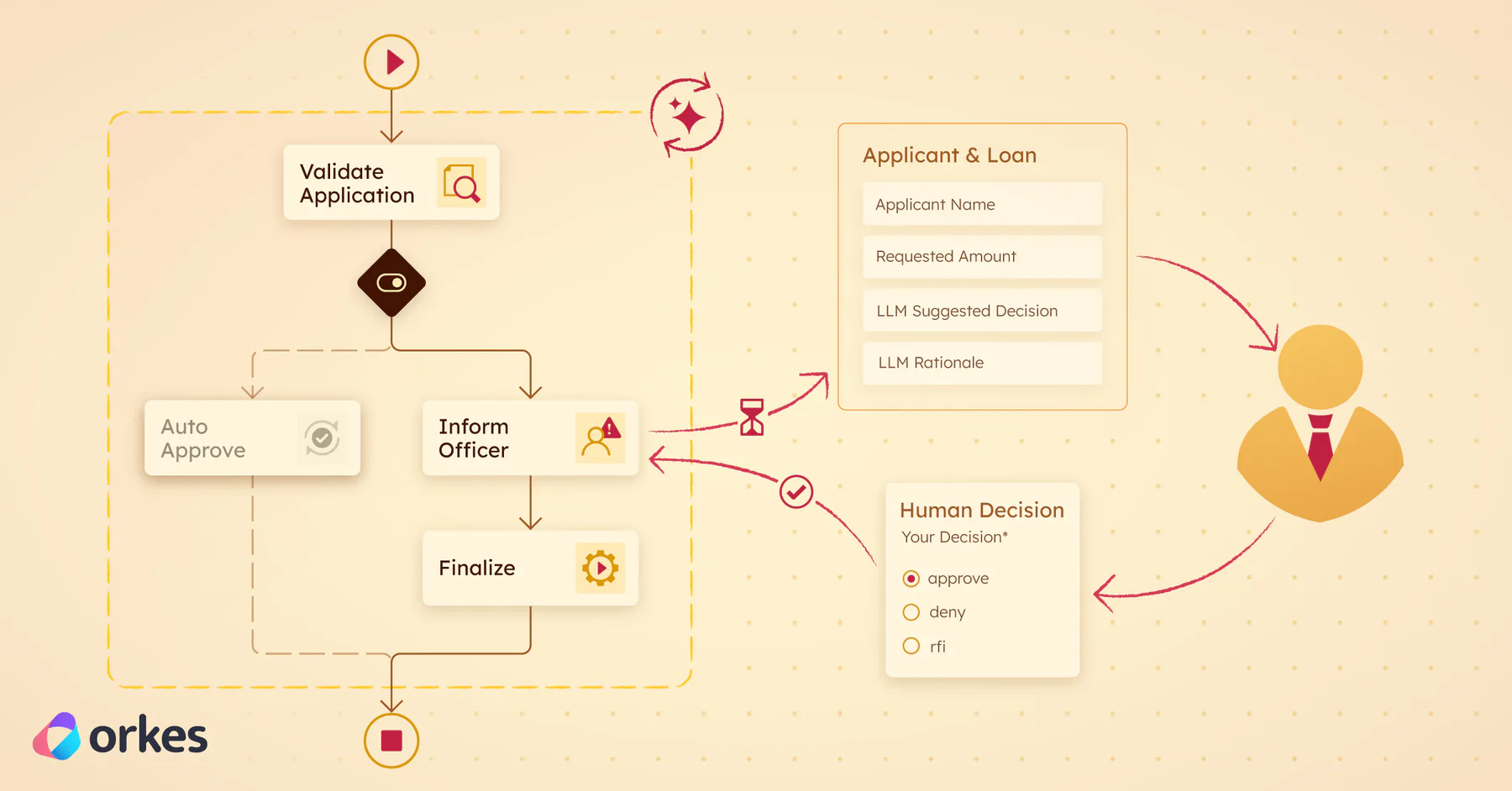
Human-in-the-Loop (HITL) in Agentic Workflows: From Definition to Walkthrough Demo and Use Cases
What exactly is a Human-in-the-Loop and why does it matter for agentic AI? And what happens when humans and AI make decisions together in real time?
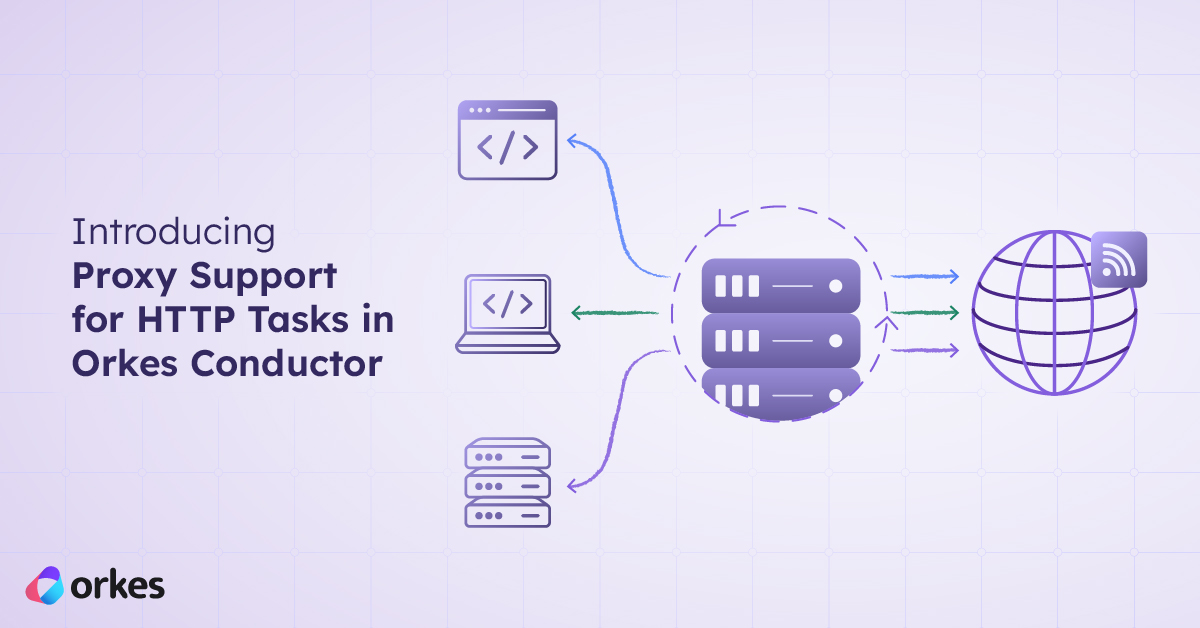
Introducing Proxy Support for HTTP Tasks in Orkes Conductor
Securely integrate Orkes Conductor into enterprise environments with Proxy Support for HTTP and HTTP Poll tasks.
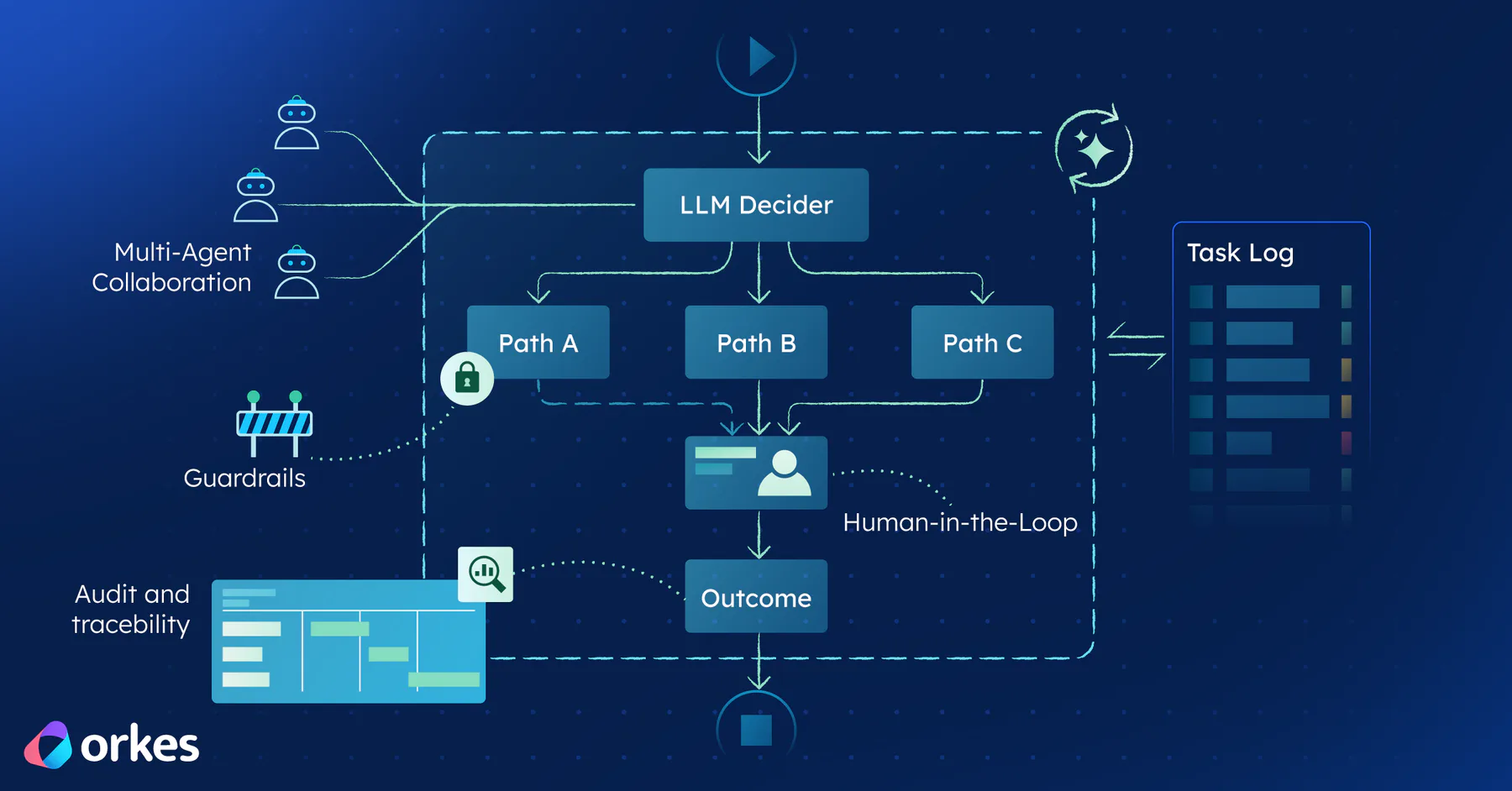
Why You Can’t Scale Agentic Workflows Without Orchestration and How Conductor Delivers
A concise playbook for running agentic workflows in production: guardrails, checkpoints, and the Conductor features that eliminate common performance bottlenecks.
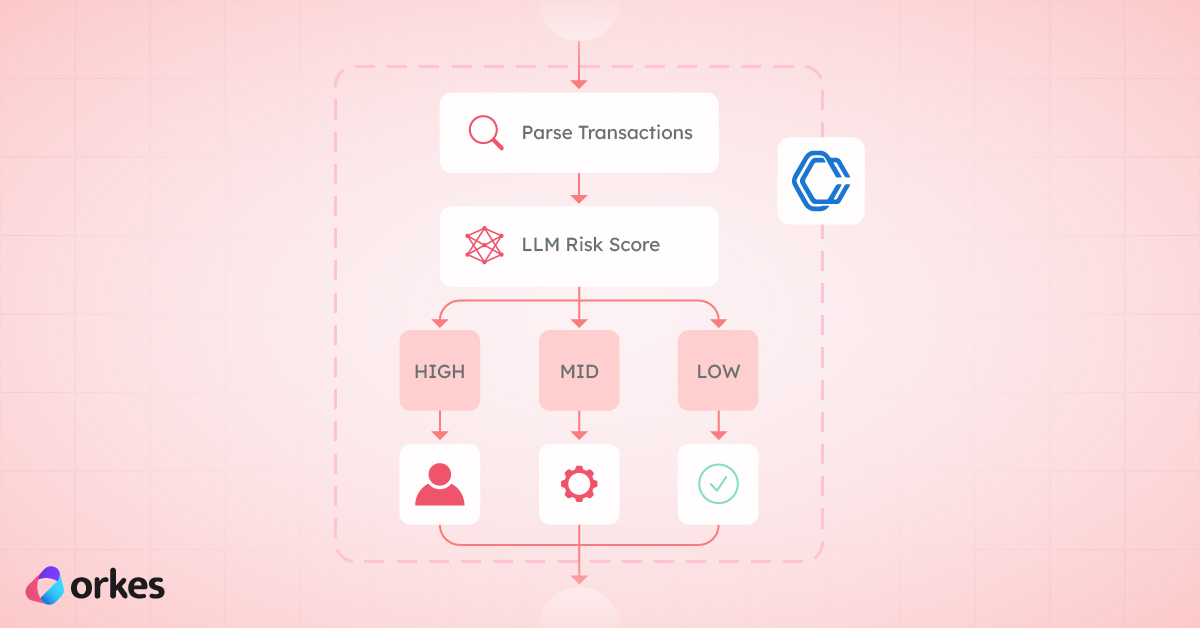
How to Build a Simple, Modular, and AI-Powered Fraud Detection Workflow
Fraud doesn’t wait. Neither should your defenses.
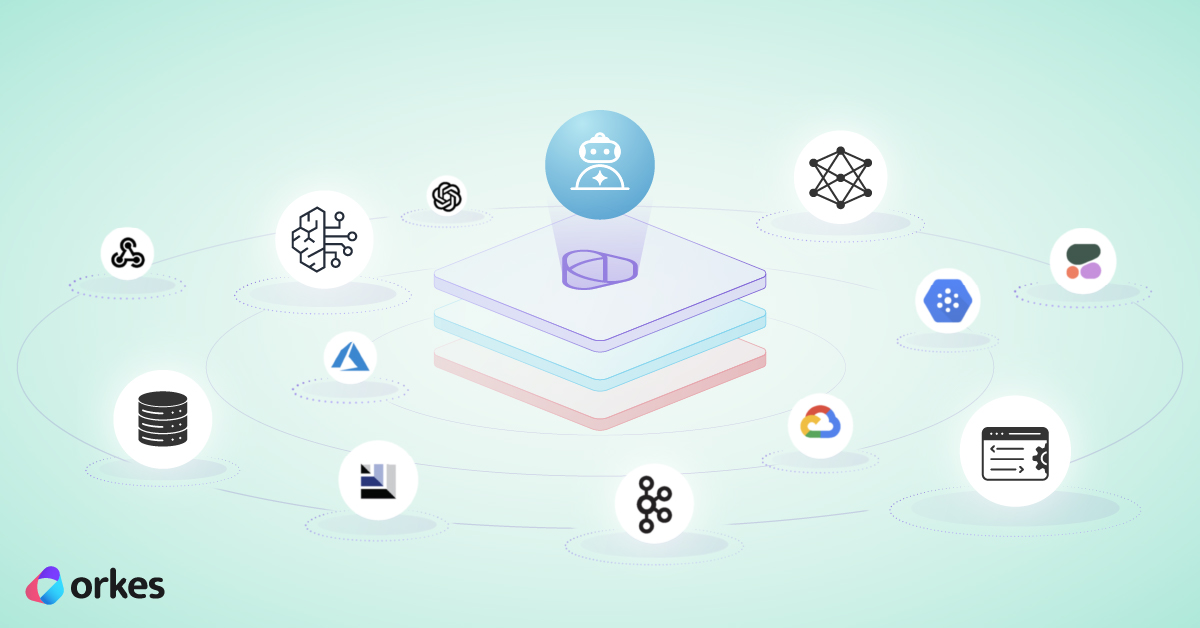
Why Orchestration is Key for Unlocking Agentic AI
Orchestration coordinates services, agents, and humans into automated flows, reducing fragmentation, tech debt, and operational inefficiencies.
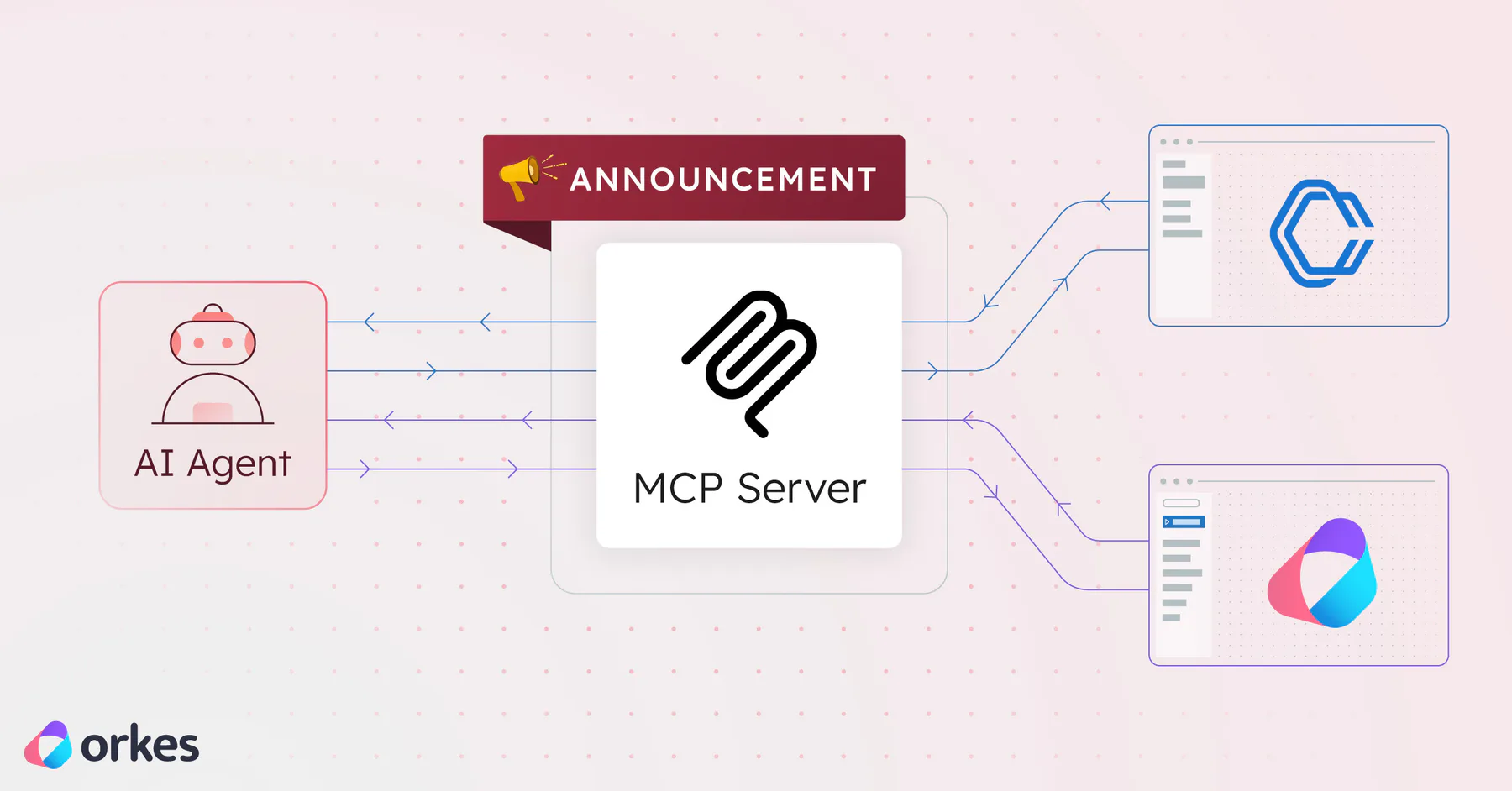
Announcing the Conductor Model Context Protocol (MCP) Server
Announcing the Conductor MCP Server — a lightweight API layer that gives AI agents real-time control over Conductor workflows.
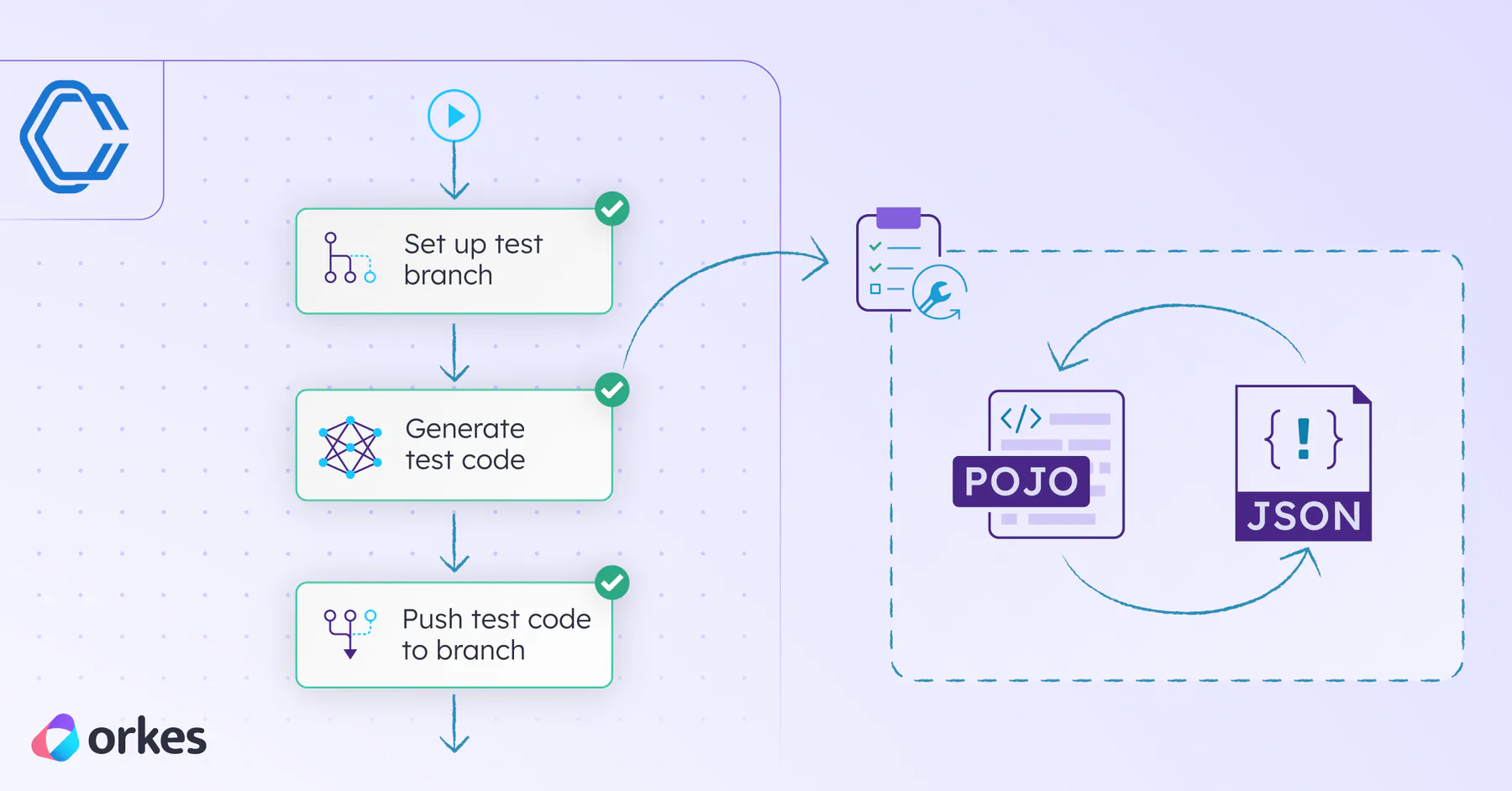
Automating Serialization/Deserialization Tests with Orkes Conductor and LLMs
SerDe tests ensure that data objects are correctly converted for interoperability. Learn how to automate test code creation using orchestration and AI.

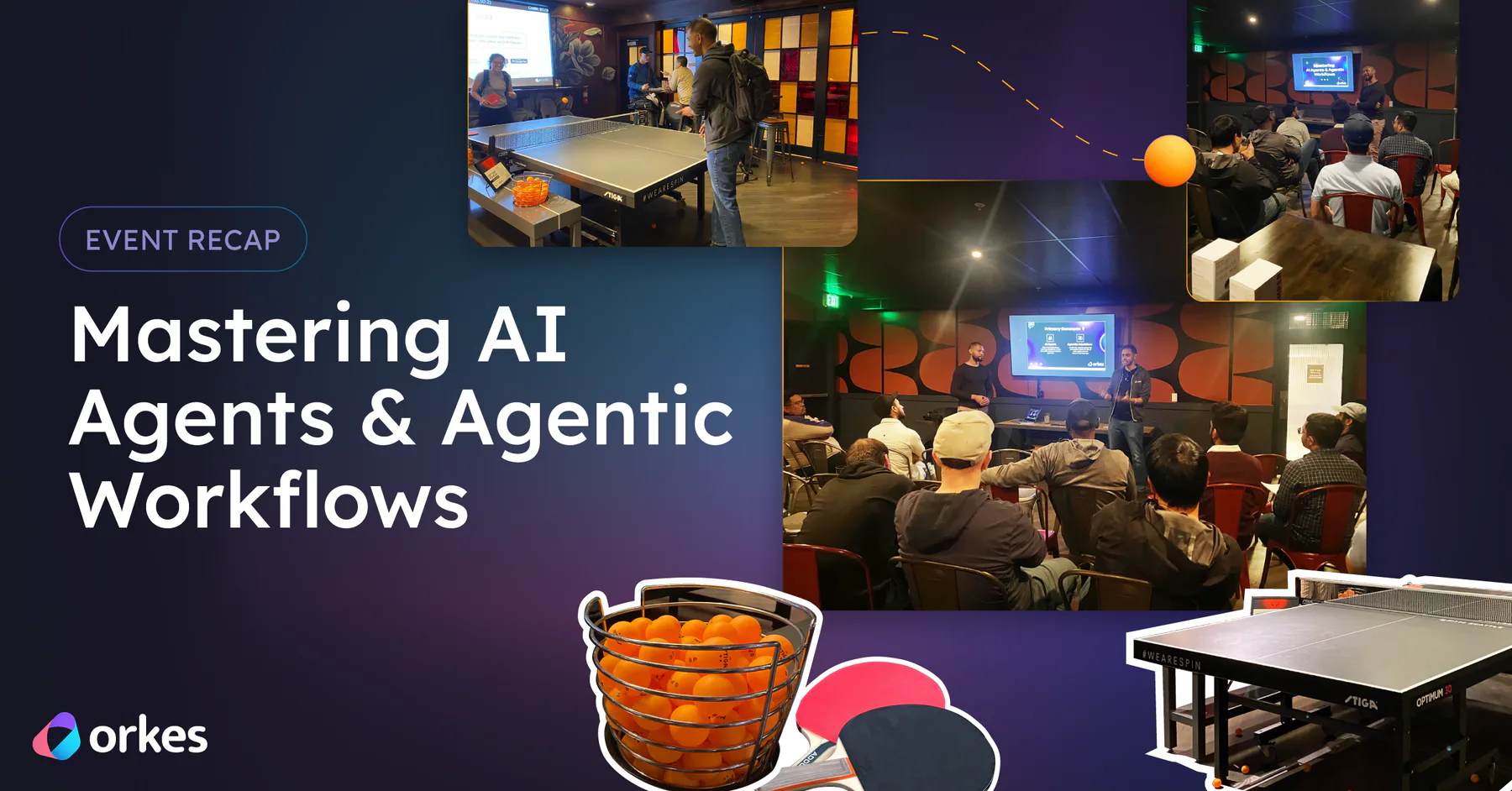
Everything You Missed from Orkes’ Seattle Developer Meetup 2025 and What’s Coming Next
A packed night of Mastering AI Agents and Agentic Workflows at SPIN Seattle. Top takeaways, fun moments, and a glimpse at what’s ahead with Orkes Conductor.
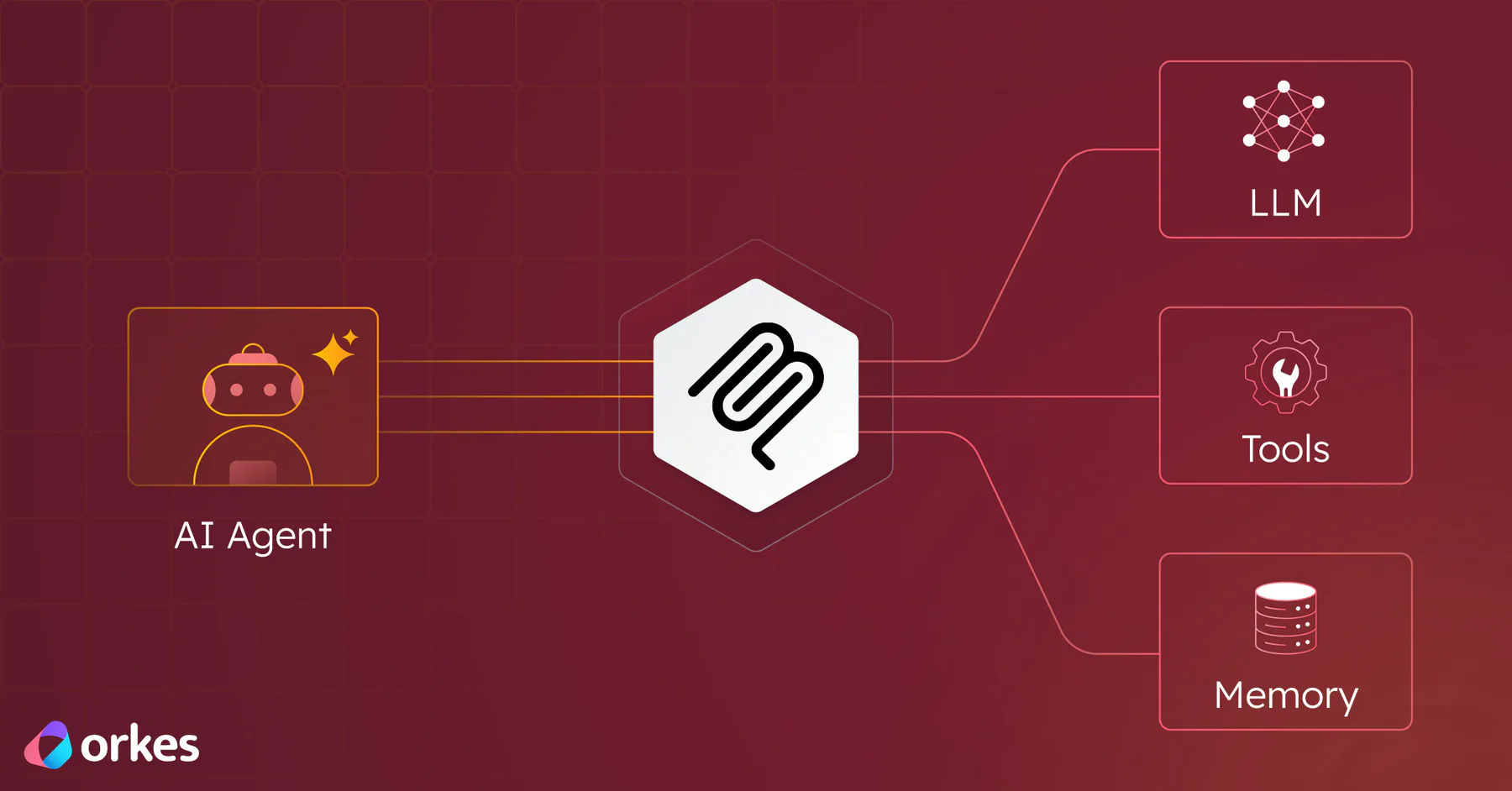
What is Model Context Protocol (MCP)?
What is Model Context Protocol (MCP)? Learn how MCP simplifies AI integration by enabling seamless connections between agents and third-party tools

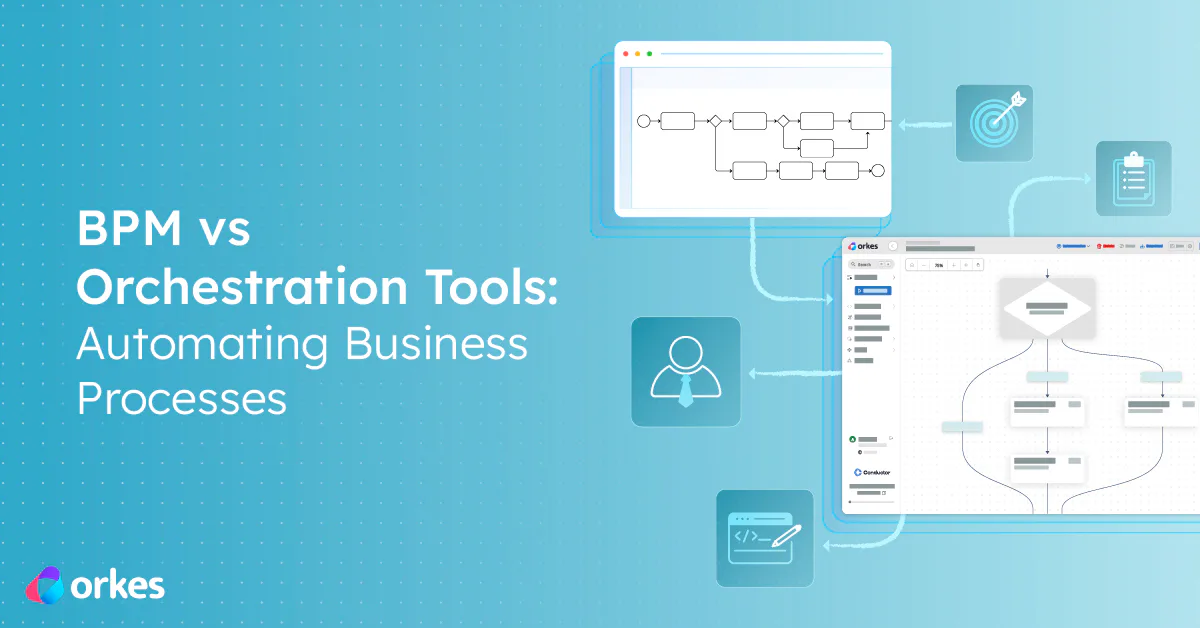
BPM vs Orchestration Tools: Automating Business Processes
Discover more about orchestration, a powerful alternative to BPM tools for designing and automating business processes at scale.
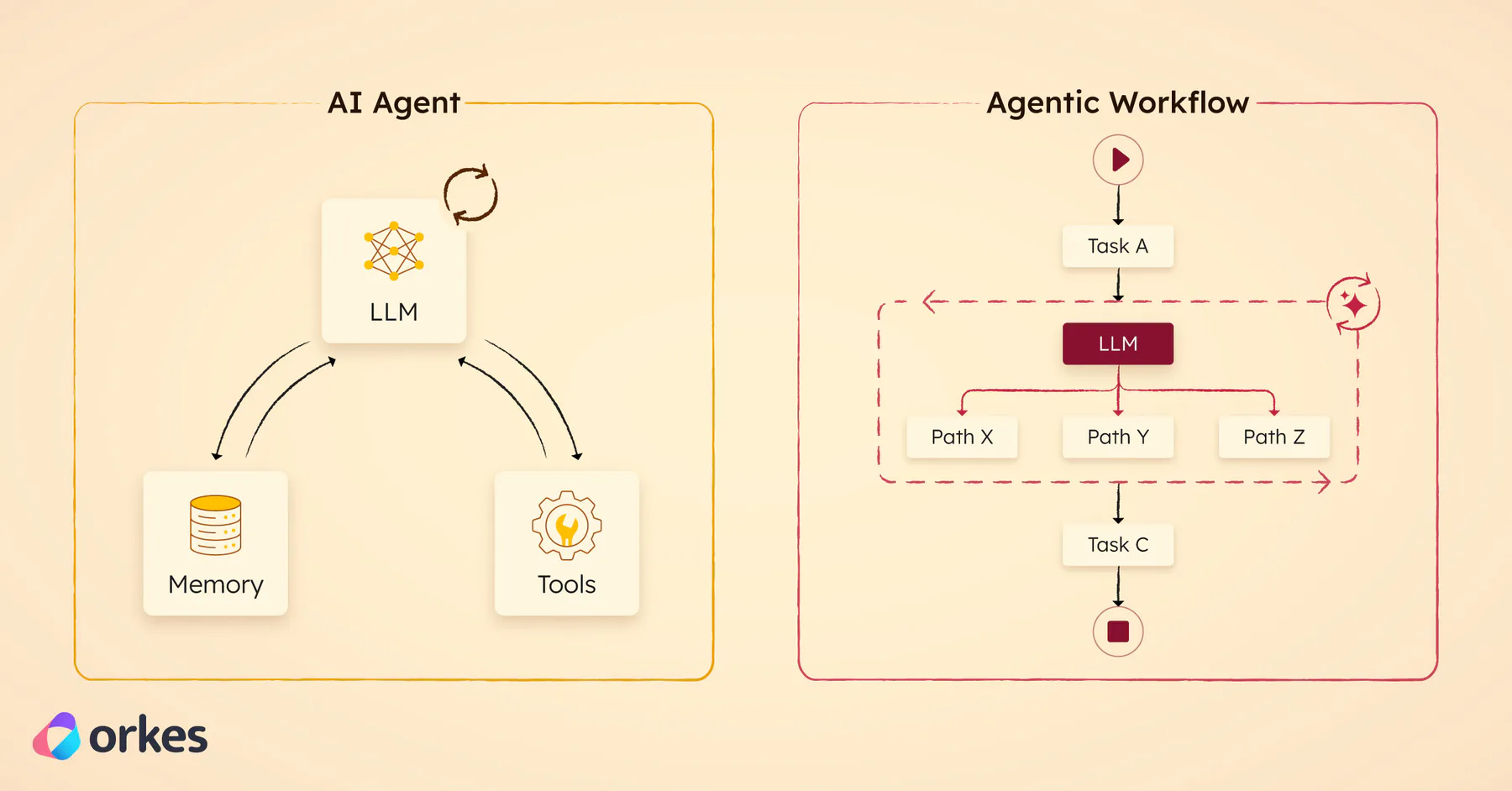
Agentic AI Explained: Workflows vs Agents
Agentic AI systems can be implemented as agents or as workflows. Learn how they are different and which strategy to use.
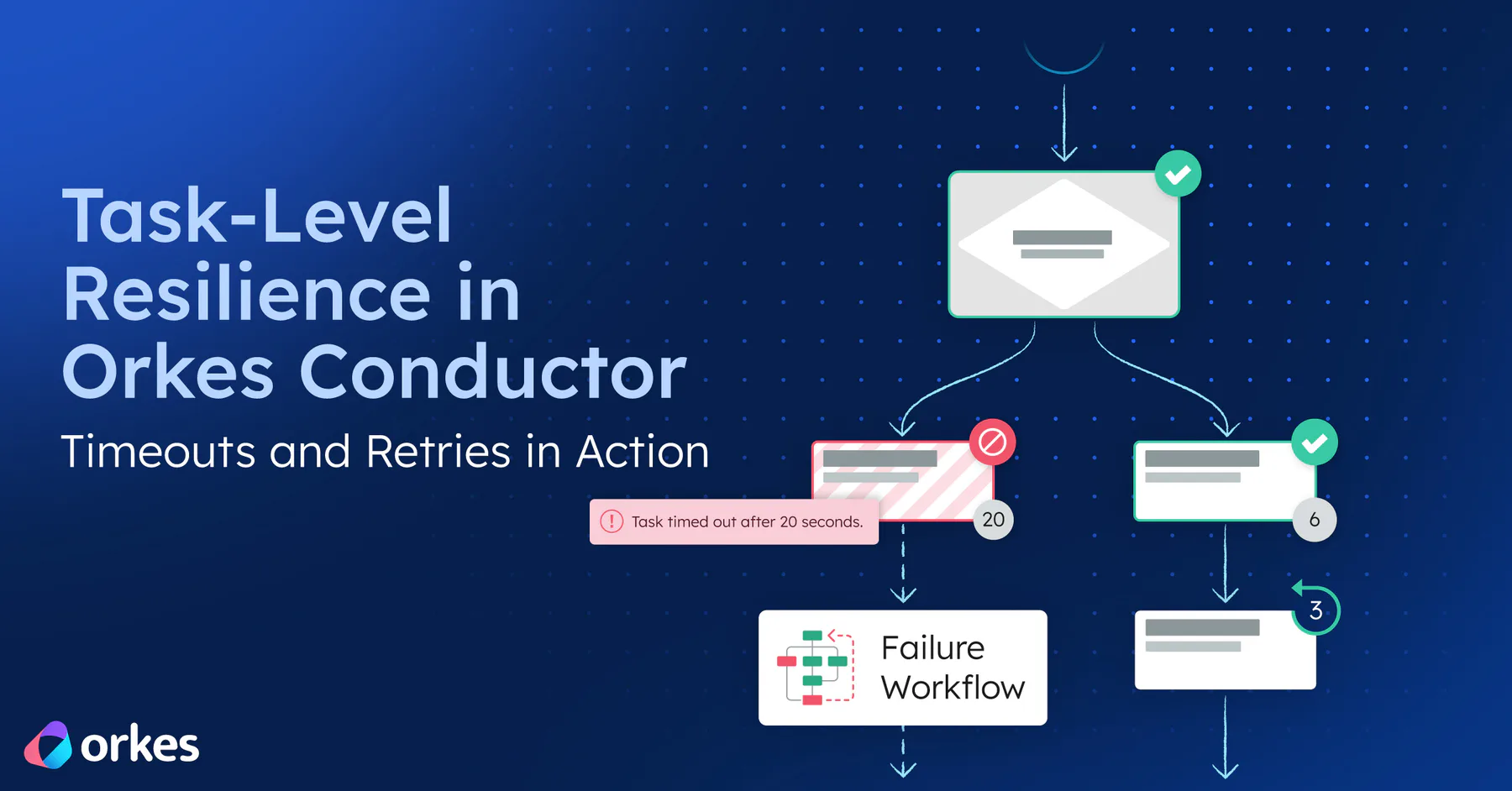
Task-Level Resilience in Orkes Conductor: Timeouts and Retries in Action
Learn how to use task retries, timeouts, and system-level safeguards in Orkes Conductor to build resilient, fault-tolerant workflows.

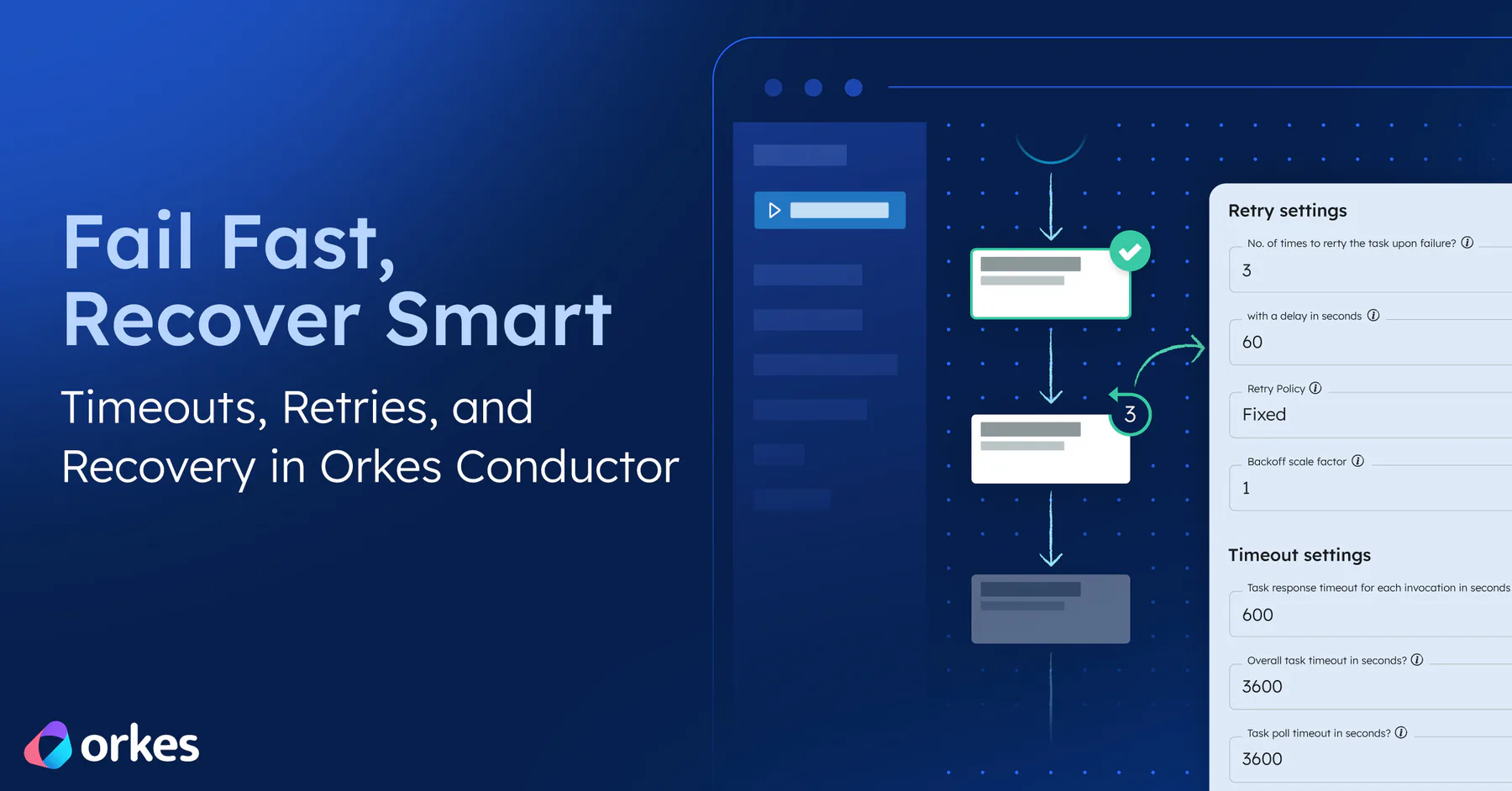
Fail Fast, Recover Smart: Timeouts, Retries, and Recovery in Orkes Conductor
Learn how to use timeouts, retries, and failure workflows in Orkes Conductor to build resilient, self-healing distributed systems.
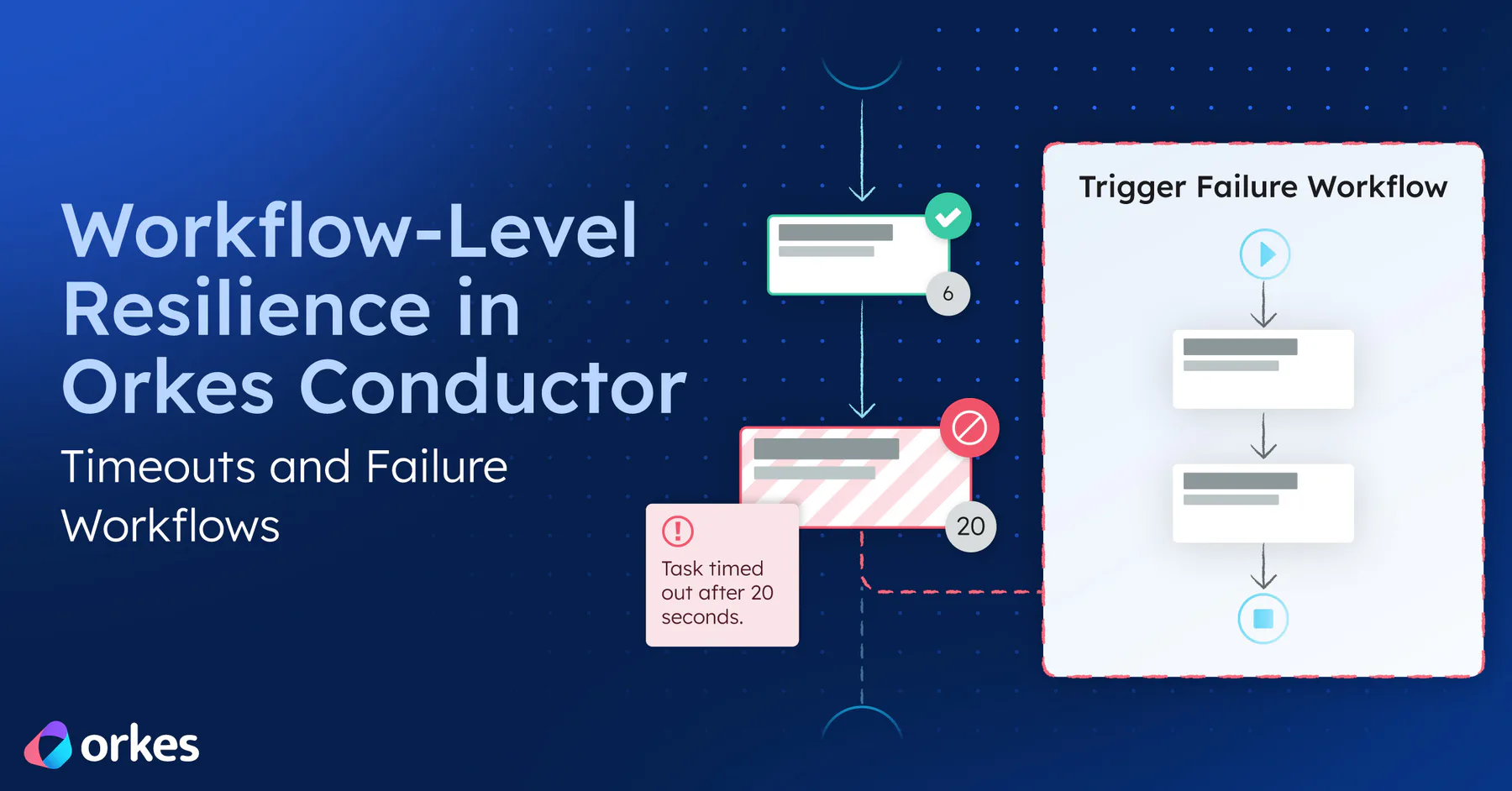
Workflow-Level Resilience in Orkes Conductor: Timeouts and Failure Workflows
Learn how to use workflow timeouts and failure workflows in Orkes Conductor to build resilient, SLA-compliant orchestrations that recover gracefully from failure.
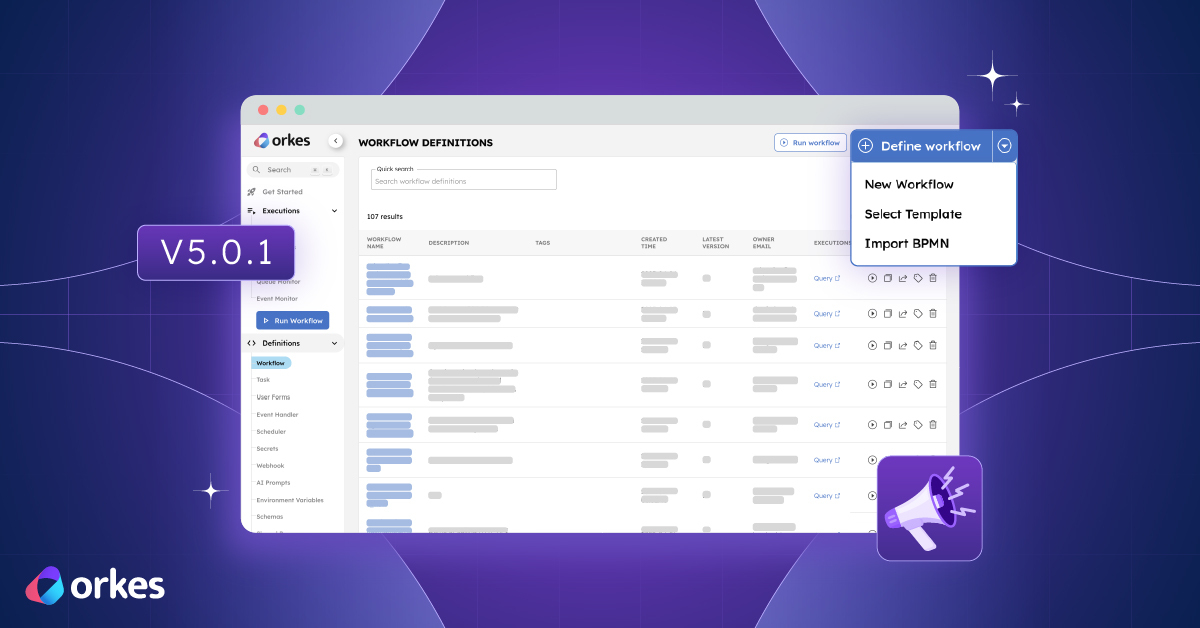
Legacy BPMN to Modern Workflows: Introducing BPMN Importer in Orkes Conductor
Instantly convert legacy BPMN files into modern workflows with the new BPMN Importer in Orkes Conductor. No code, no rewrites—just fast, accurate orchestration.
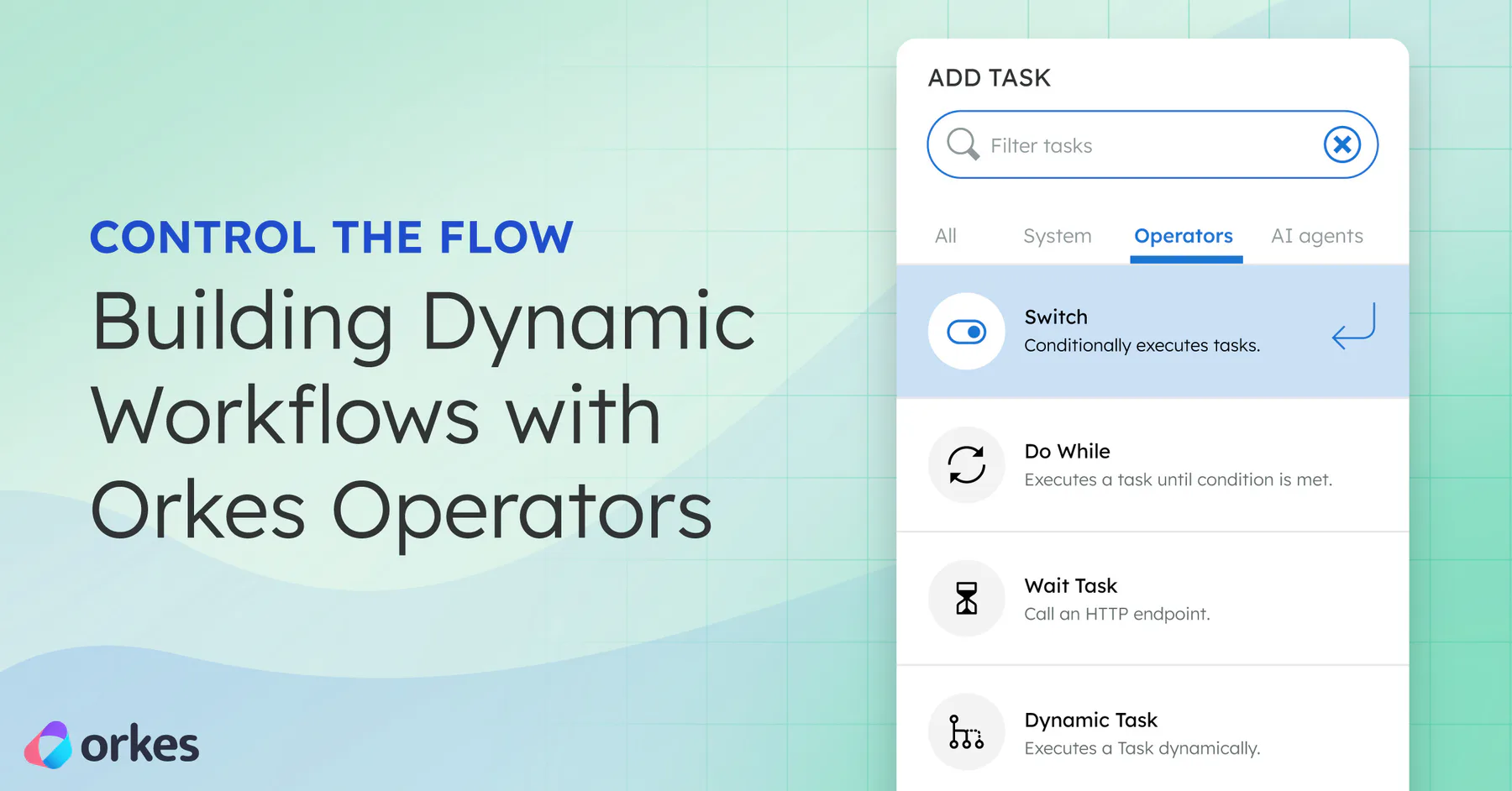
Control the Flow: Building Dynamic Workflows with Orkes Operators
Learn the importance of using control flow operators to declaratively build dynamic, responsive workflows without plumbing code.
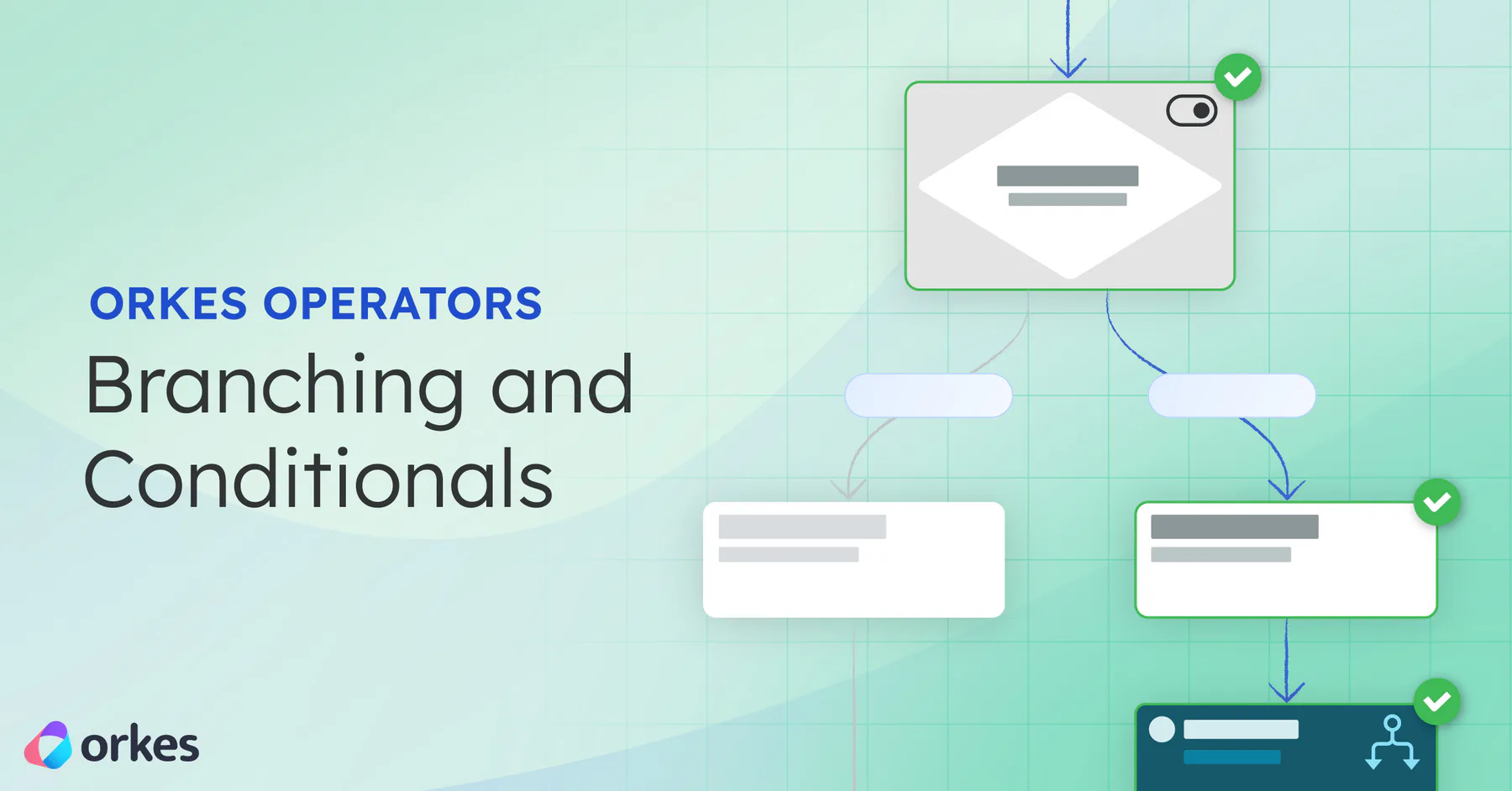
Orkes Operators: Branching and Conditionals
Master branching and conditional flows in Orkes Conductor workflows using operators.
Orkes Operators: Loops, Waits, and Human-in-the-Loop
Add loops, waits, and human approvals to Orkes Conductor workflows with simple, structured operators.
Orkes Operators: Parallelism and Reusability
Discover how to scale workflows in Orkes Conductor with Fork/Join, Dynamic Fork, SubWorkflow, and StartWorkflow operators for parallelism and reusability.
Automating Insurance Claims Processing with AI and Conductor
Solve manual claims processing inefficiencies with AI automation and orchestration. Get an in-depth technical breakdown for building with Conductor.

Building an Agentic Workflow: Orchestrating a Multi-Step Software Engineering Interview
Learn how to build a fully automated technical interview workflow using Orkes Conductor. This step-by-step guide walks you through orchestrating LLM-powered interviews—from candidate input to feedback delivery.

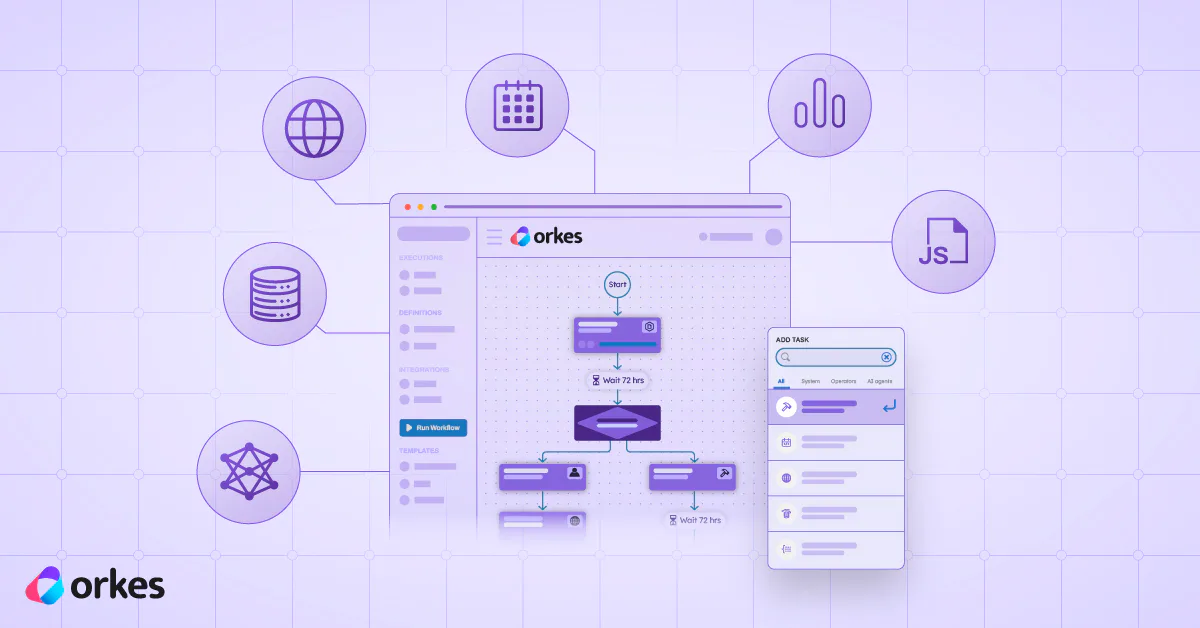
Implementing Easy-to-Build Workflows with Conductor’s System Tasks
Learn how to use built-in system tasks in Orkes Conductor for real-life use cases.
Unlocking Developer Productivity: Orchestrate Workflows with Built-in System Tasks
Use built-in system tasks to accelerate development time, enable low-latency execution, and ensure enterprise-grade availability in Conductor.
Building Agentic Workflows with Conductor: Implementation Guide
Use agentic workflows to add AI-driven dynamism in a governable and traceable manner. Try it with Orkes Conductor.

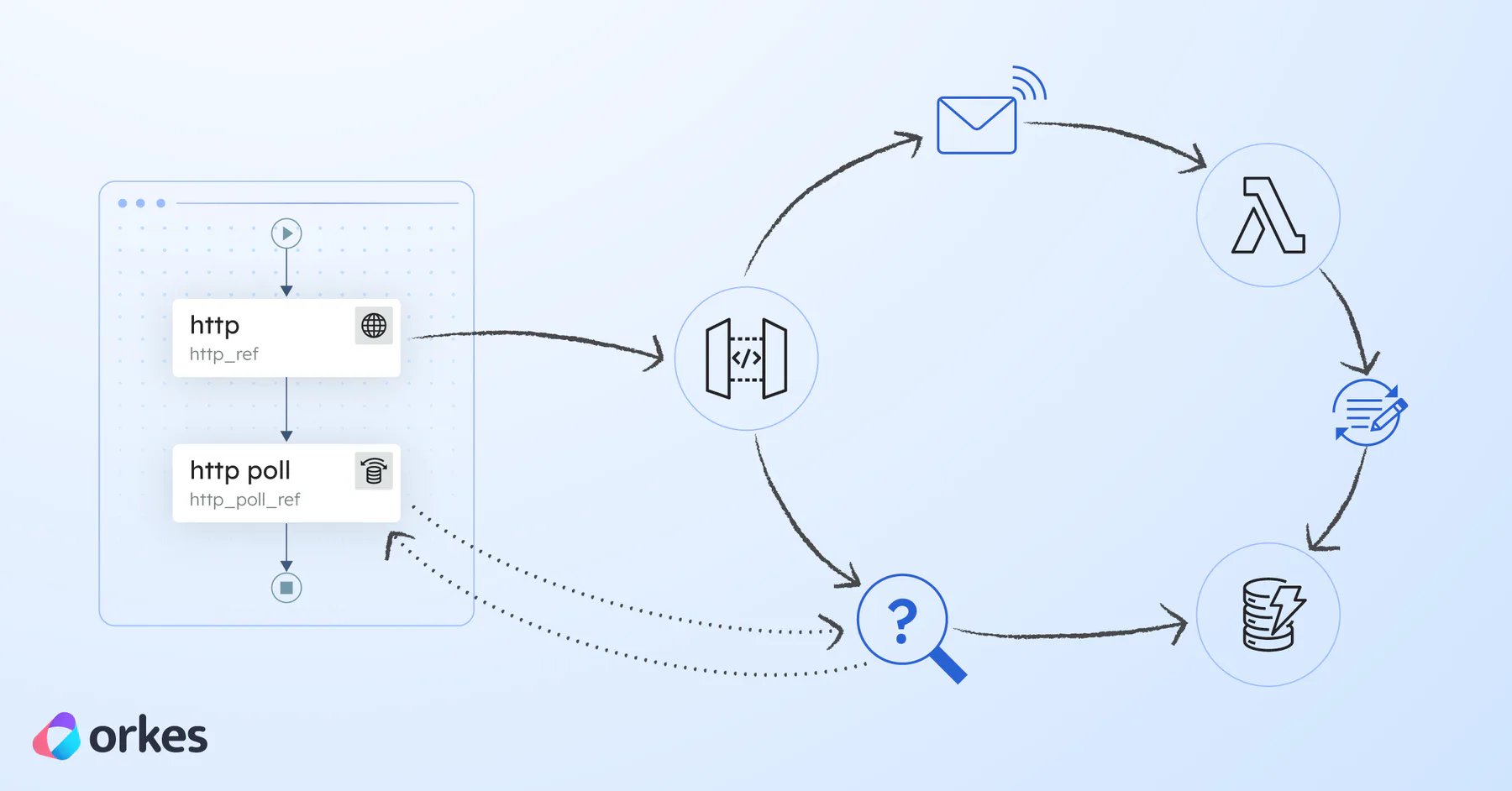
Orchestrating Long-Running APIs | A Step-by-Step Guide to Asynchronous Execution
Learn how to orchestrate long-running APIs using Orkes Conductor, AWS Lambda, API Gateway, and DynamoDB with asynchronous invocation and polling.
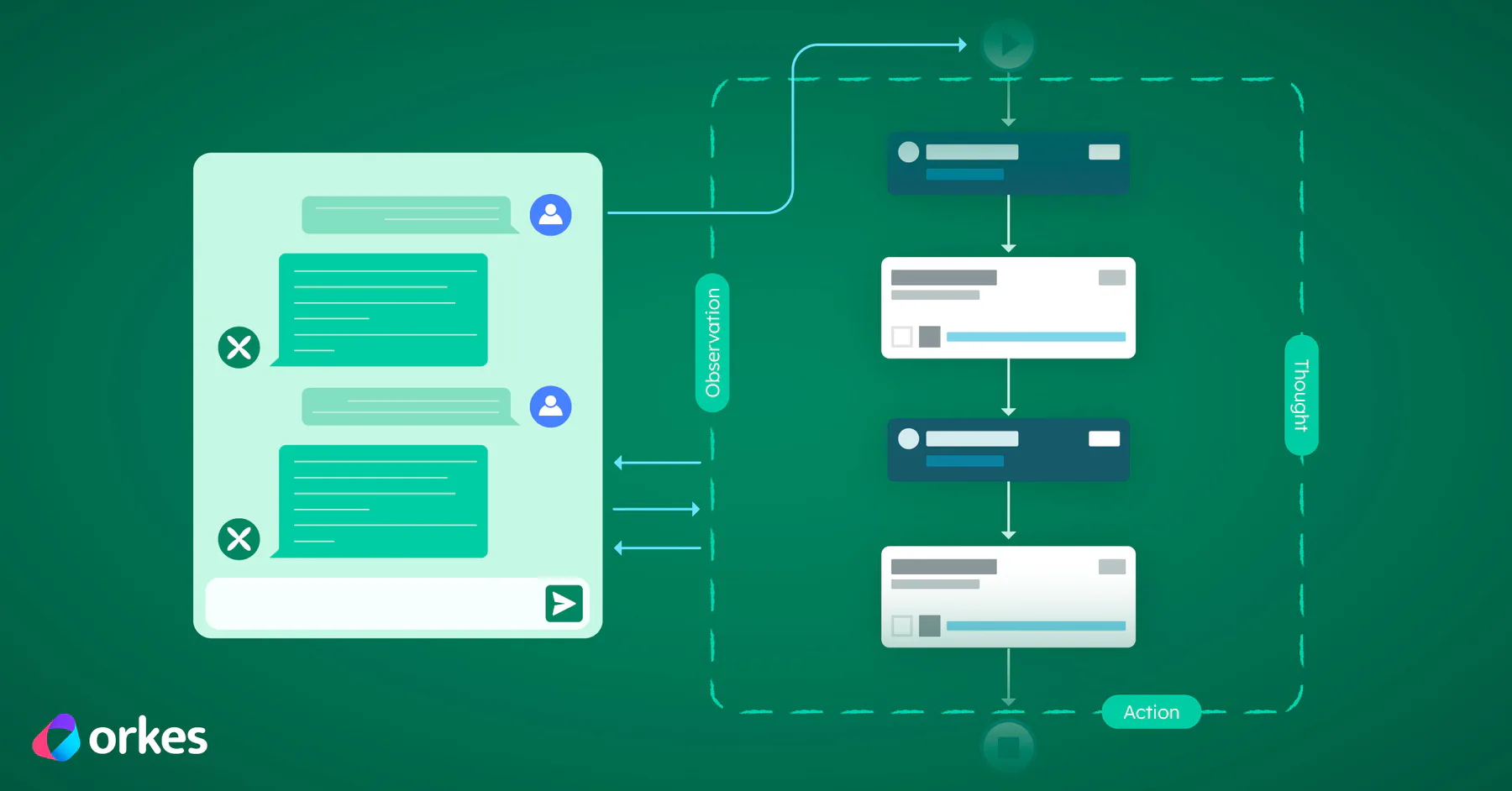
What are Agentic Workflows? Architecture, Use Cases, and How To Build Them
Agentic workflows are an AI-driven processed where the sequence of tasks are dynamically executed with minimal human intervention to achieve a particular goal.
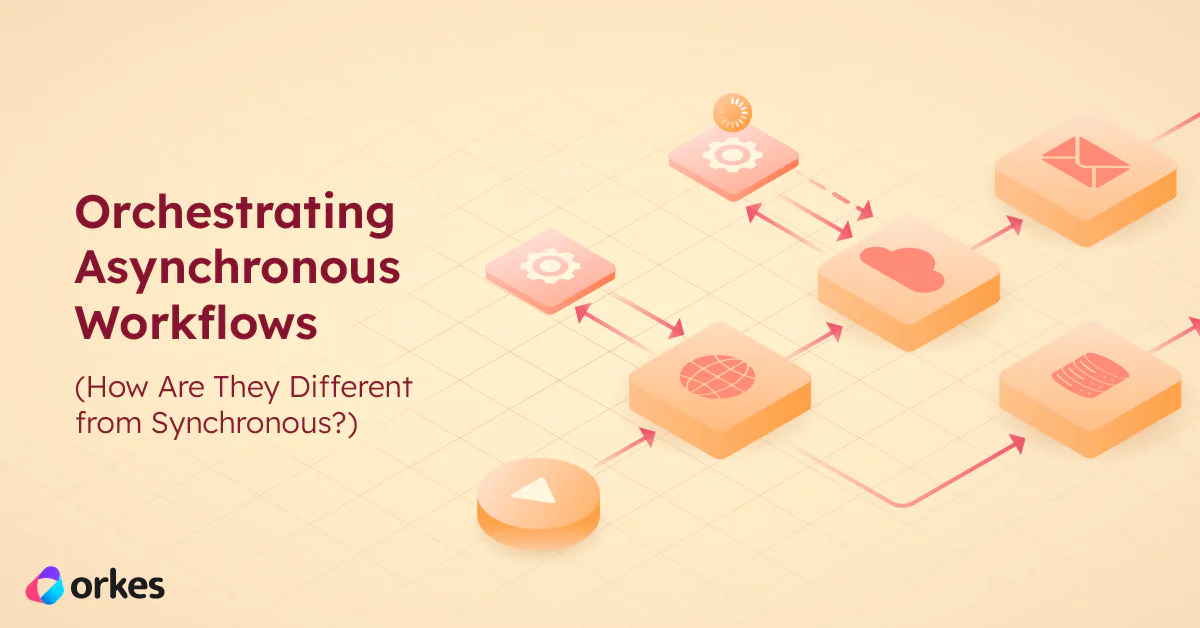
Orchestrating Asynchronous Workflows (How Are They Different from Synchronous?)
Using asynchronous workflows enables responsive and resilient systems even in the face of uncertainty.
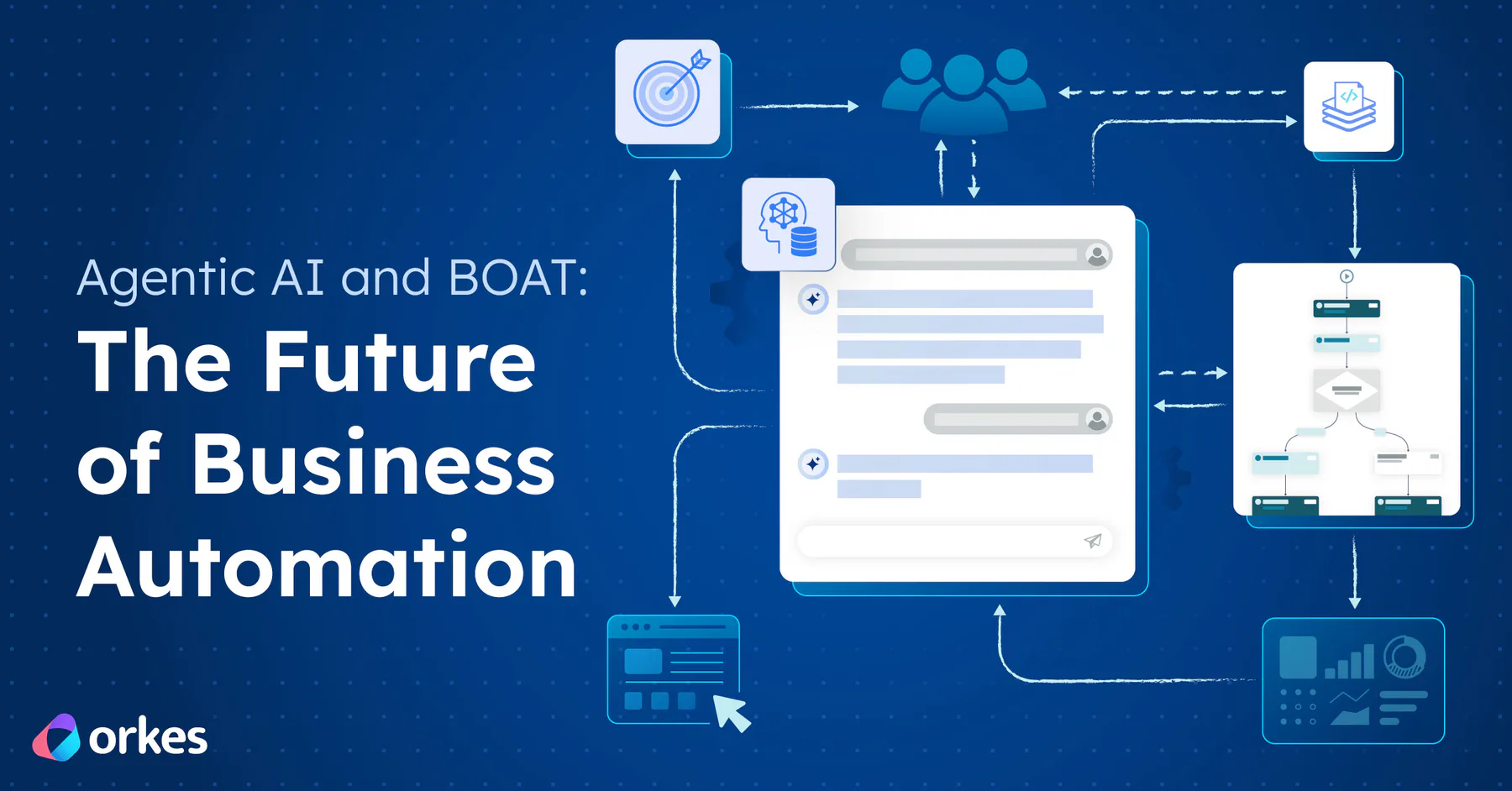
Agentic AI and BOAT: The Future of Business Automation
Find out how agentic AI, combined with BOAT tools, will accelerate the world of business automation into the realm of intelligent, adaptive decision-making.
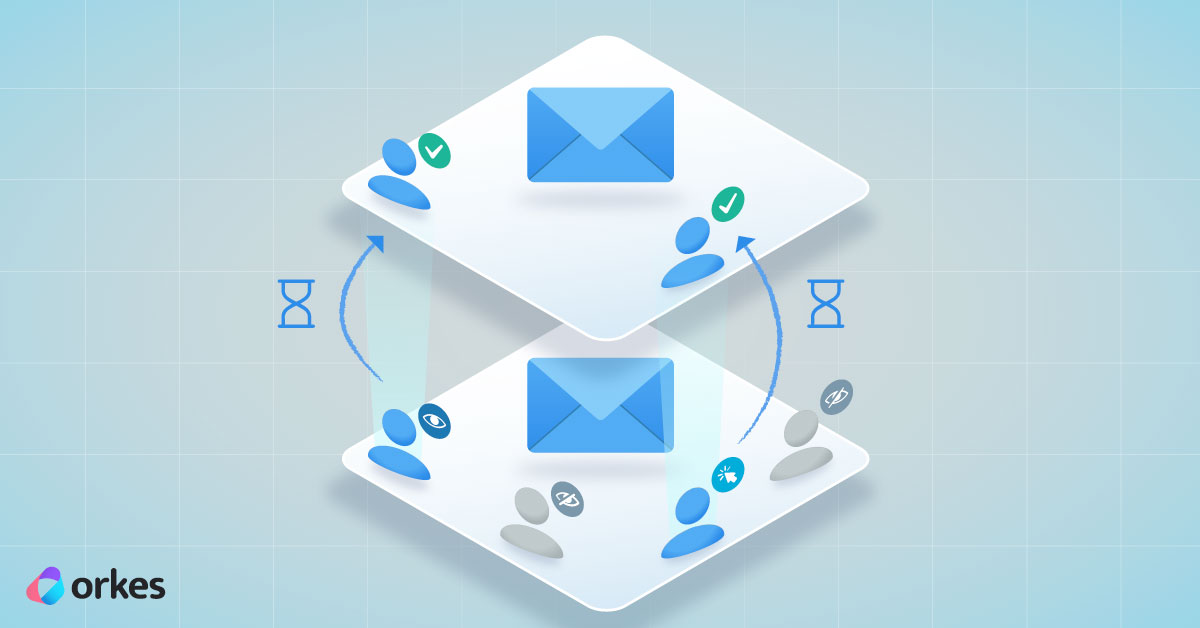
SendGrid Webhooks for Email Nurturing Workflows: A Step-by-Step Guide
Learn how to automate email nurturing workflows with SendGrid webhooks and Orkes Conductor for improved lead conversion and personalized follow-ups.
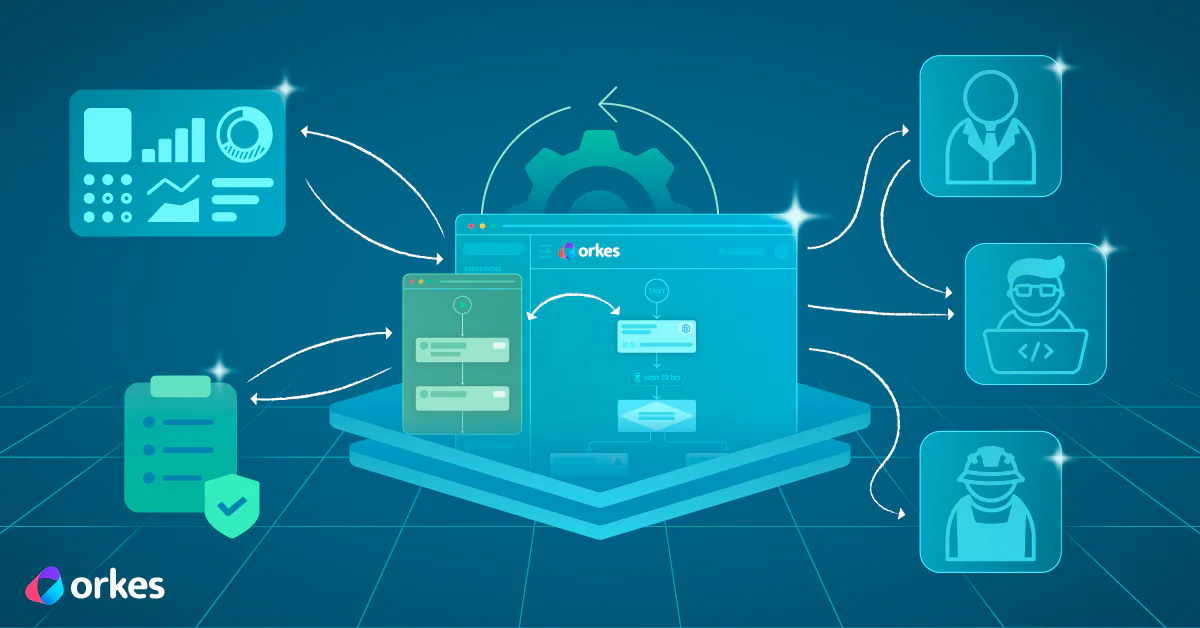
10 Best Practices for Effective Business Process Orchestration
Using BOAT software, implement the ten best practices that will help you master business process orchestration.
Ensuring 99.999% Uptime: Why Service Uptime Monitoring is Crucial
Discover why service uptime monitoring is crucial for businesses. Learn how Orkes Conductor helps ensure 99.999% uptime and prevent downtime with automated alerts.
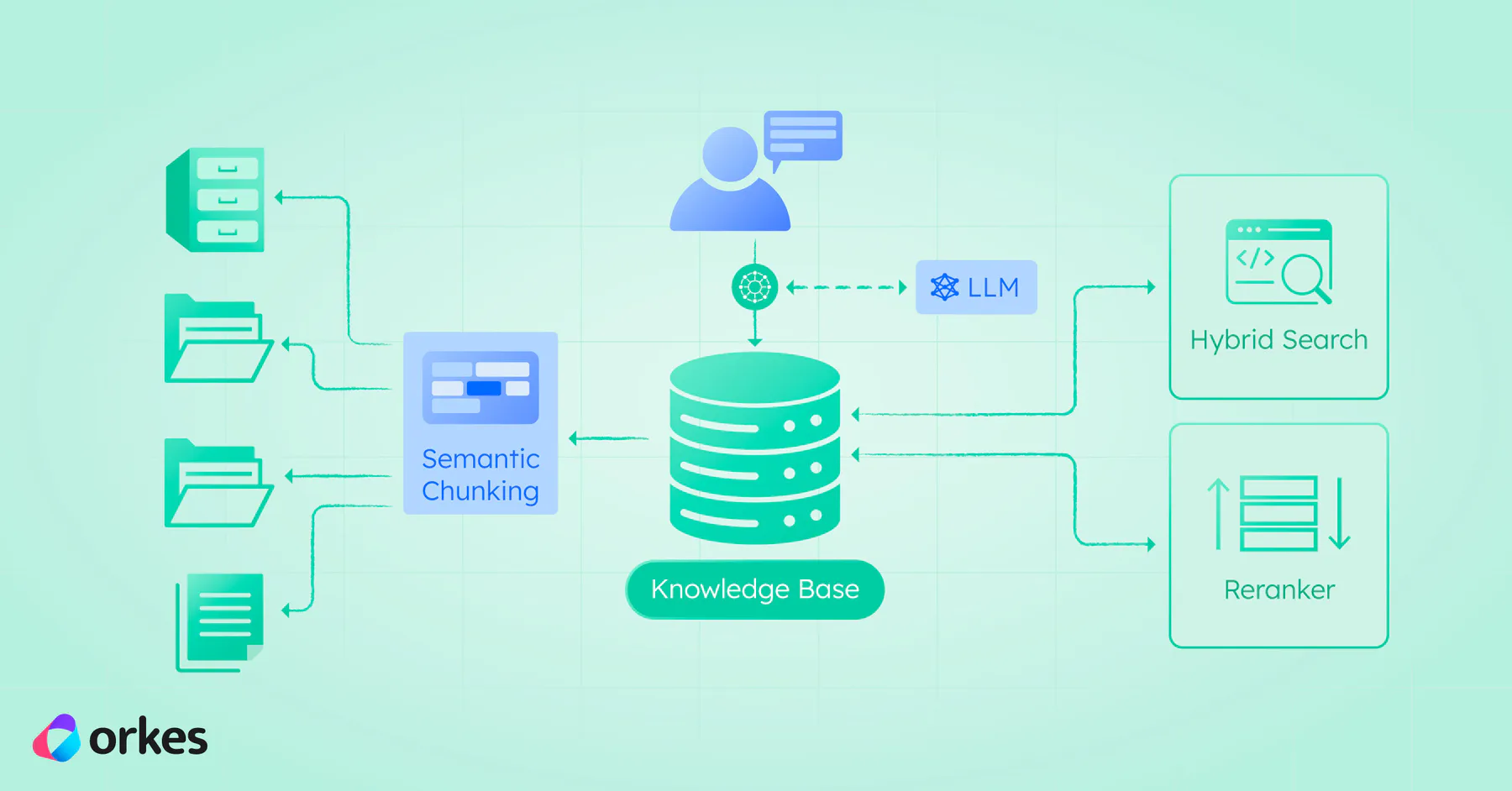
Best Practices for Production-Scale RAG Systems — An Implementation Guide
Learn hands-on the best practices to improve RAG accuracy and response quality: contextual headers, semantic chunks, hybrid search, and reranking.
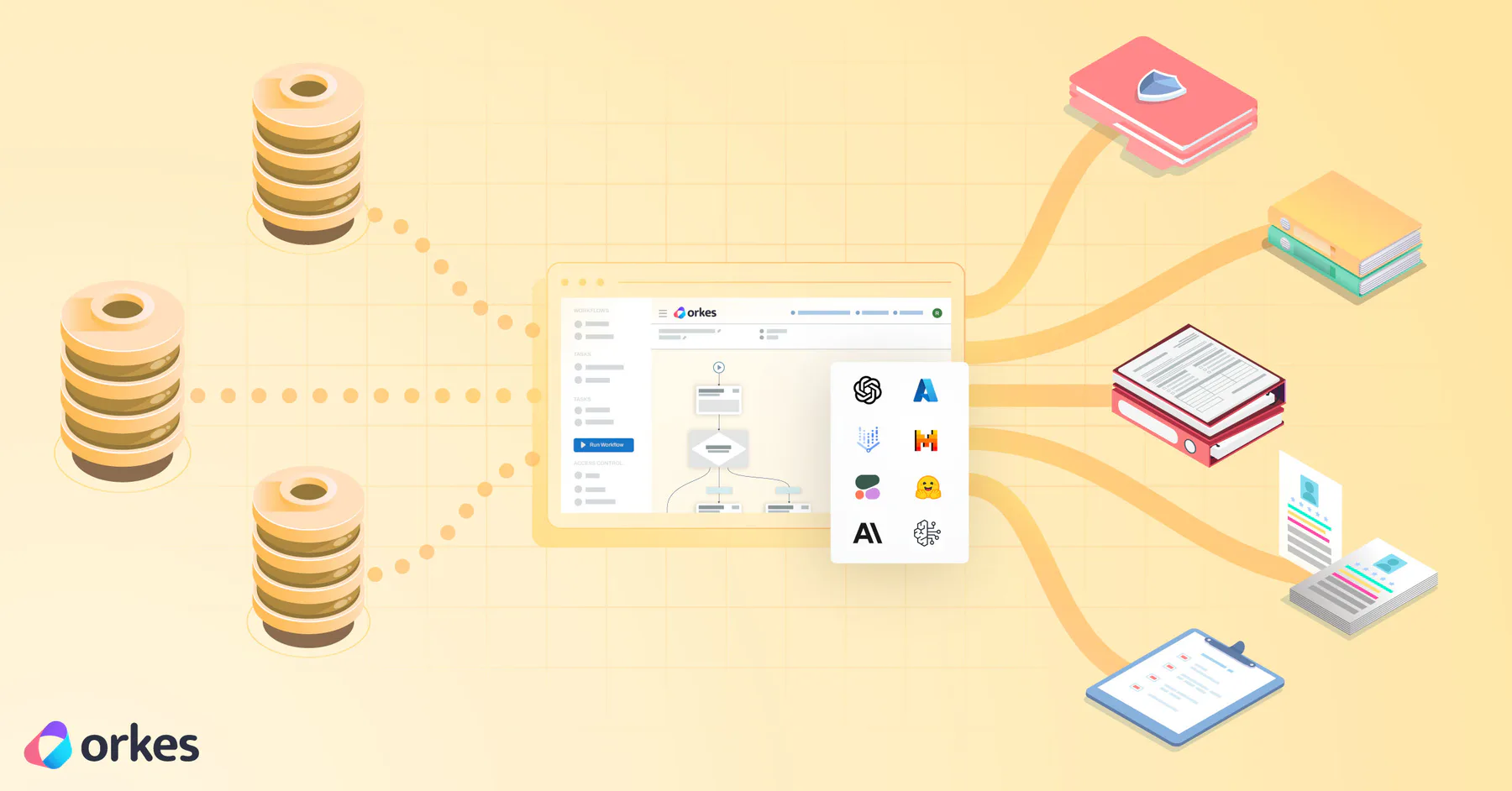
Build an AI Application for Document Classification: A Step-by-Step Guide
Learn how to build an AI document classification app using Orkes Conductor and LLMs to automate and streamline document sorting and improve efficiency.
What Business Leaders Should Know about AI Trends in 2025
The AI trends businesses should watch for in 2025: 1. AI redefining user-computer interactions 2. Evolving AI capabilities 3. Agentic AI to mature 4. AI governance to follow suit…
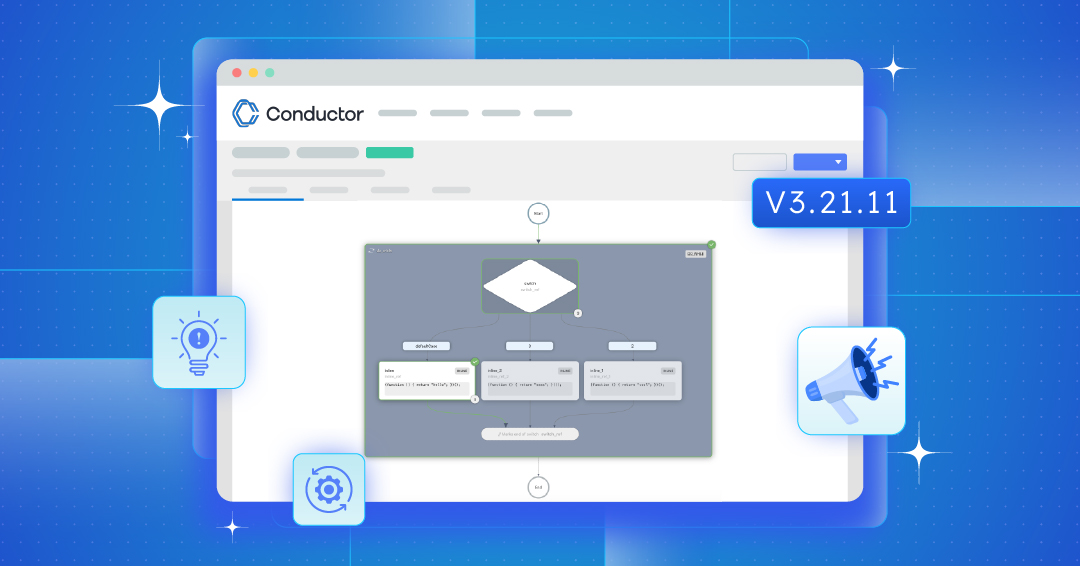
Conductor OSS Updates: Polished Look for Workflow Visualizer and More
Conductor OSS has a brand new visualizer for its workflow definition and execution diagrams.

Lowering Latency with Realtime API Orchestration
Learn about realtime API orchestration and other key strategies to reduce latency, streamline API workflows, and optimize application performance.
Experimenting and Putting Prompt Engineering Tactics into Practice
Experiment with more effective LLM prompts by leveraging model choice, prompt engineering tactics, and parameter tuning.
How to Develop an AI Application: Step-by-Step using Orkes Conductor
Get a guided tutorial on how to develop an AI application with minimal technical overhead using orchestration.
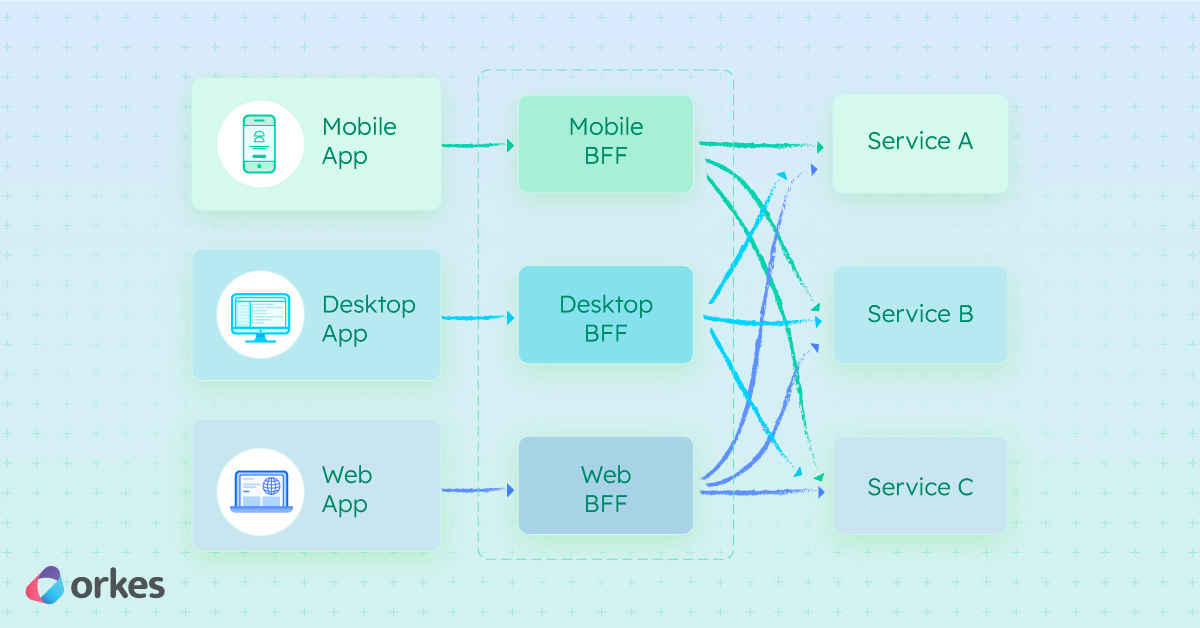
Guide to Backend for Frontend (BFF) Pattern: An Approach Using Orchestration
The Backend for Frontend (BFF) pattern customizes backend services for each frontend. Learn how to implement a BFF layer with Orkes Conductor.

Introducing Candid Conversations: Exploring the Future of Workflow Orchestration and AI
Candid Conversations is a new video series exploring trends in workflow orchestration, AI, and tech’s impact on modern app development.

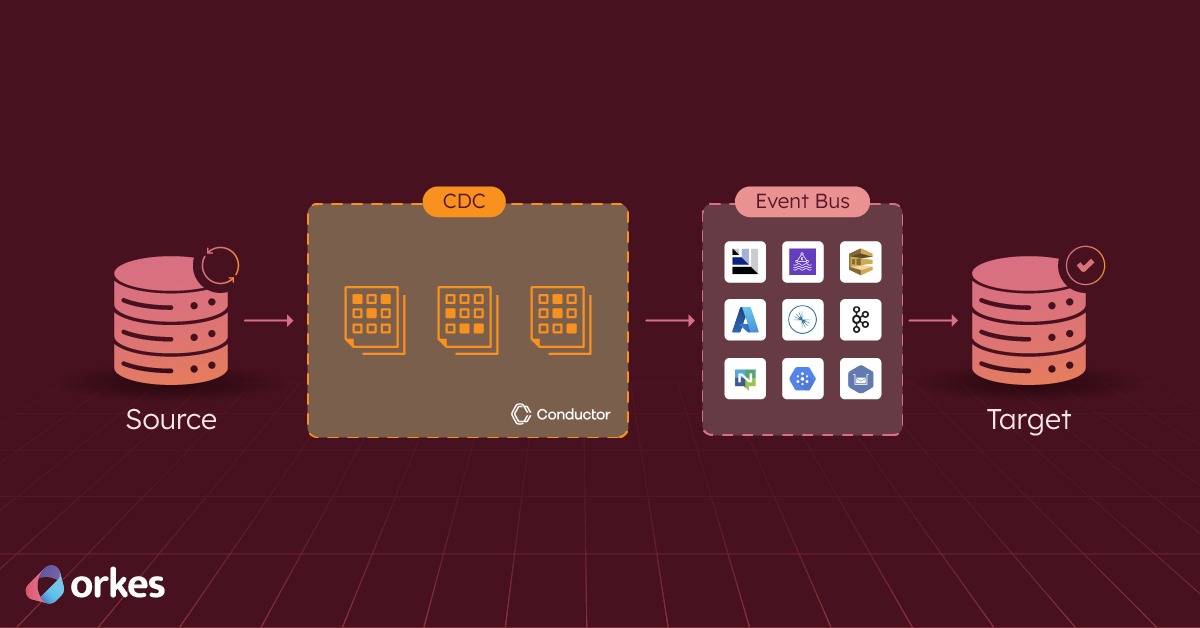
Change Data Capture (CDC) in Event-Driven Microservices
Change Data Capture (CDC) is a technique for identifying and capturing changes in a database and replicating them in real time to other systems.
Announcing the New Conductor Java Client v4
Orkes is thrilled to announce Java Client v4, featuring significant design enhancements, performance improvements, and optimized dependencies.
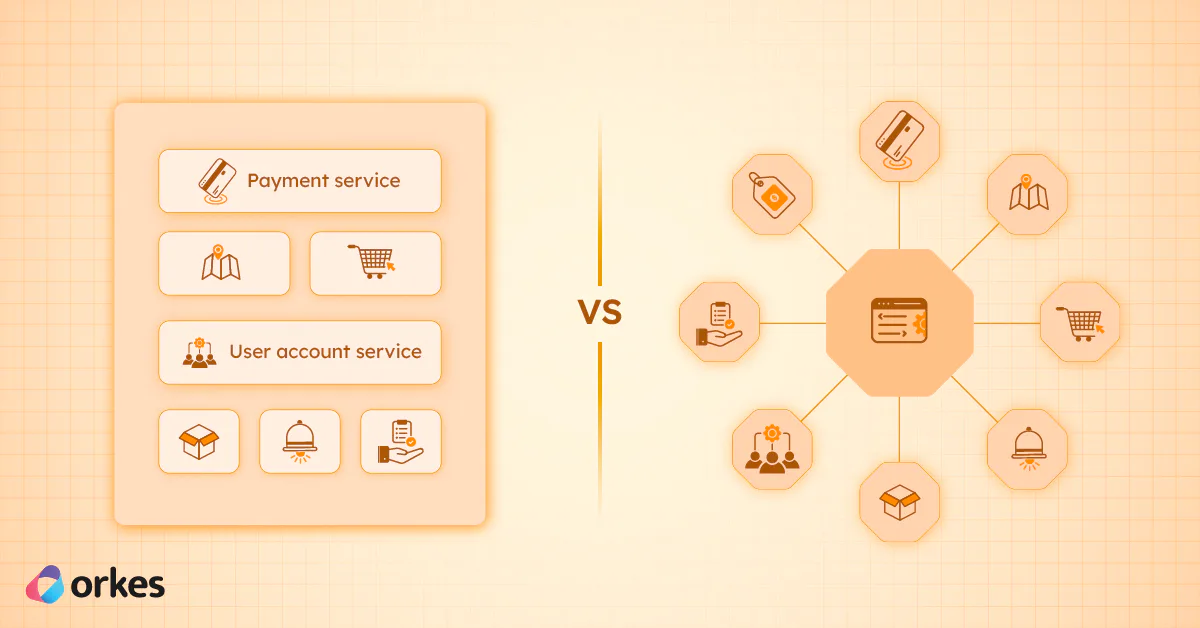
Monolith to Microservices: Should I Migrate and How?
Figure out if your monolith should be split into microservices and learn the best practices for planning, executing, and testing your migration project.
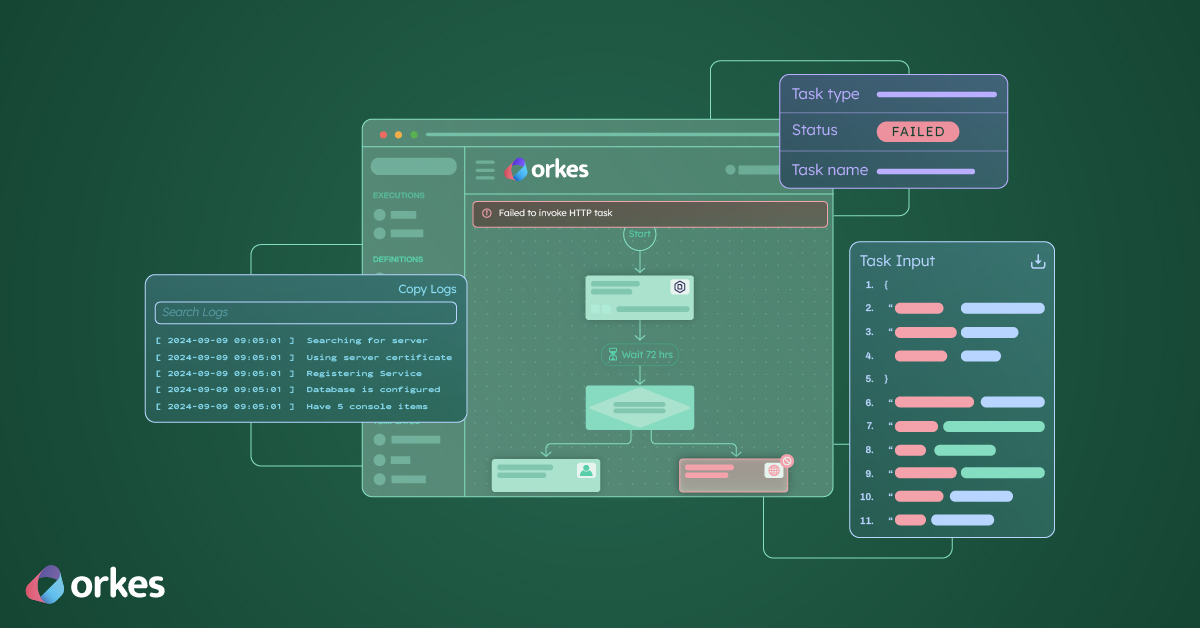
Debugging Distributed Systems
Debugging distributed systems is tricky due to observability or reproducibility issues. A key strategy lies in using tools that cut out time to track down the error source.
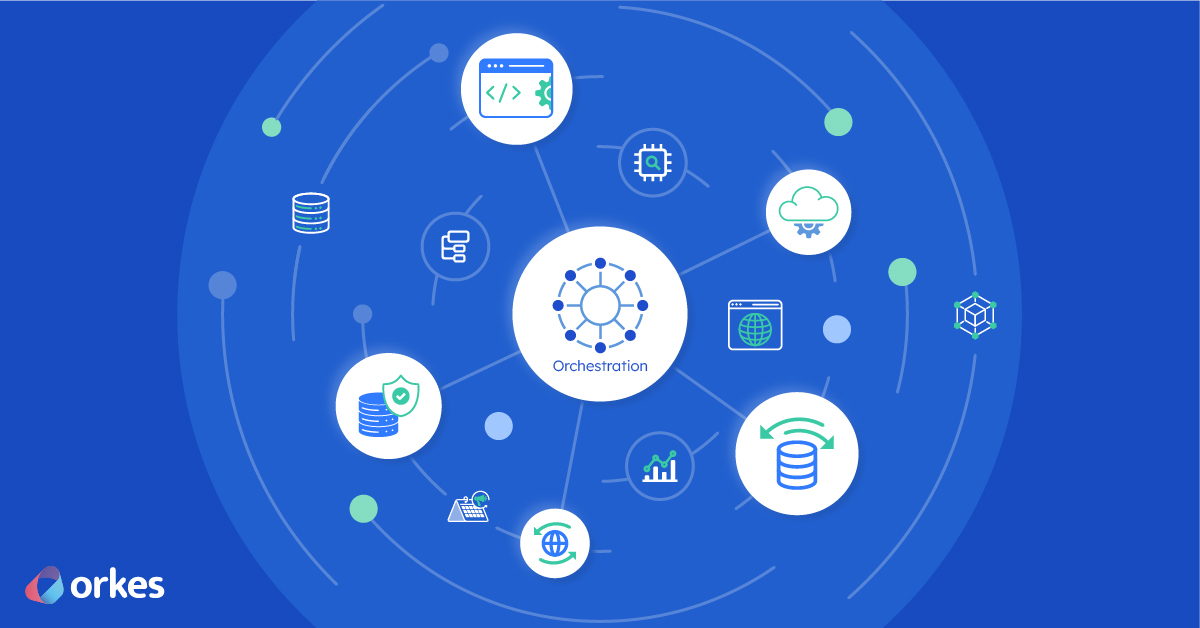
What is Orchestration?
Orchestration is the process of coordinating distributed software components and systems so that they execute seamlessly as an automated, repeatable process.
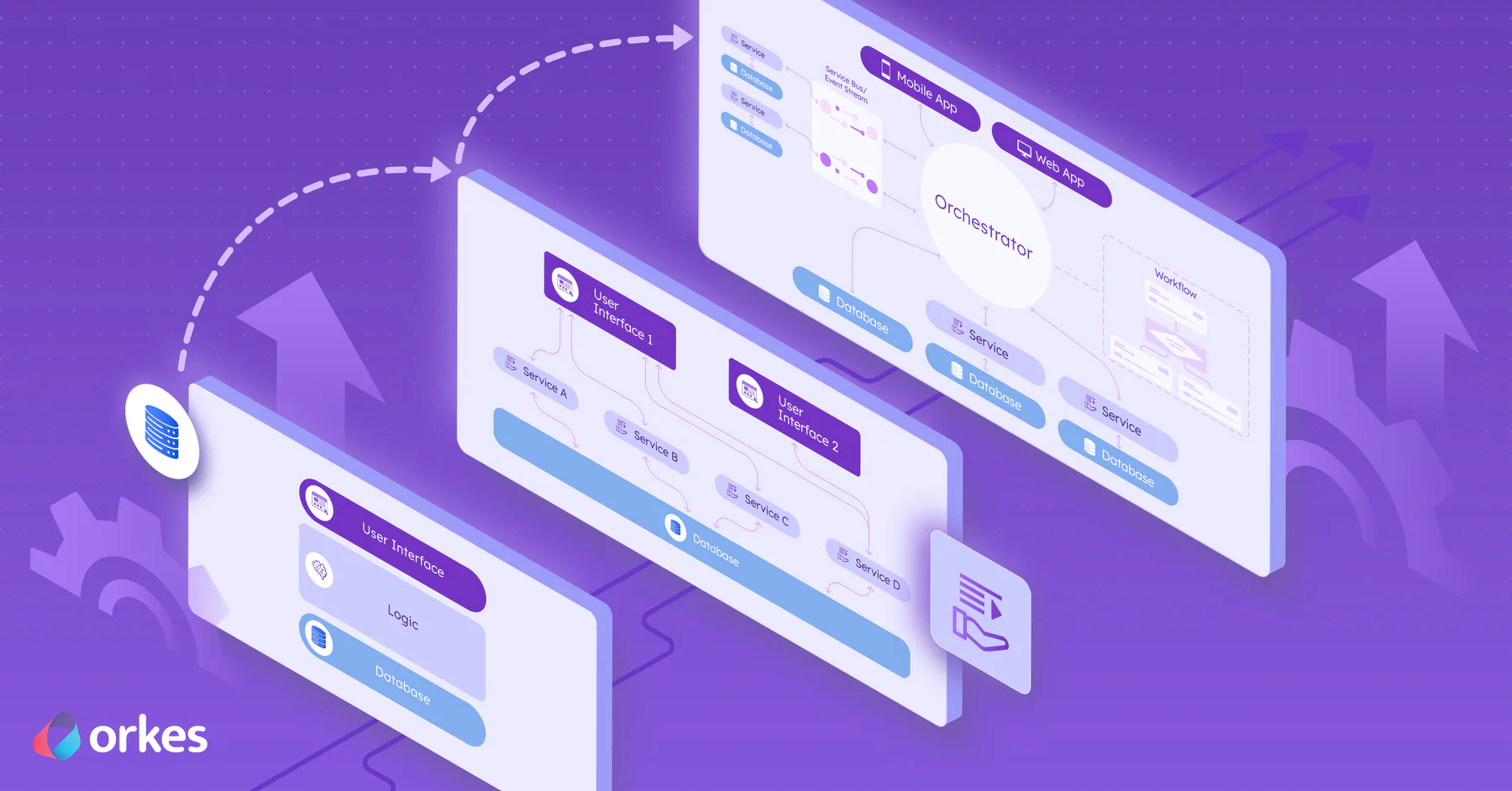
Evolution of Software Architecture: From Mainframes and Monoliths to Distributed Computing
Software architecture has evolved from mainframes and monoliths into a distributed network of cloud computing, API connectivity, AI, and microservices.
Orkes: Empowering APAC Expansion through IMDA Spark Programme
Orkes is officially part of Singapore's IMDA Spark Programme as of March 2024, allowing Orkes to facilitate deeper engagement with the local tech community and tech leaders.
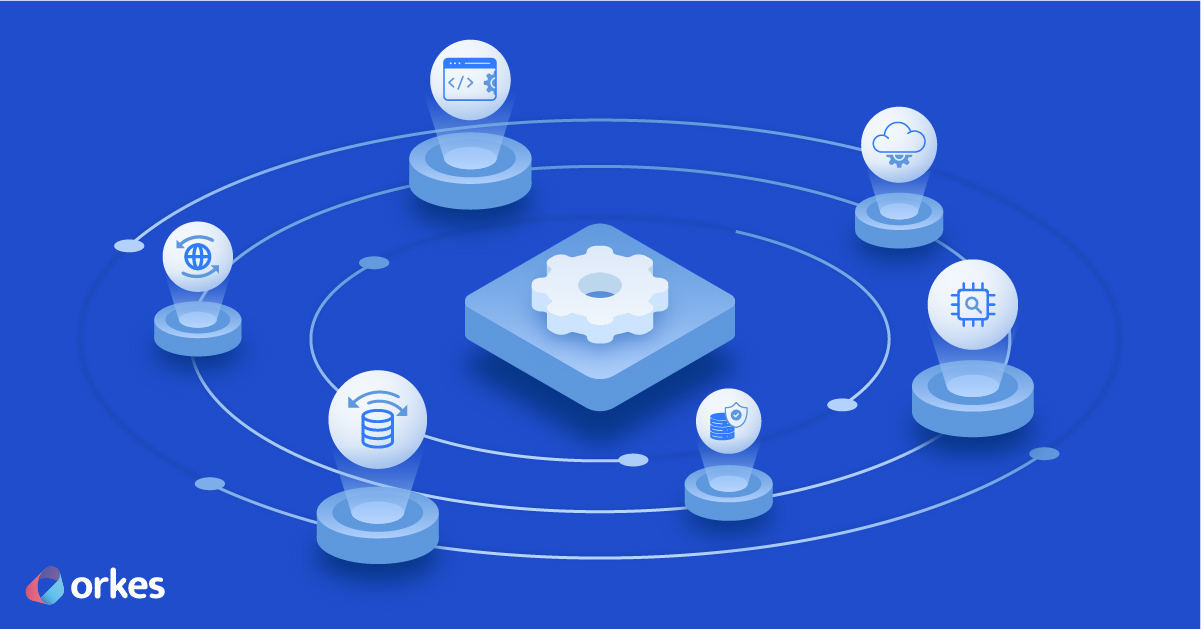
AI Orchestration Explained | Ways to Integrate AI in Your Business
In AI orchestration, a central platform coordinates interactions between AI components. Discover the different ways to use AI in your business applications.
Orkes Announces New Integration with AWS Bedrock: Unlocking Enhanced AI Capabilities for AI Orchestration
Orkes Conductor offers integrations with Amazon Bedrock, providing greater flexibility for orchestrating workflows using AI.
Guide to Prompt Engineering
Learn the fundamentals of prompt engineering, what it is, its significance in app development, and how to build LLM-powered applications effectively.
RAG Explained | Using Retrieval-Augmented Generation to Build Semantic Search
RAG (retrieval-augmented generation) improves LLM output with pre-fetched data from external sources, enabling developers to build semantic search features.

6 Differences between Conductor OSS and Orkes Conductor
Conductor is an orchestration engine for creating complex flows across distributed components. Learn the differences between OSS and Orkes.
Emerging Tech Trends 2024: The Latest Developments in AI, API, and Automation
Dive into the latest developments in AI, API, and automation and discover how to leverage them for your business.
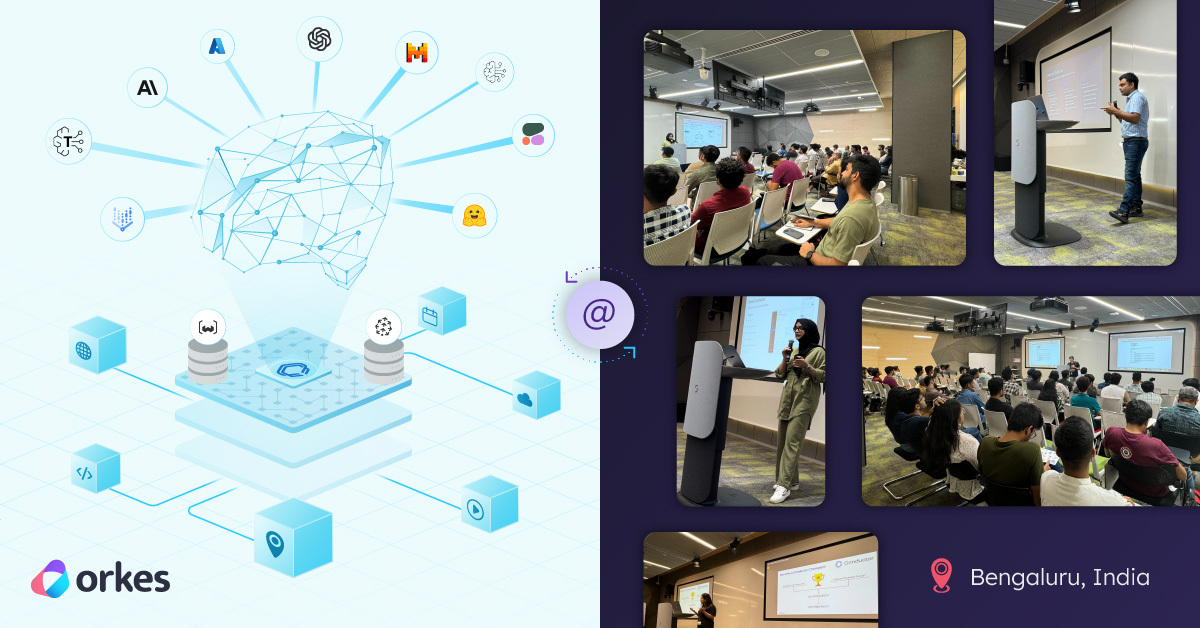
AI Orchestration Meetup [April 2024] - Recap
Explore the highlights from the AI Orchestration Meetup in Bengaluru, featuring insights on GenAI, AI orchestration, and implementation using Orkes Conductor.
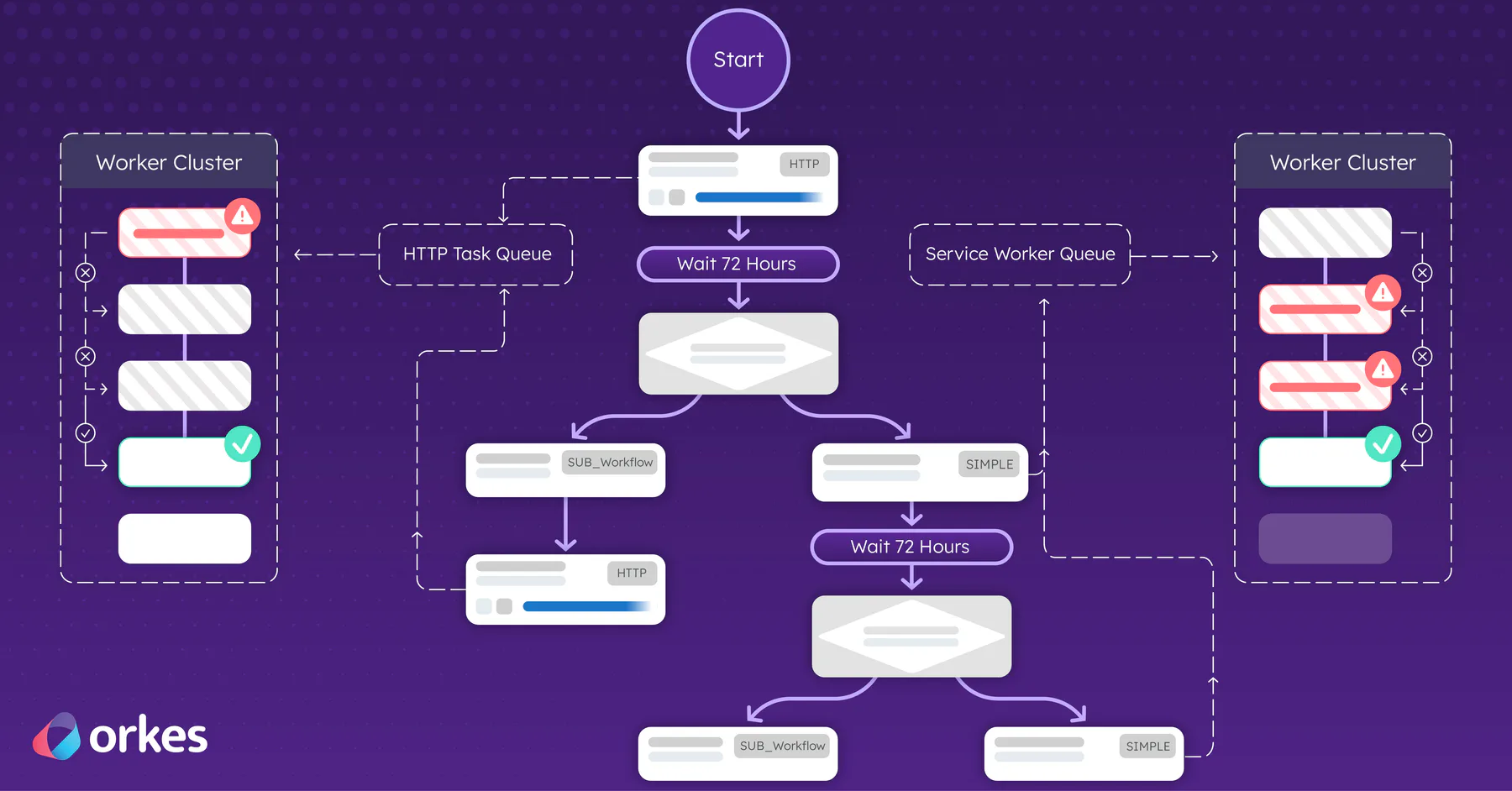
Durable Execution Explained — How Conductor Delivers Resilient Systems Out Of The Box
Learn more about the technical implementation of durable systems and how Conductor delivers resilience with its decoupled infrastructure and redundancy.
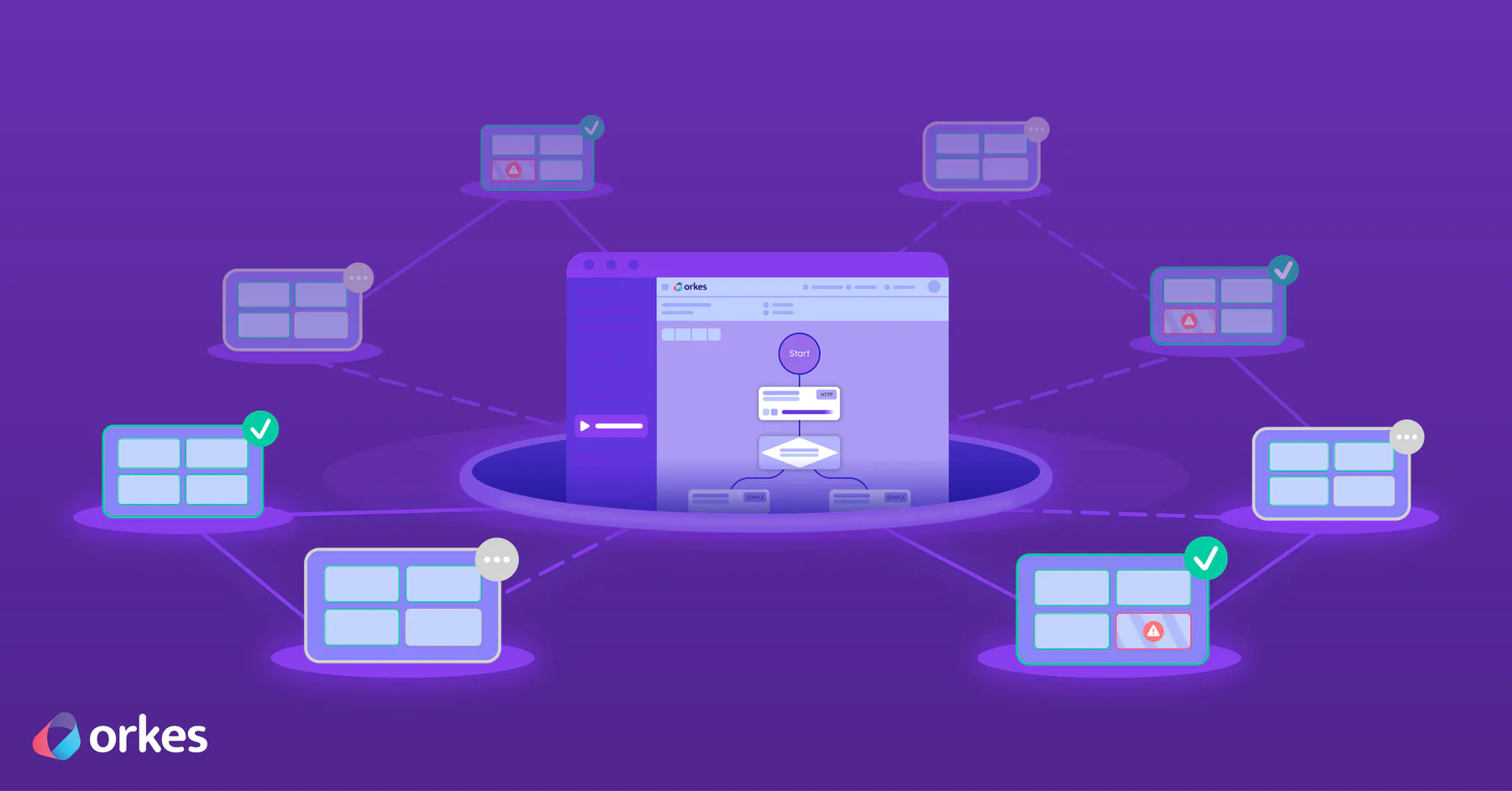
Why Your Applications Need Durable Execution — and Best Practices to Achieve it
Durable execution enables applications to continue running in face of failure. Find out how to implement it, especially for long-running processes.
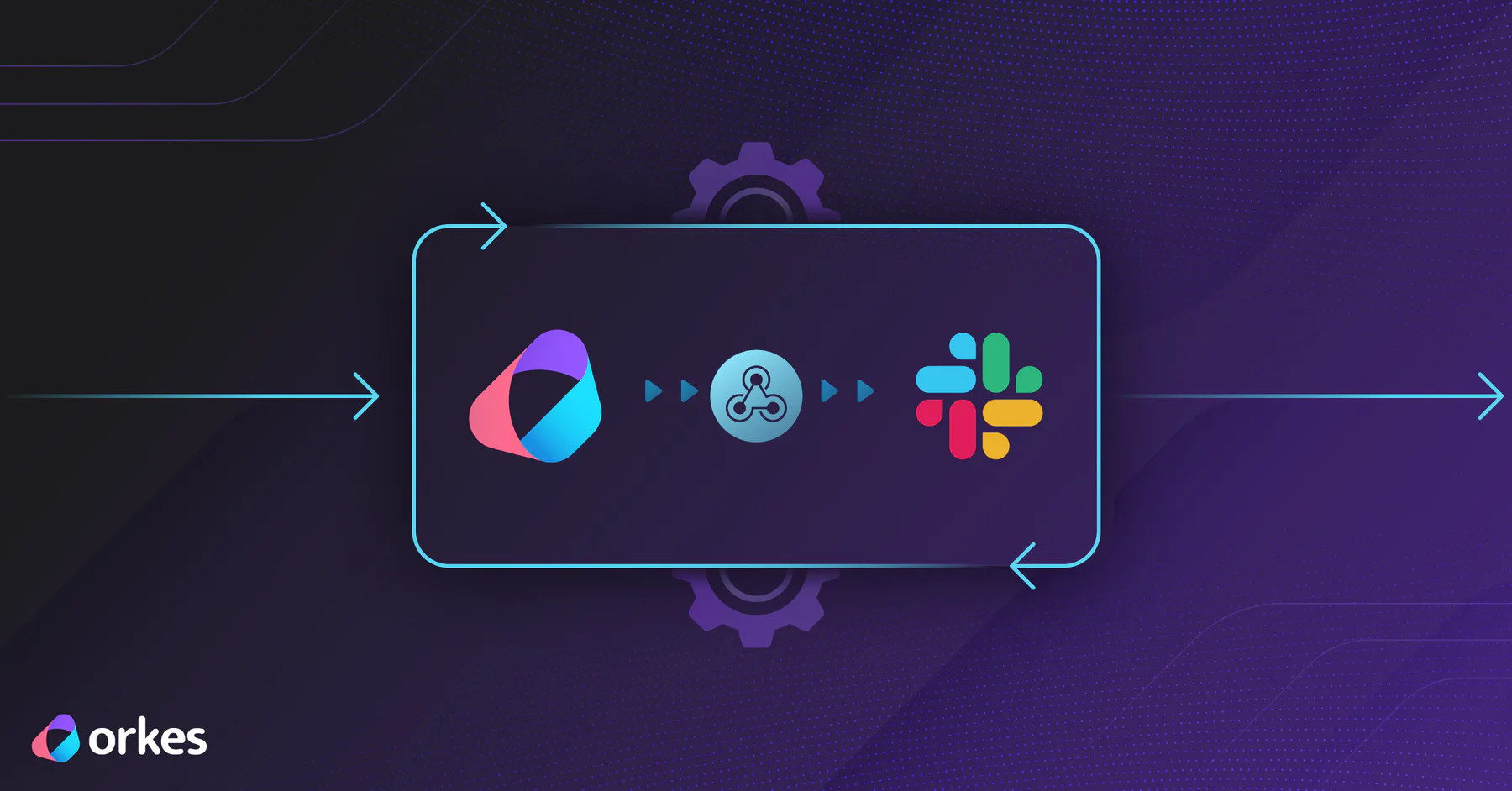
Automating Slack Greetings to Community with Orkes Conductor
Learn how to use Conductor-Webhook integration to automate slack greetings to new community members.
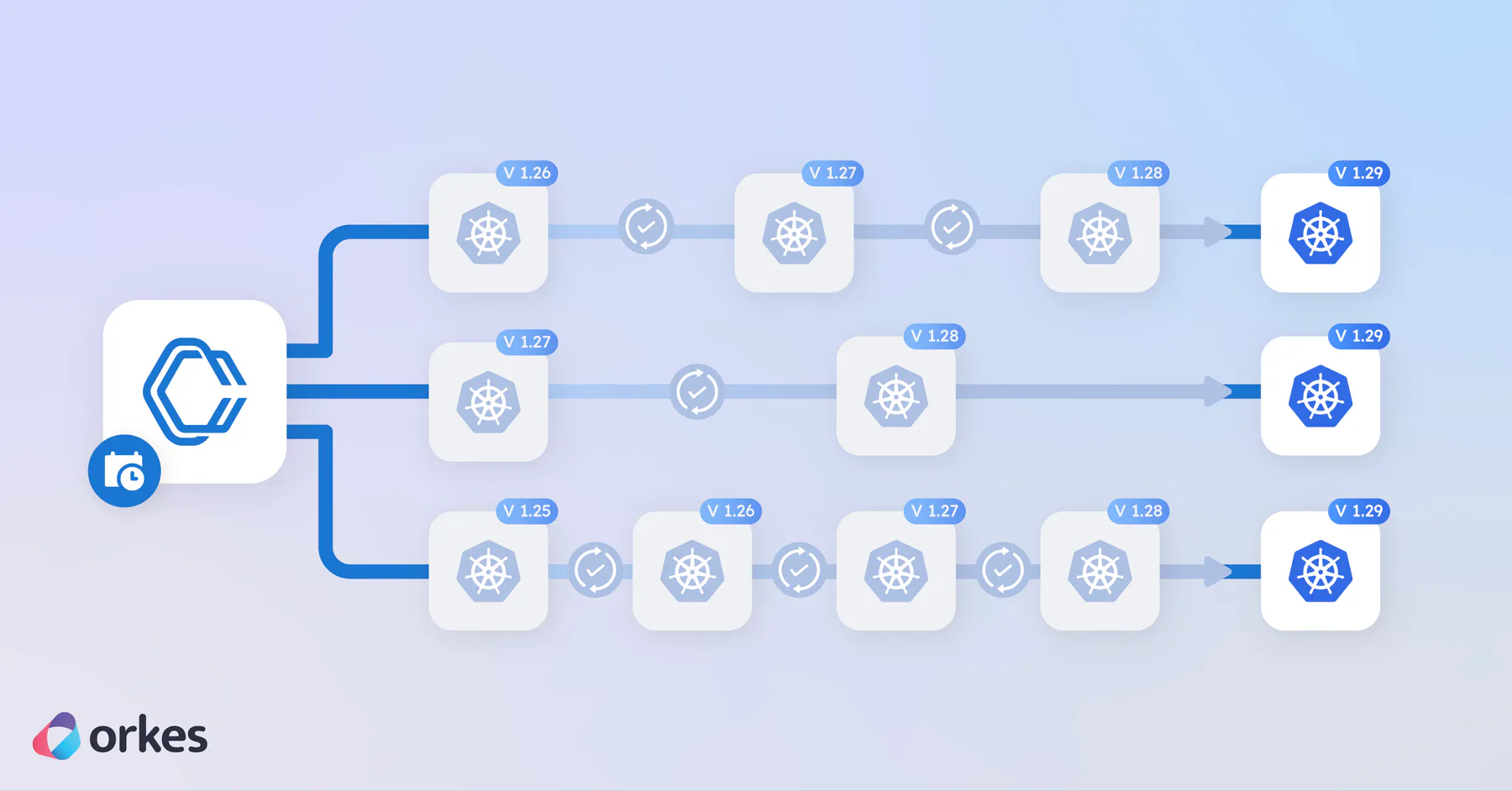
Upgrade EKS Clusters across Multiple Versions in Less Than a Day — using Automated Workflows
Find out how to upgrade EKS clusters using Conductor, with in-built failure handling, scheduling, and more.

Orkes has raised a $20M Series A to power our next phase of growth
Orkes’ Series A funding will power the next phase of growth for Conductor as the development platform of choice.
What’s new in Conductor Python SDK?
Conductor’s Python SDK has been refactored, providing support for AI orchestration, a better experience for creating dynamic workflow, and more.
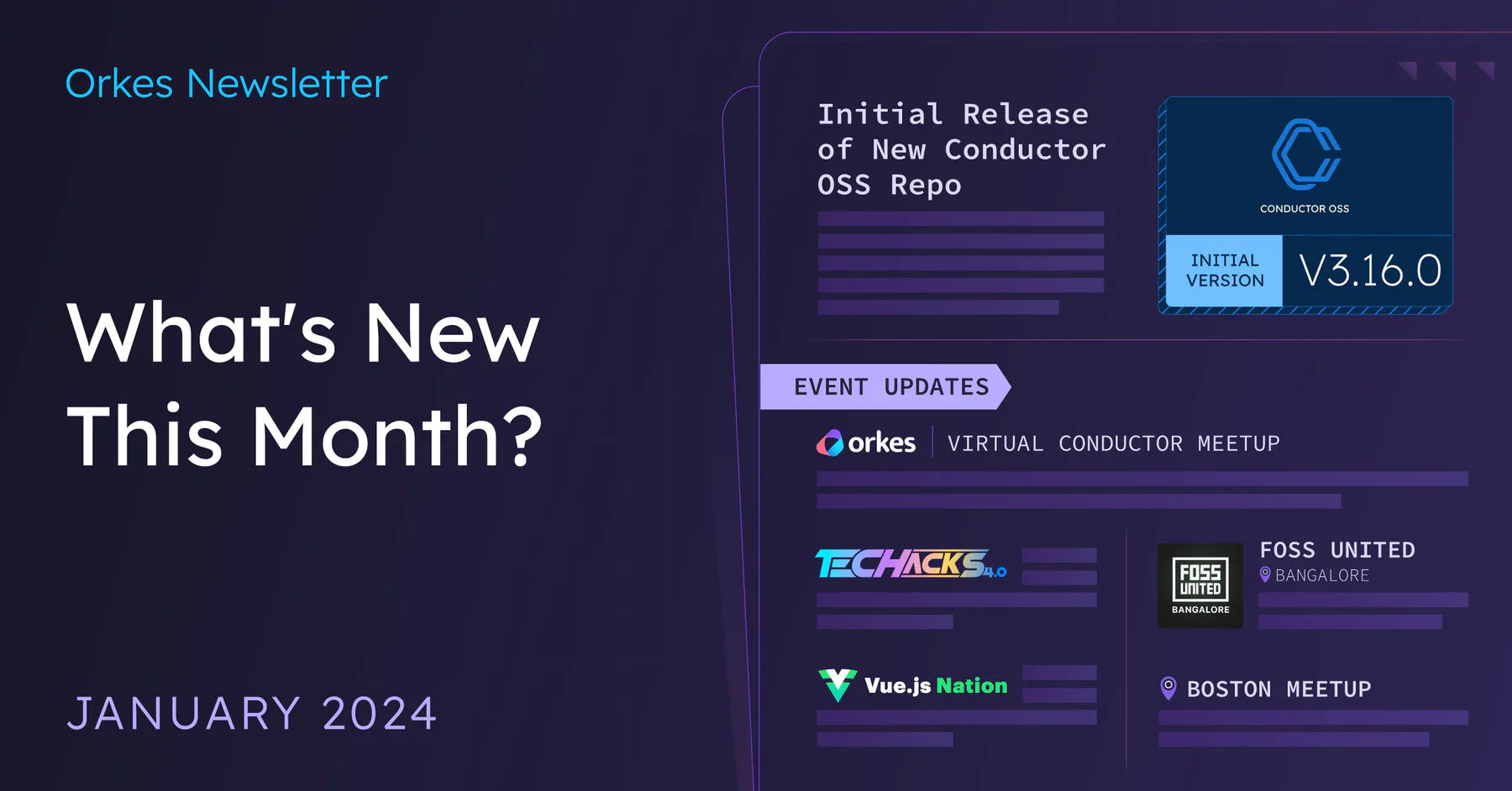
Orkes Monthly Highlights - January 2024
Learn more about the happenings from Orkes in Jan 2024.
Announcing Initial Release of New Conductor OSS Repository
Announcing the initial release of Conductor OSS from Orkes.

Orkes Monthly Highlights - December 2023
Check out the latest December 2023 updates in Orkes.
Opsgenie Alerting with Orkes Conductor
Learn how to integrate your Conductor orchestration stack with Opsgenie to get incident alerts and swiftly take action.
Using Conductor OSS for Orchestrating Digital Public Goods (DPG) Compliant Payment Hub
Learn from our community on how to Conductor OSS to set up a Digital Public Goods (DPG) compliant orchestration layer in your applications.


Evolving the Conductor Open Source and the Conductor Community
Orkes will take stewardship of Conductor OSS in collaboration with the community and will remain committed to a developer-first experience.
Orkes Monthly Highlights - November 2023
Check out the latest November 2023 updates in Orkes.
Harness the Power of Gen AI in Your Applications - Introducing AI Orchestration and Human Tasks in Orkes Conductor
Seamlessly integrate LLM capabilities and vector databases into applications using AI orchestration and native prompt engineering support.
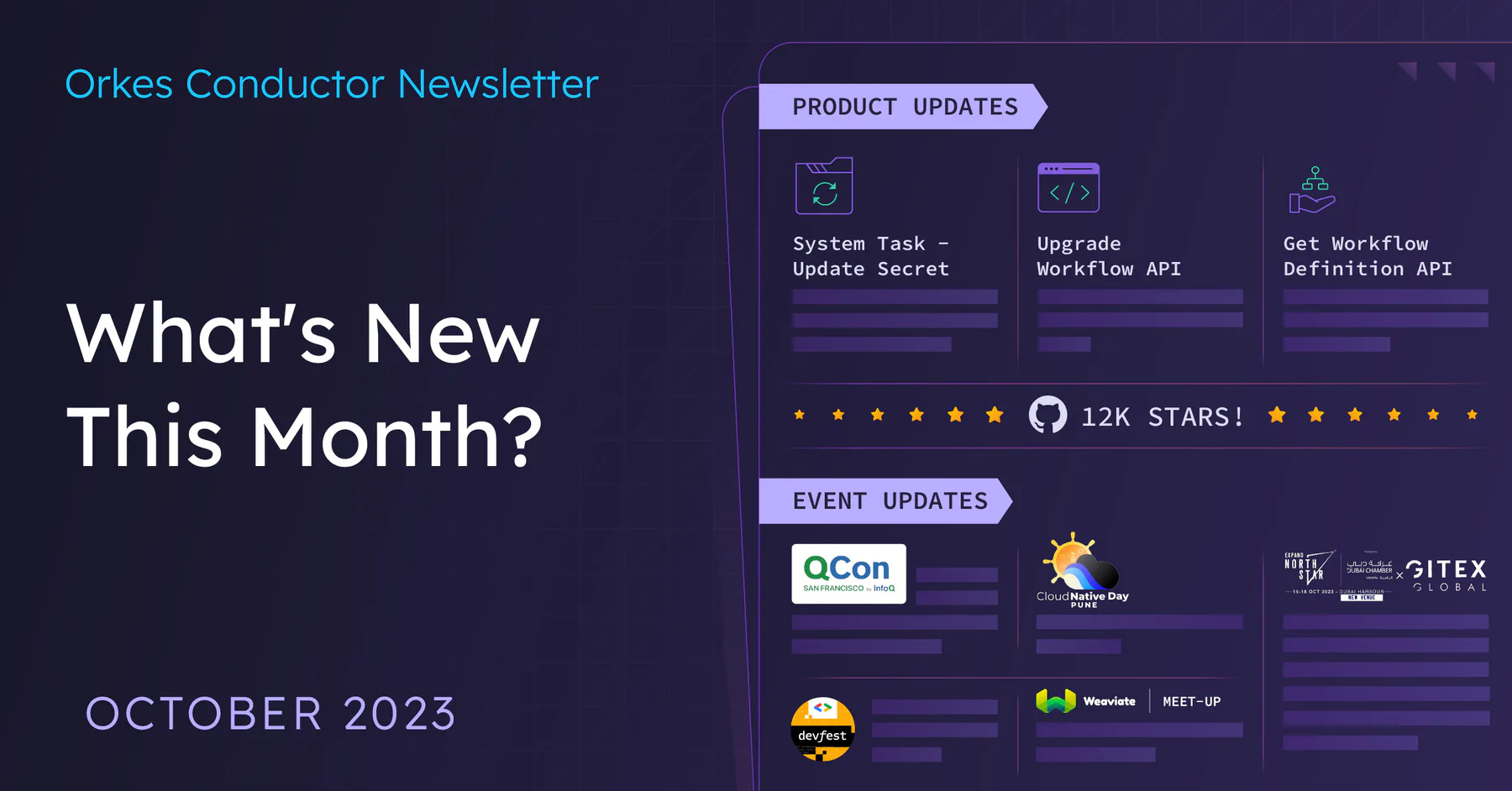
Orkes Monthly Highlights - October 2023
Check out the latest October 2023 updates in Orkes.
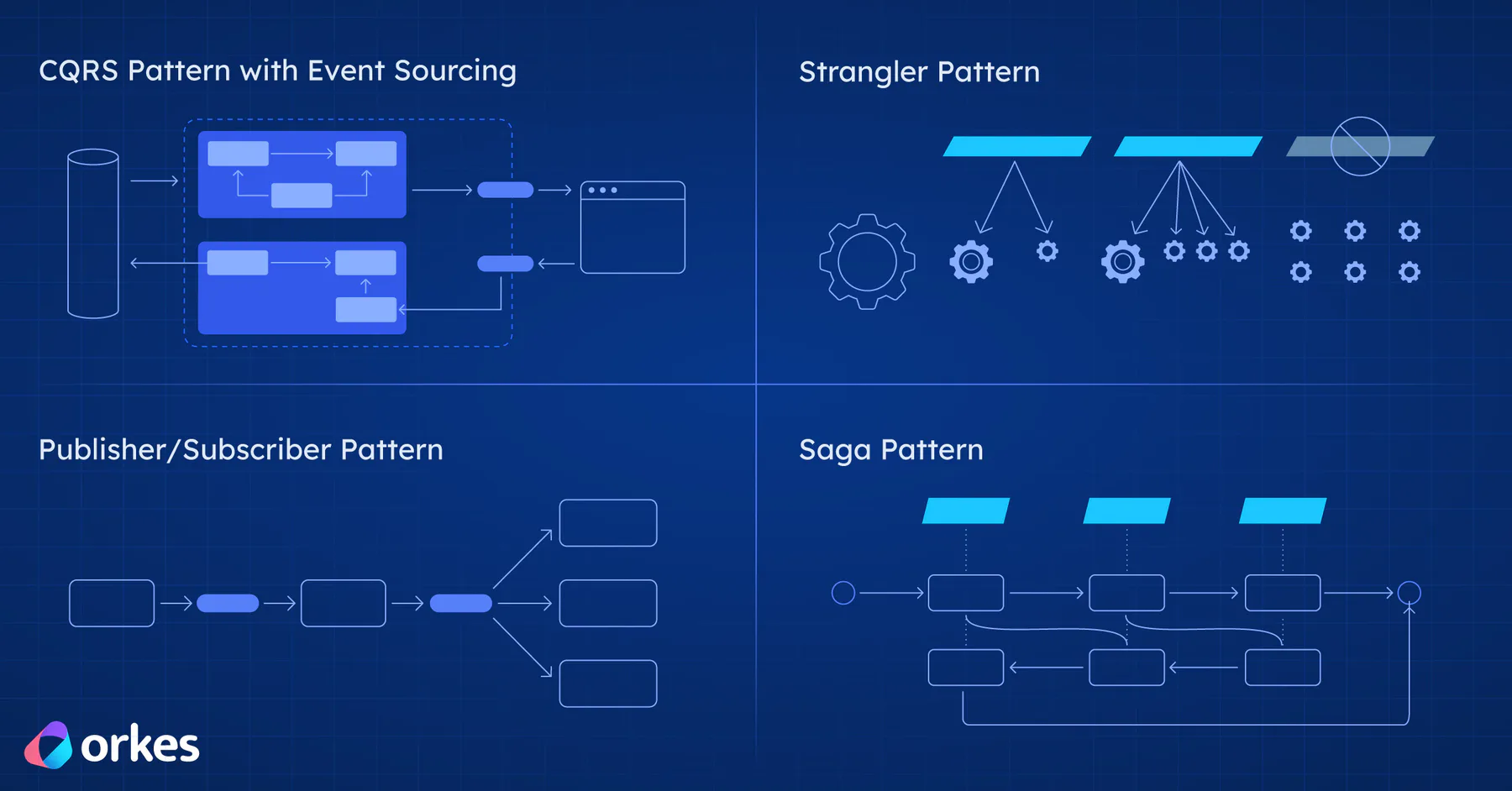
4 Microservice Patterns Crucial in Microservices Architecture
Learn the four most important patterns for microservices: CQRS pattern, strangler pattern, publisher/subscriber pattern, and saga pattern.
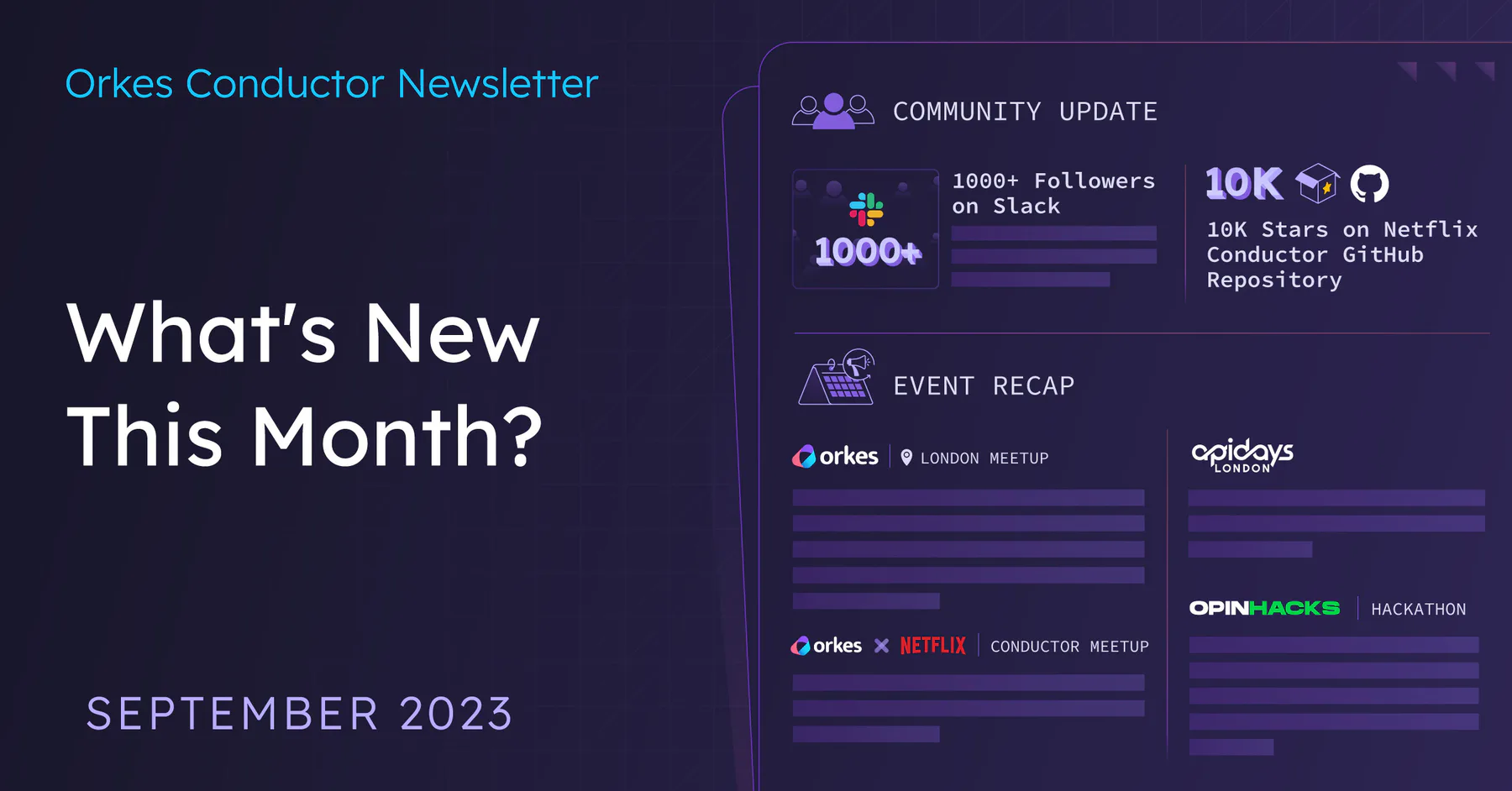
Orkes Monthly Highlights - September 2023
Check out the latest September 2023 updates in Orkes.
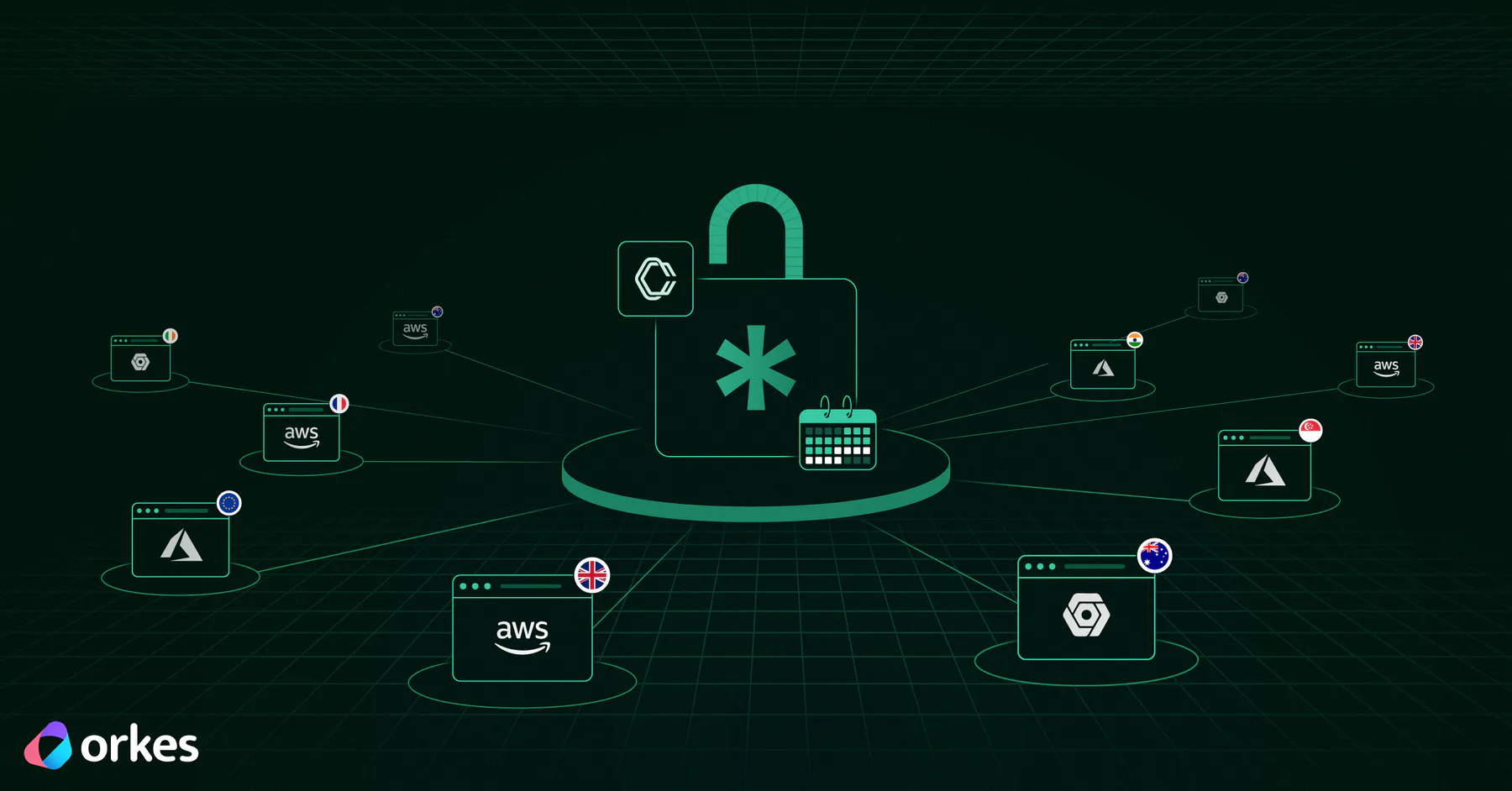
Automating Wildcard Certificate Management Across Multiple Kubernetes Clusters with Orkes Conductor
Automate wildcard certificate deployment at scale with Conductor so that cluster access is always kept secure.

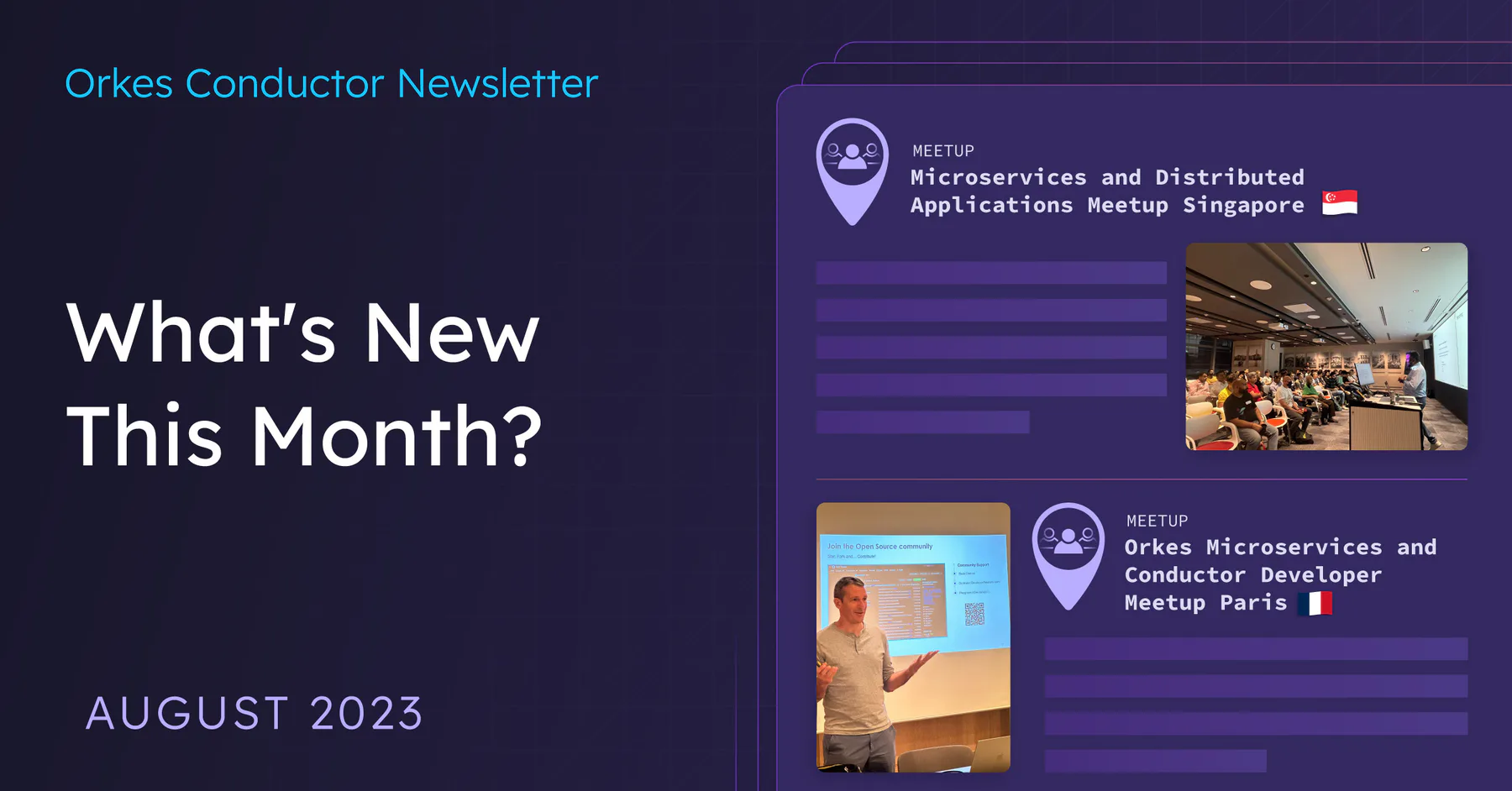
Orkes Monthly Highlights - August 2023
Check out the latest August 2023 updates in Orkes.
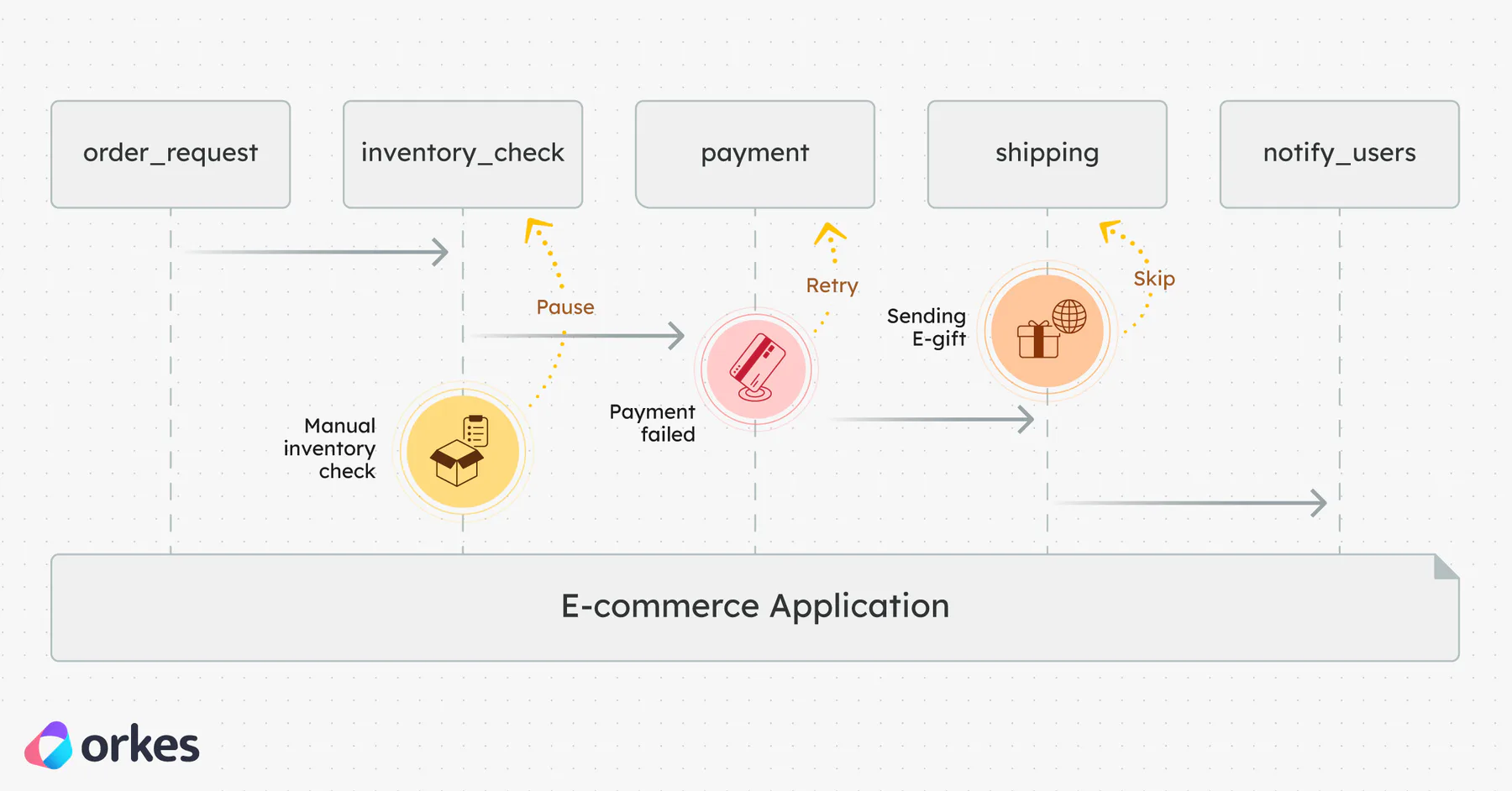
Sending Signals to Workflows in Orkes Conductor
Learn how to control a running workflow by sending signals to the workflow execution.
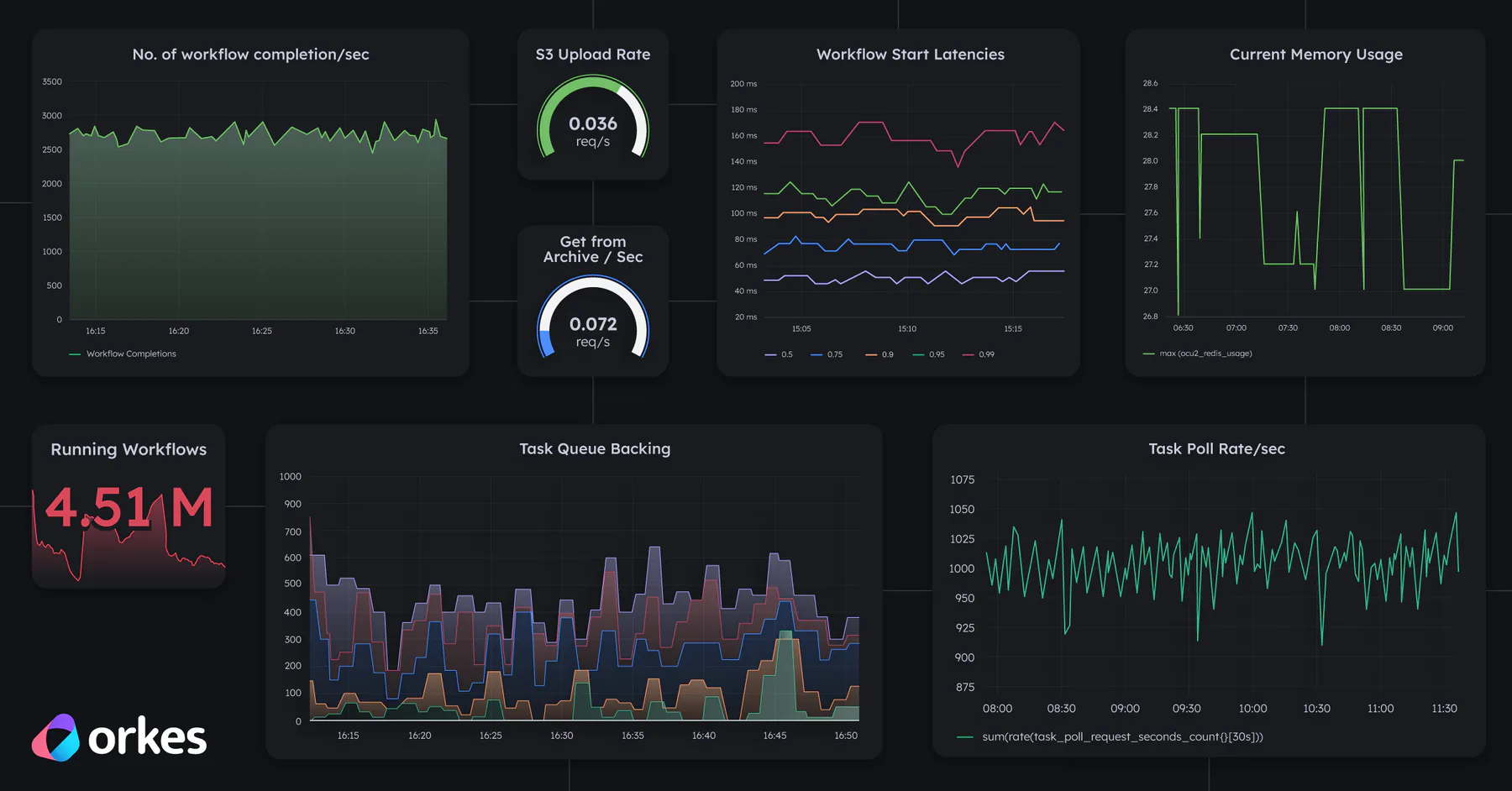
Monitoring Microservices using Prometheus & Grafana
Learn how to use tools like Prometheus and Grafana for monitoring Conductor workflows.
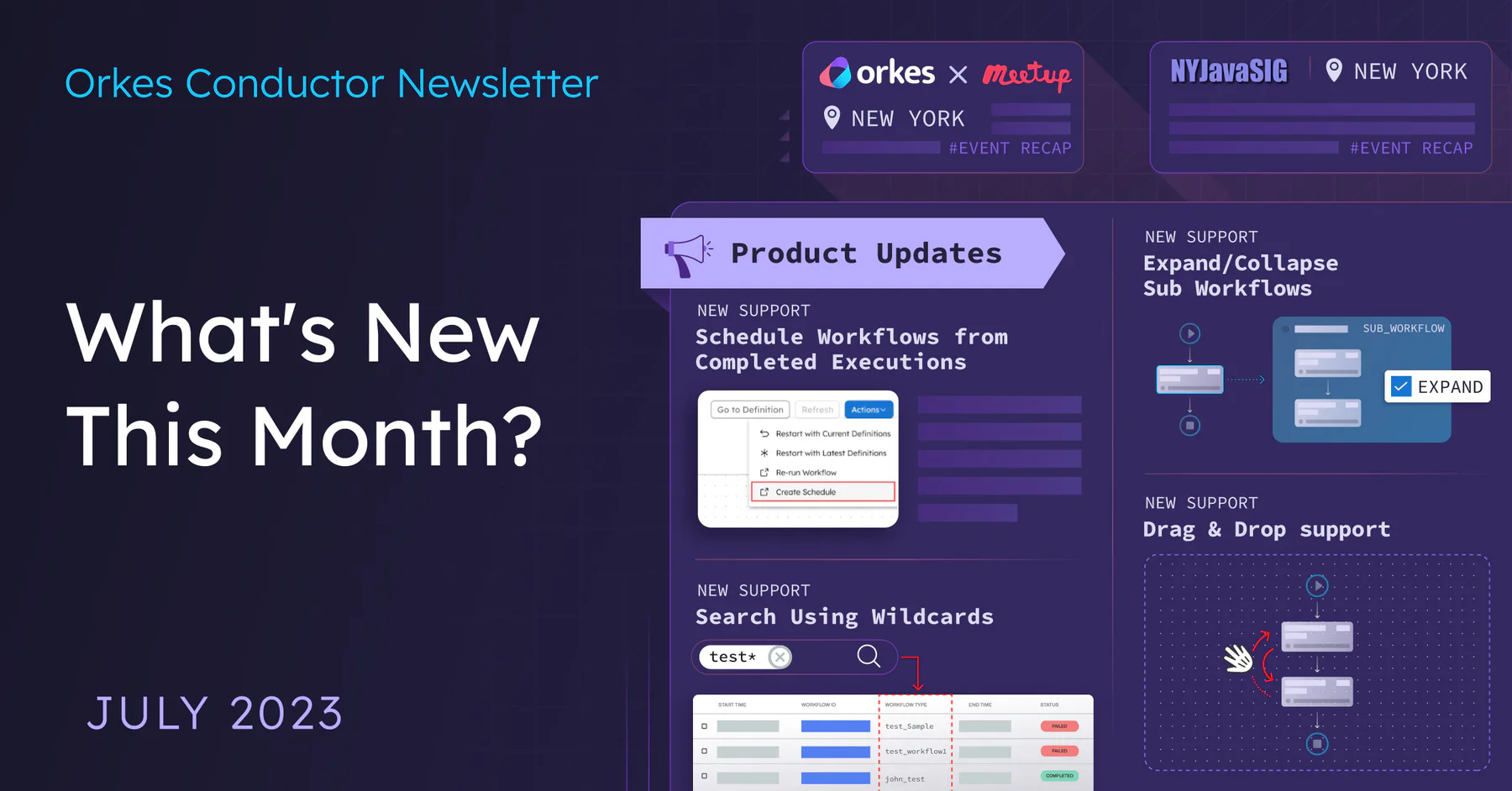
Orkes Monthly Highlights - July 2023
Check out the latest July 2023 updates in Orkes.
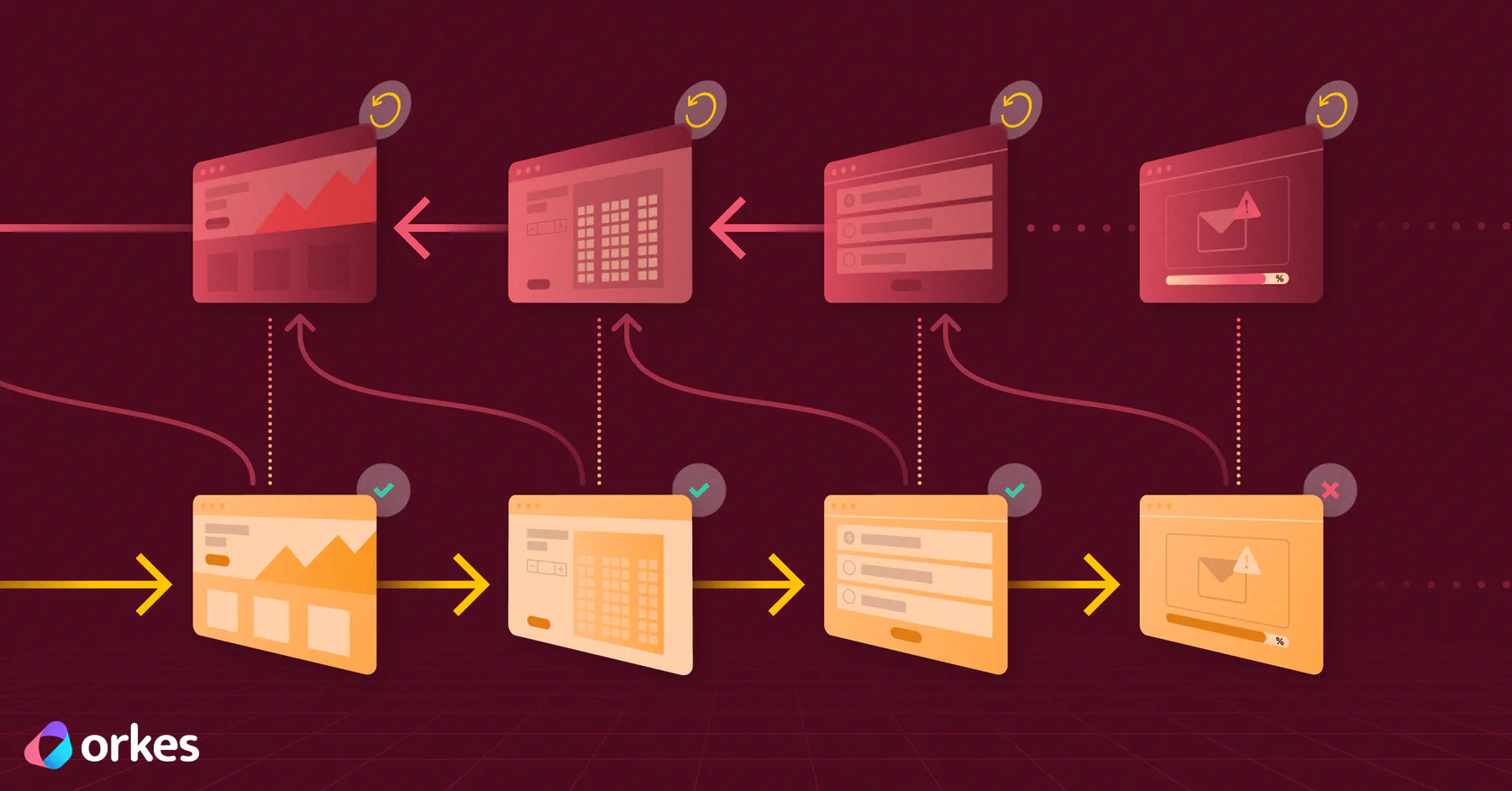
Saga Pattern in Distributed Systems
Find out how to implement a saga pattern in your applications using Orkes Conductor, an orchestration tool.
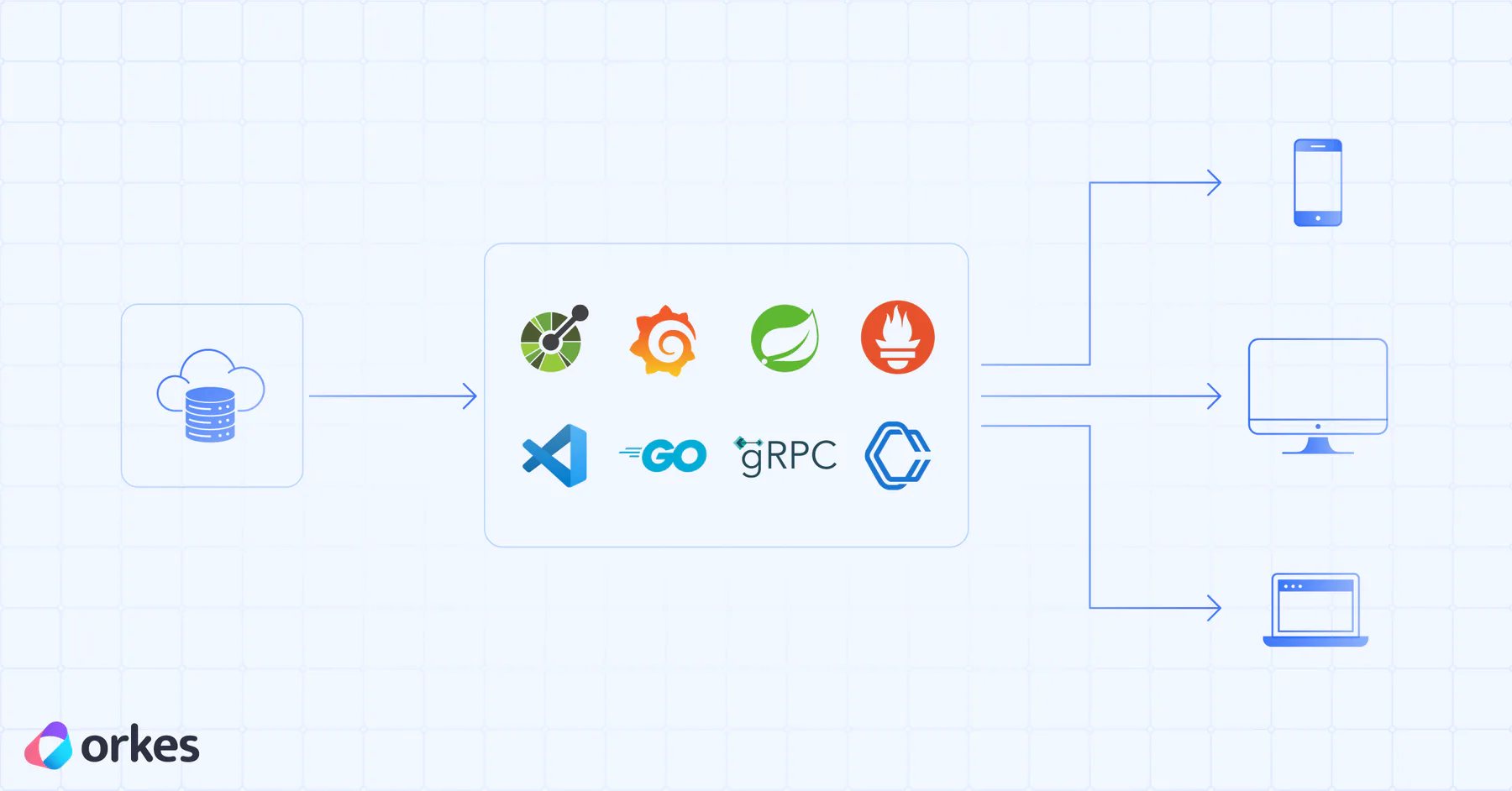
Top 8 Tools for Microservices Development in 2023
Discover the best tools, languages, and frameworks for accelerating the development cycle, from API testing to performance monitoring.
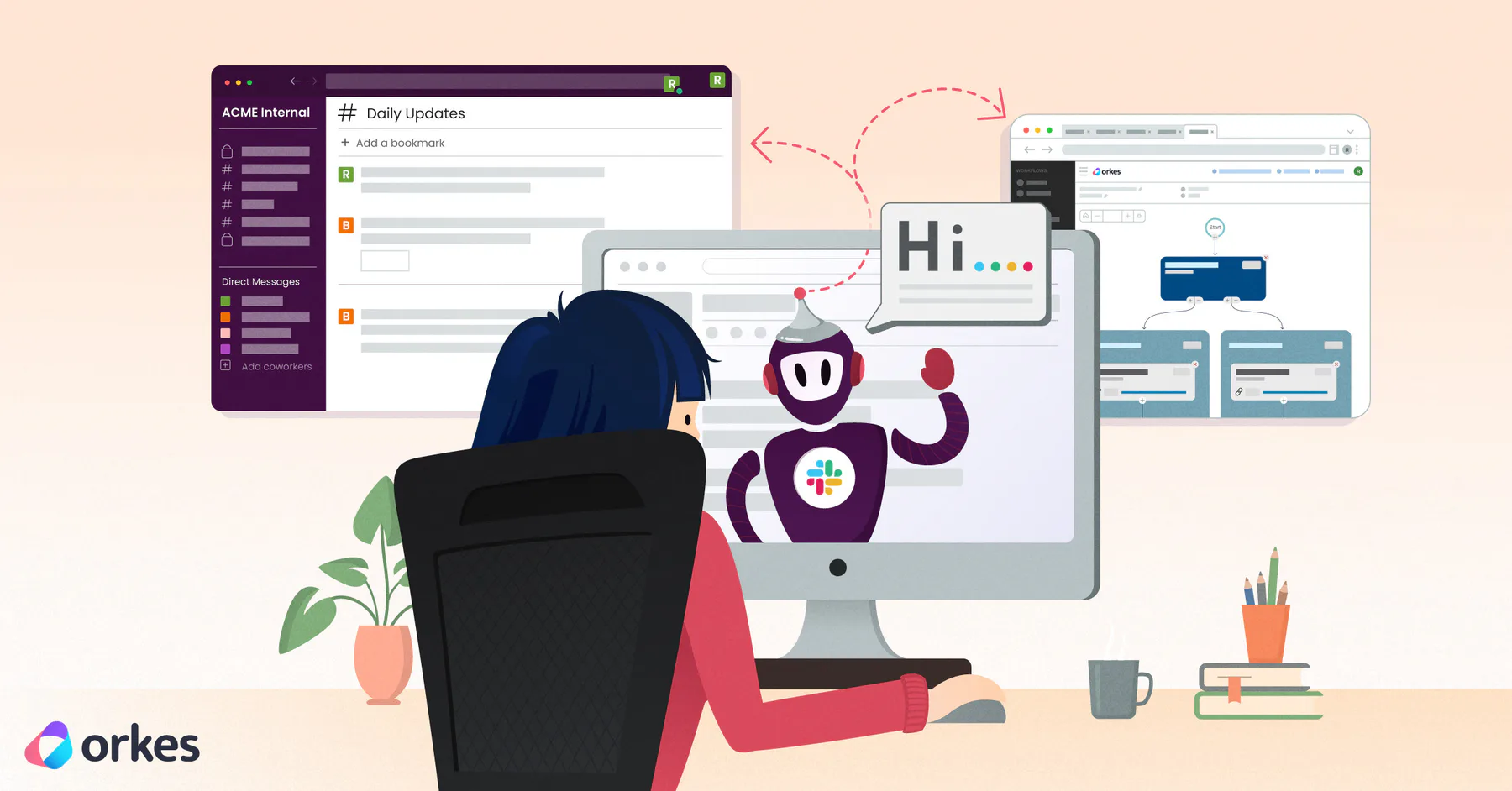
How to Create Standup Bot Using Conductor-Slack Integration
Learn how to create a Slack bot that sends reminders to post daily stand-up messages using Conductor-Webhook integration
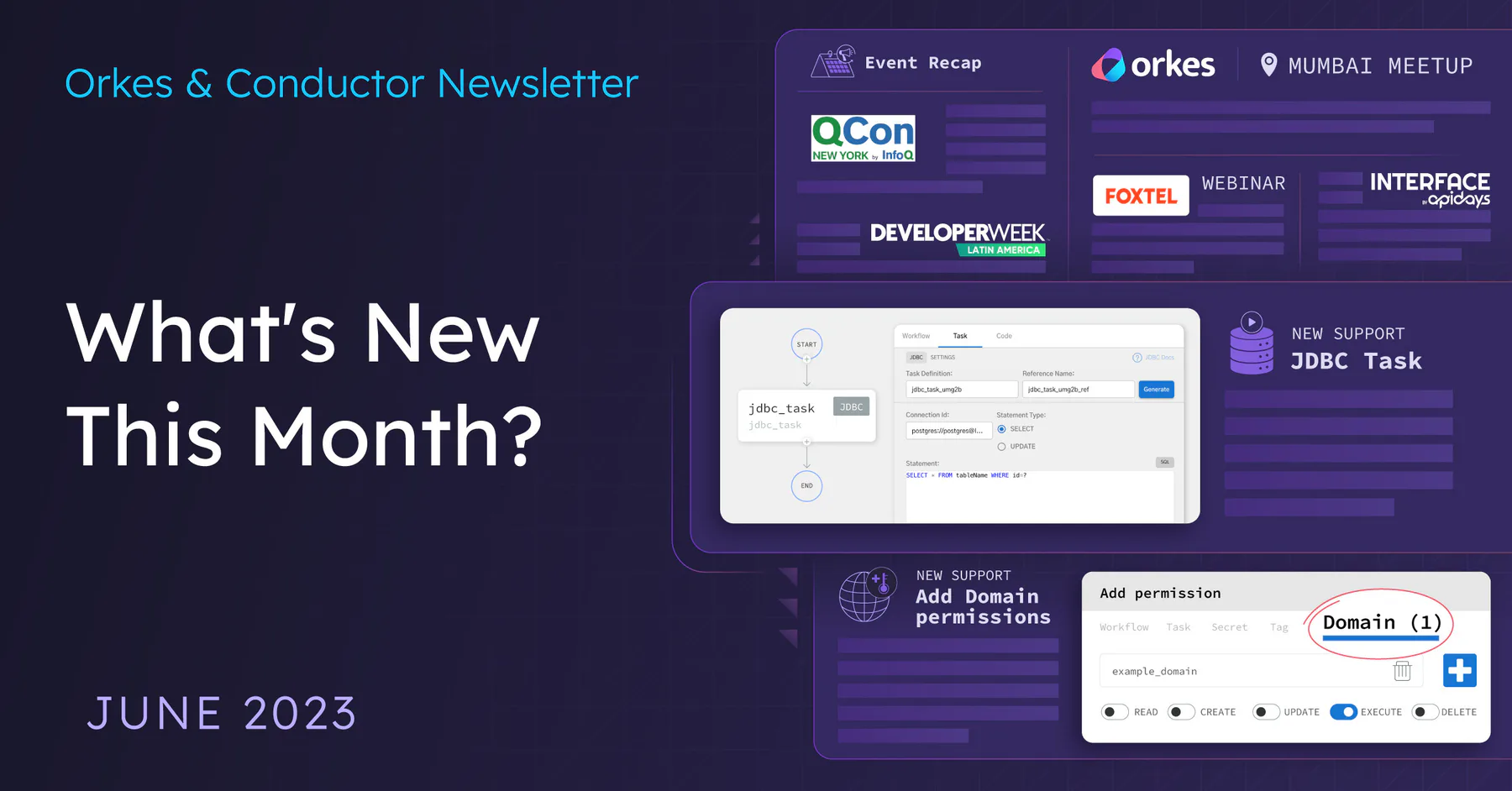
Orkes Monthly Highlights - June 2023
Check out the latest June 2023 updates in Orkes.
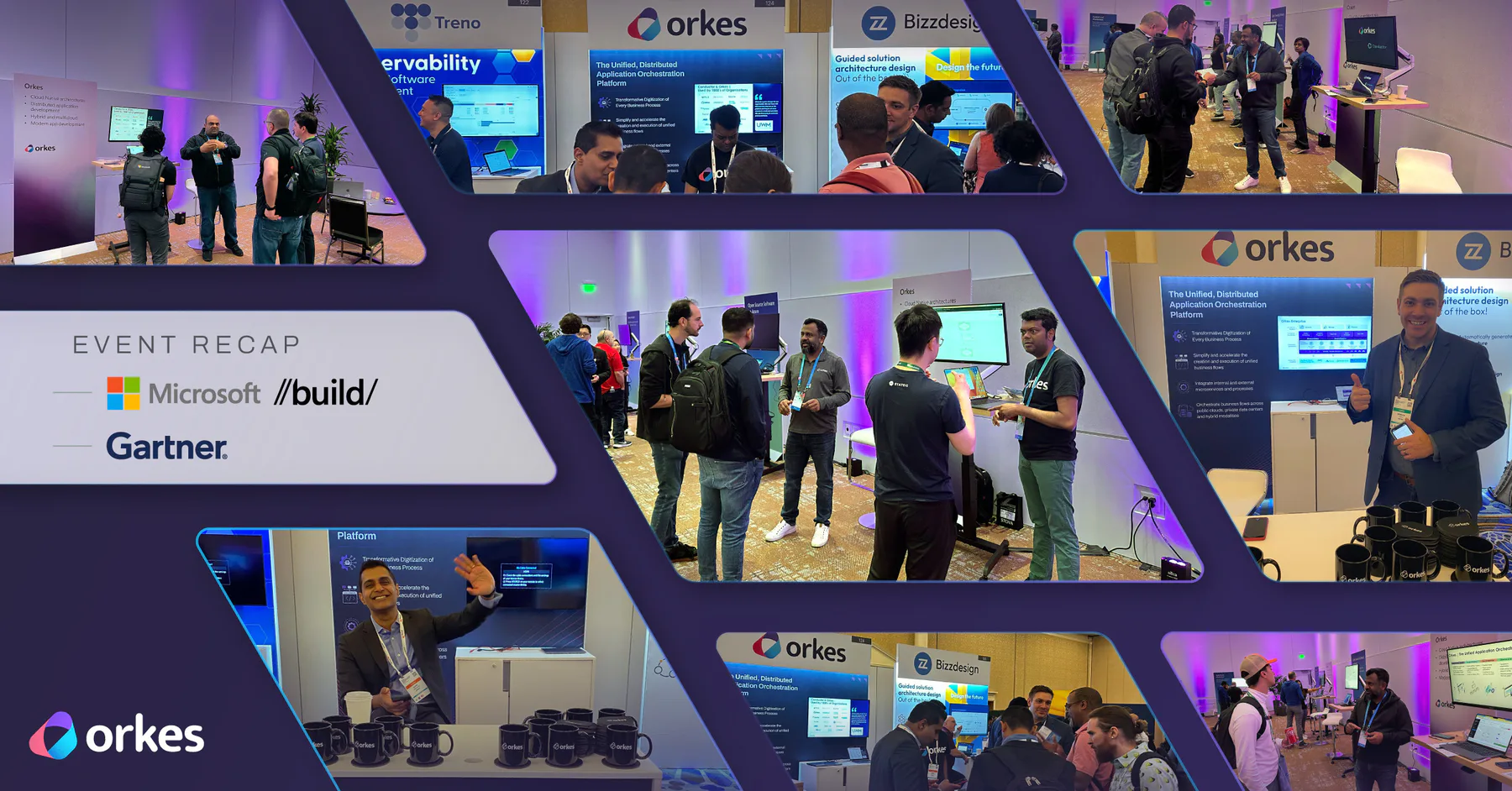
Orkes at Microsoft Build & Gartner Summit 2023 - A Recap
Get Orkes’ recap of the highlights from the 2023 Microsoft Build conference and Gartner Application Innovation & Business Solutions Summit.
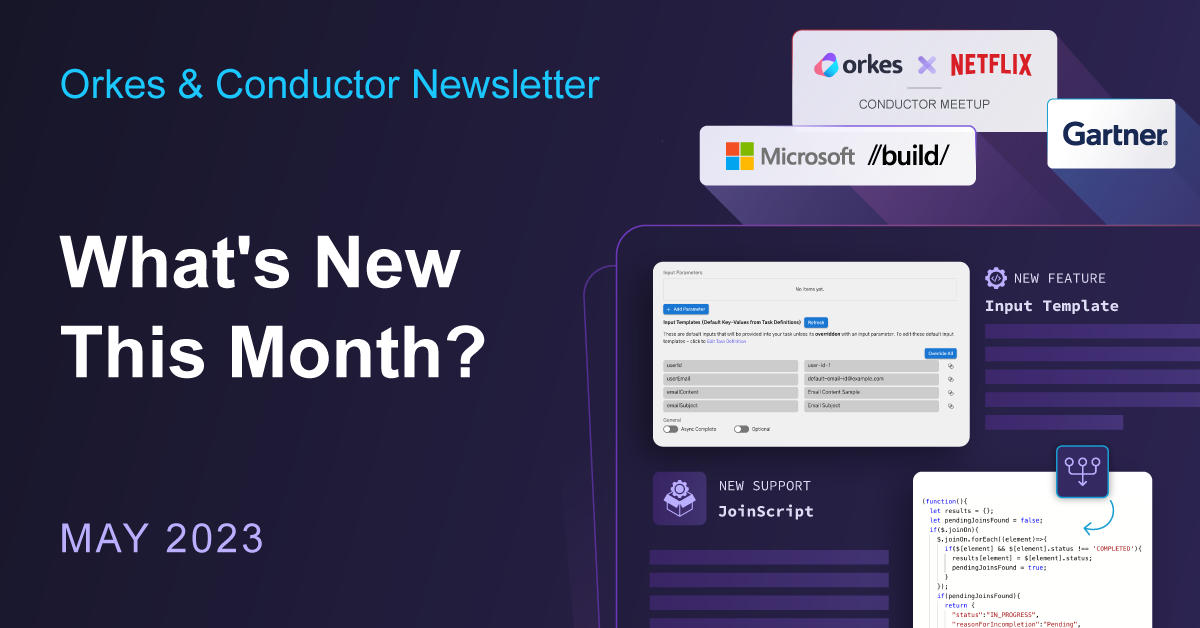
Orkes Monthly Highlights - May 2023
Check out the latest May 2023 updates in Orkes.
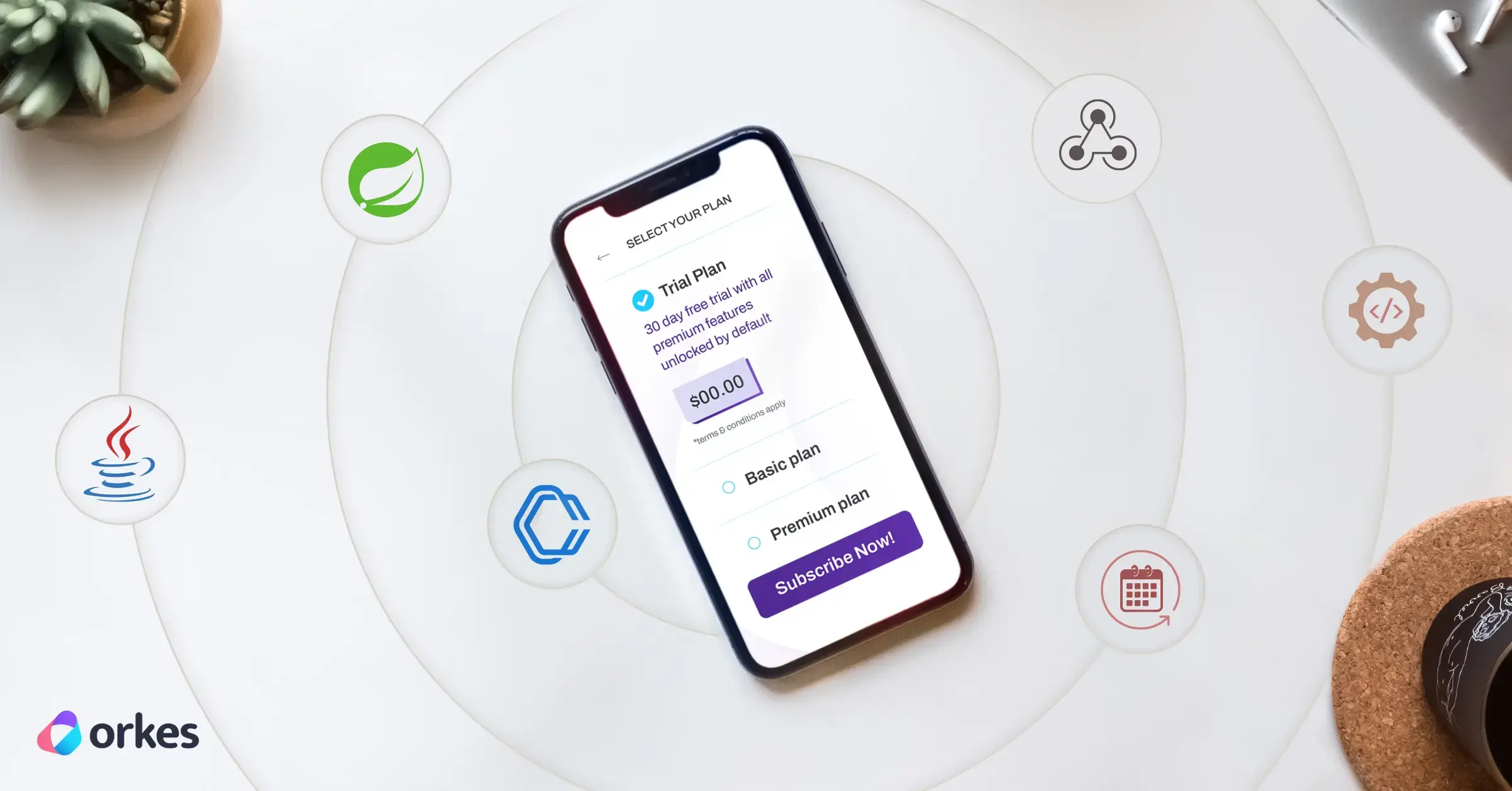
Building a Robust Subscription System with Java Spring Boot and Conductor
Learn how to build a subscription management system with Spring Boot and Orkes Conductor.
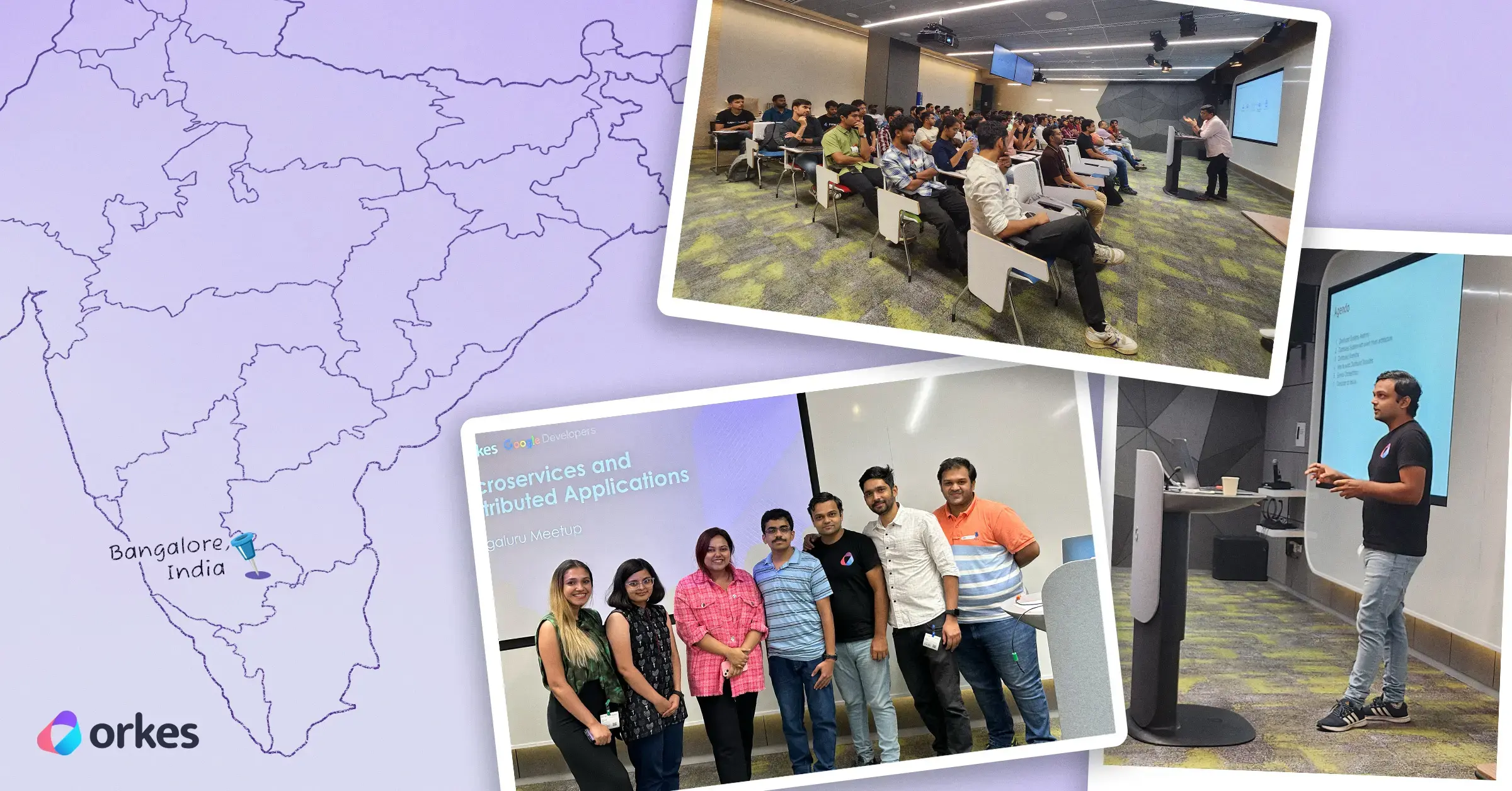
Tech Talks & Networking - Insights from Orkes Bangalore Meetup
Get a recap of the highlights from Orkes Bangalore meetup in April 2023.
Webhooks & Conductor - Perfect Duo for Automation
Discover how to use webhooks in Conductor workflow for a variety of use cases in microservice communications.
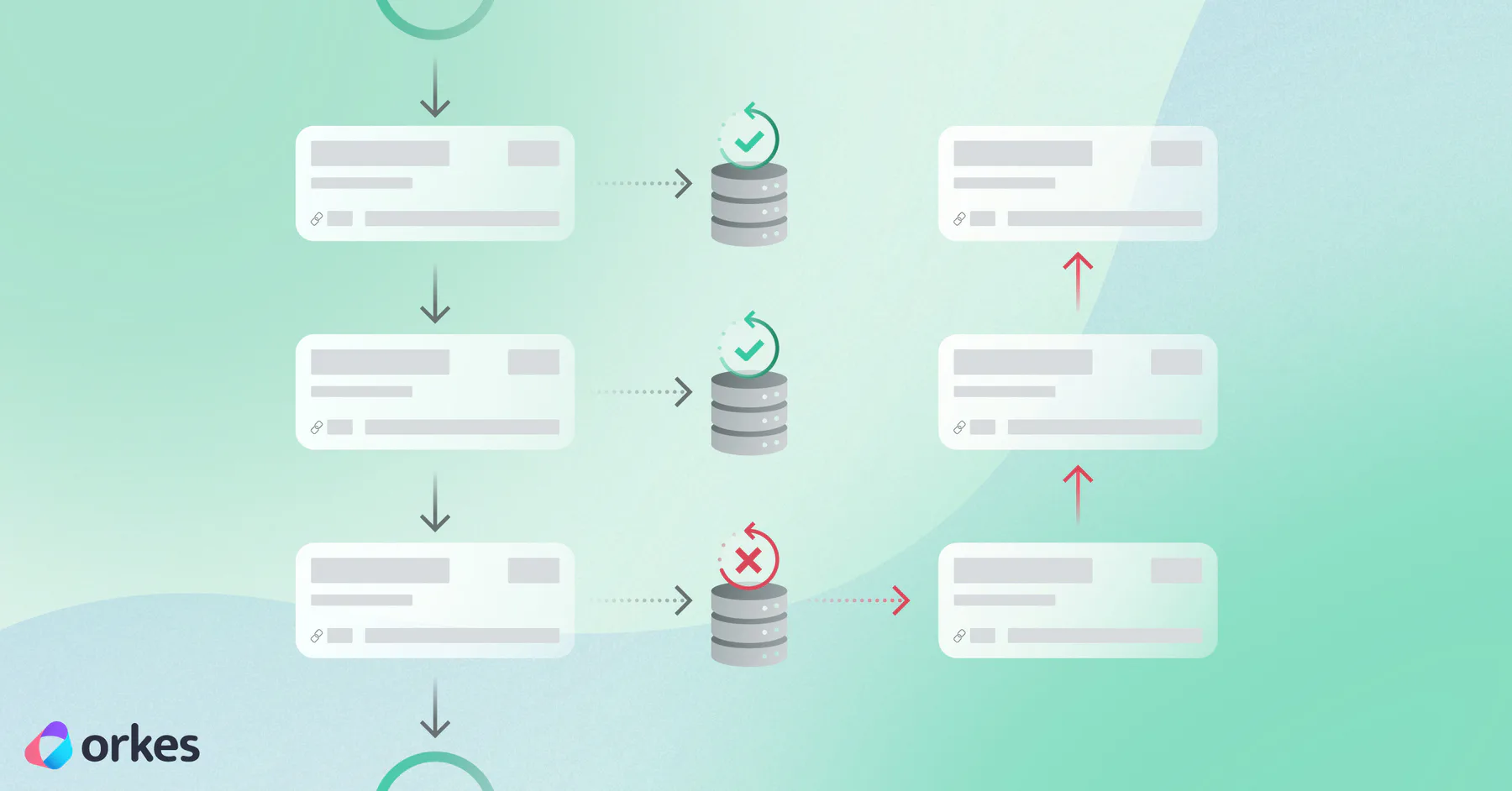
Compensation Transaction Patterns - The Key to Handling Failures in Distributed Applications
Distributed transactions can safely recover from failures using rollback mechanisms like the saga pattern.
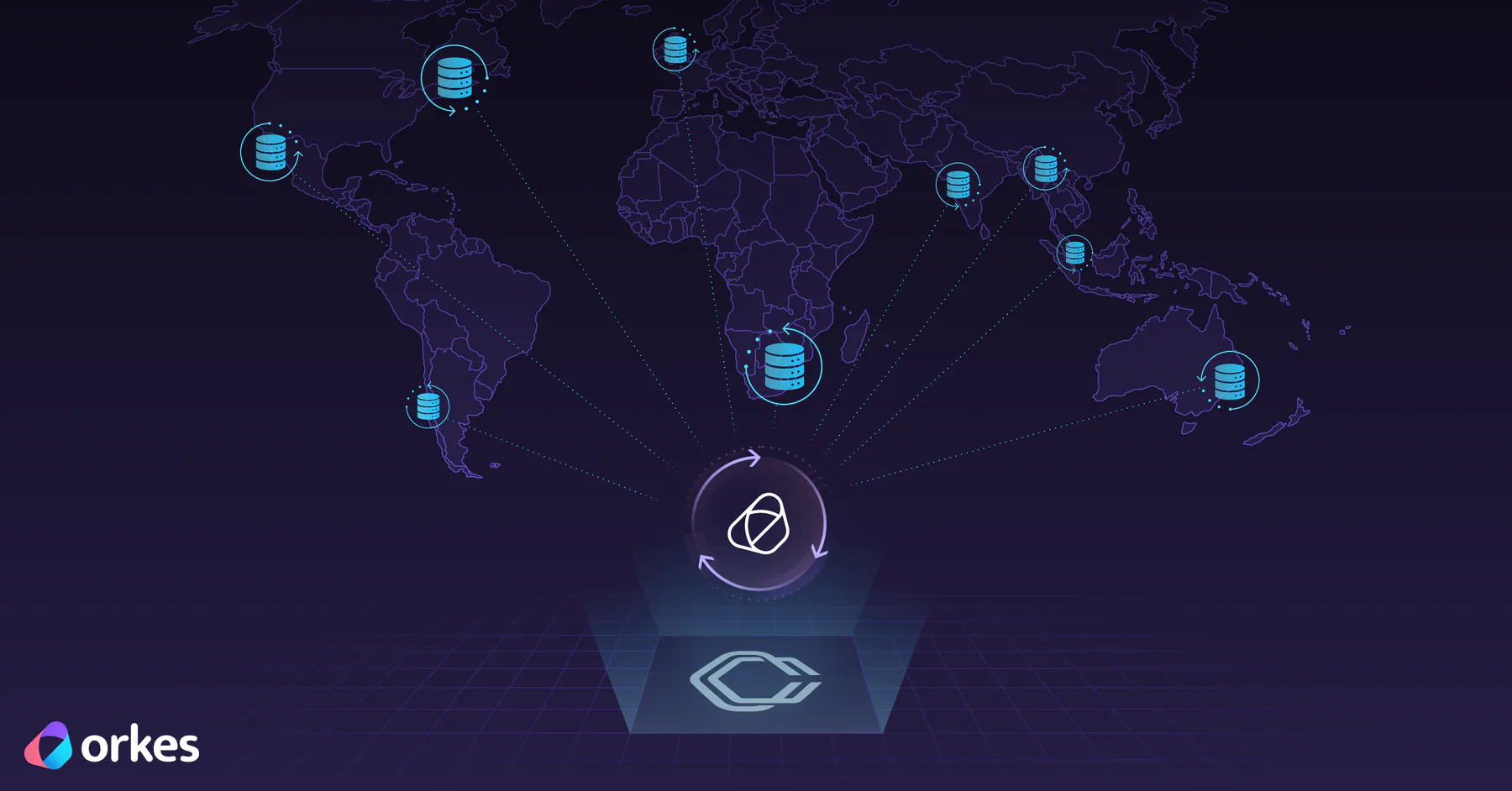
Orchestrating Infrastructure Upgrades with Conductor
Use Conductor, a workflow orchestration platform, to automate cloud infrastructure upgrades with no downtime.

Orkes Monthly Highlights - April 2023
Check out the latest April 2023 updates in Orkes.
Building Microservice-based Applications using Orkes Conductor
Use Conductor to transition from a monolithic to a microservice-based architecture and to modernize your applications.
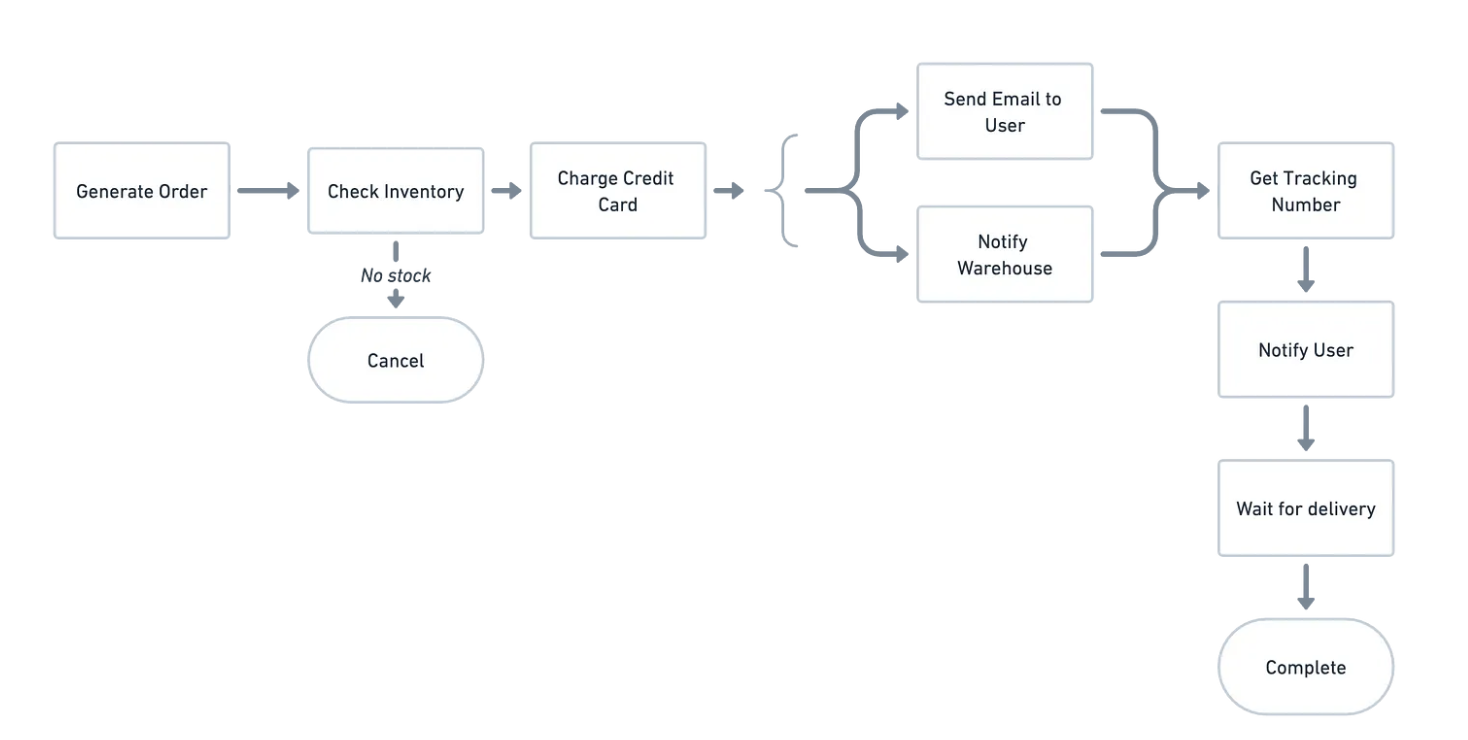
Workflows as a Distributed Transactional Backend
Transactional backends can be implemented using a database-oriented approach or a workflow-oriented approach.
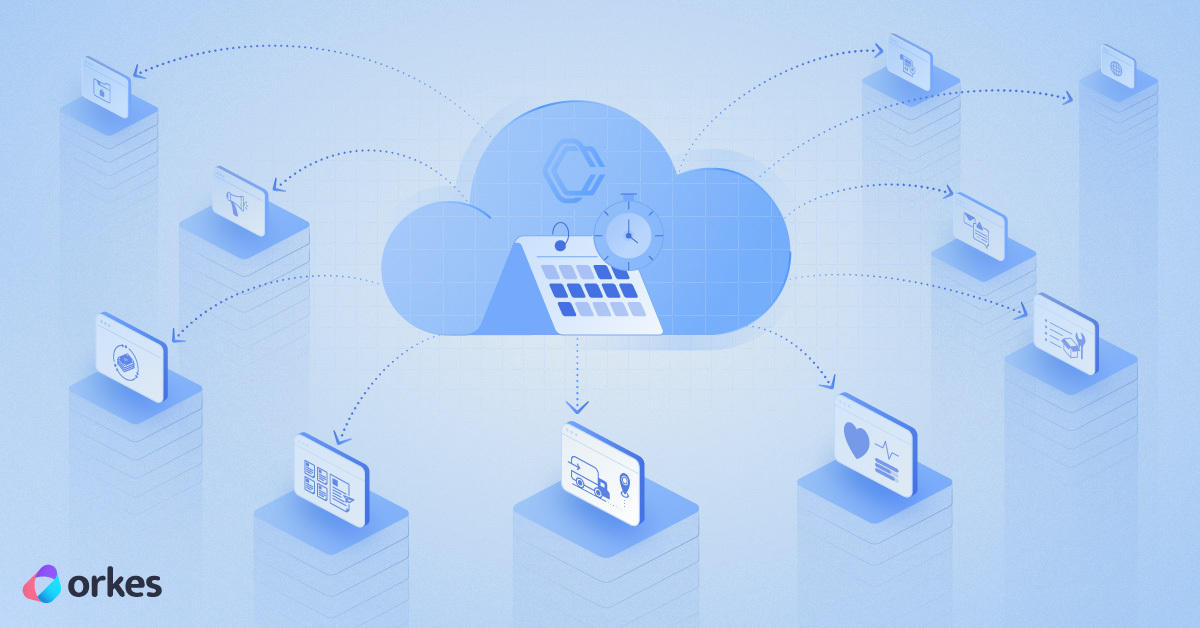
Distributed Scheduler in Conductor
Discover more about Conductor’s Scheduler feature and automate your workflows at custom intervals.
Orkes Monthly Highlights - March 2023
Check out the latest March 2023 updates in Orkes.
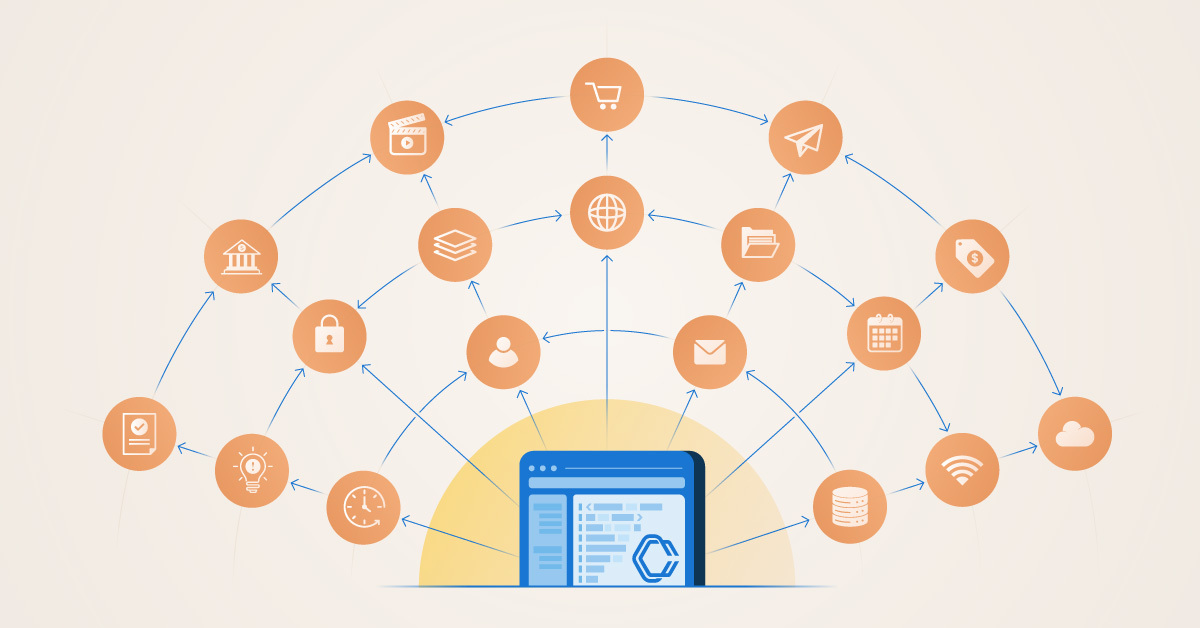
Event Driven Architecture with Orkes Conductor
Learn the differences between orchestration and choreography, and the advantages and drawbacks of each approach.
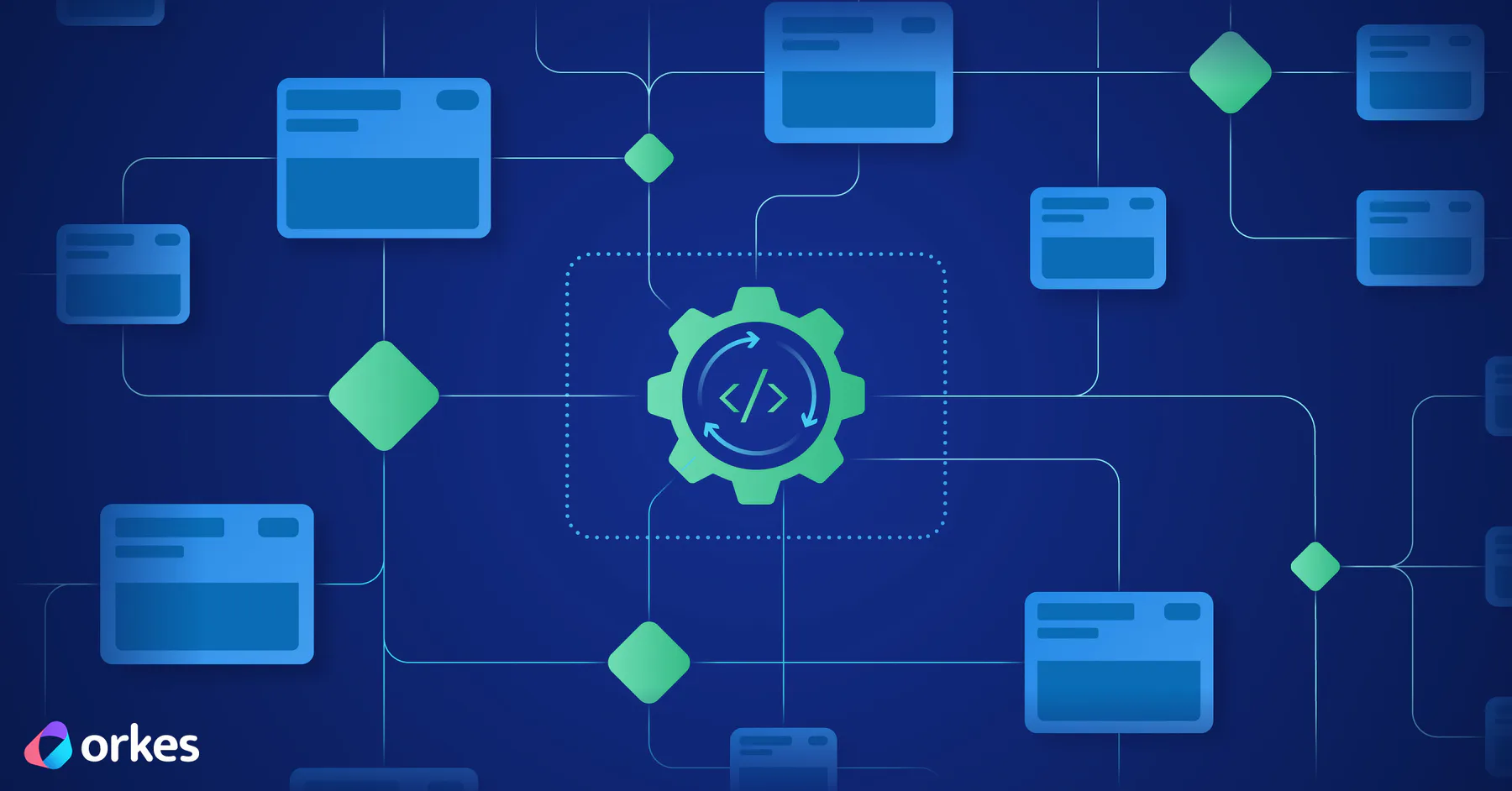
What is a Workflow Engine?
Conductor is a workflow engine, which can help automate routine tasks, enable faster application deployment, and more.
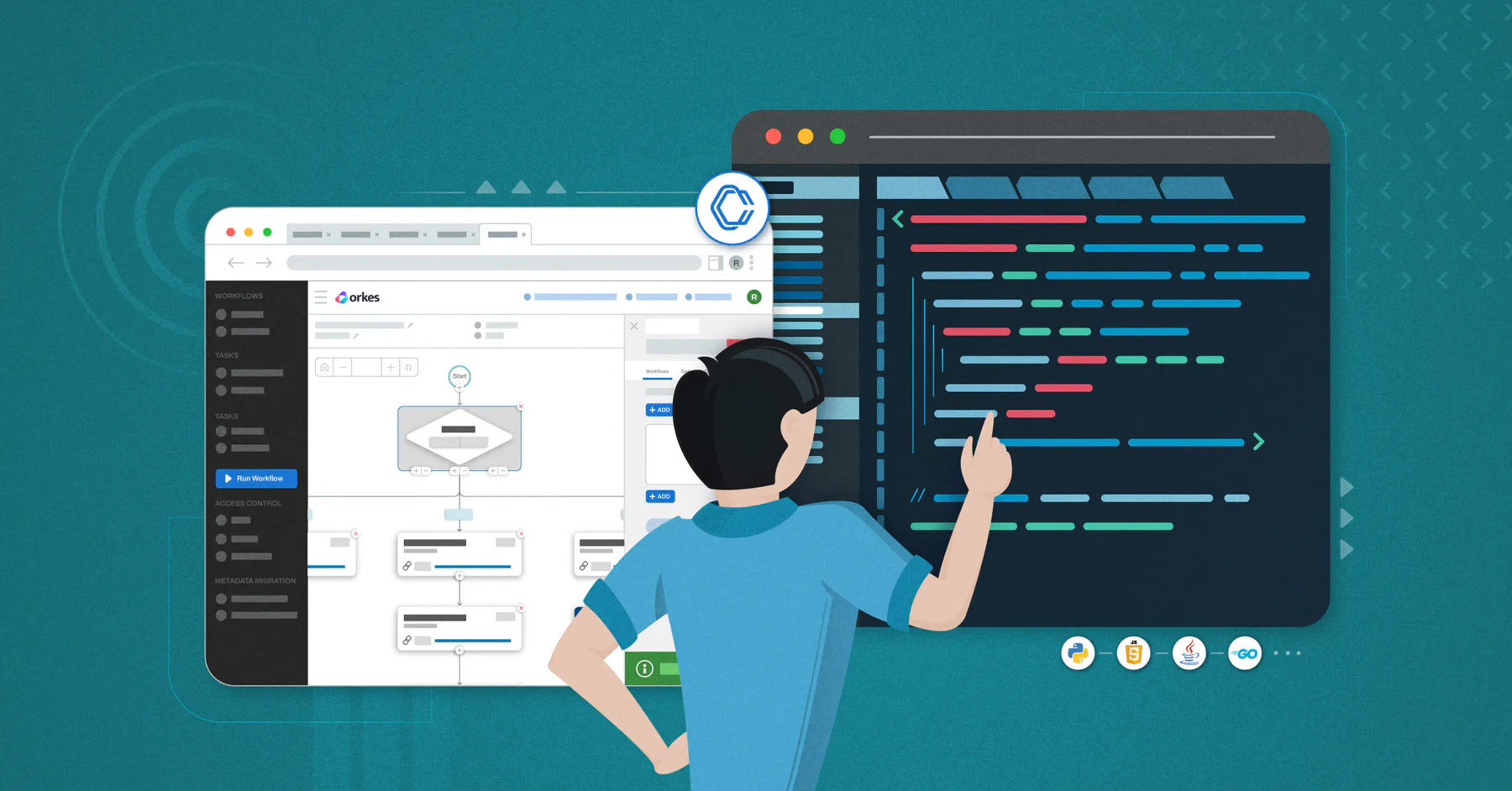
Dynamic Workflows using Code in Netflix Conductor
Writing workflows with code unlocks greater flexibility in creating dynamic workflows on the go. Try out Conductor’s SDKs today.
Orkes Monthly Highlights - February 2023
Check out the latest February 2023 updates in Orkes.
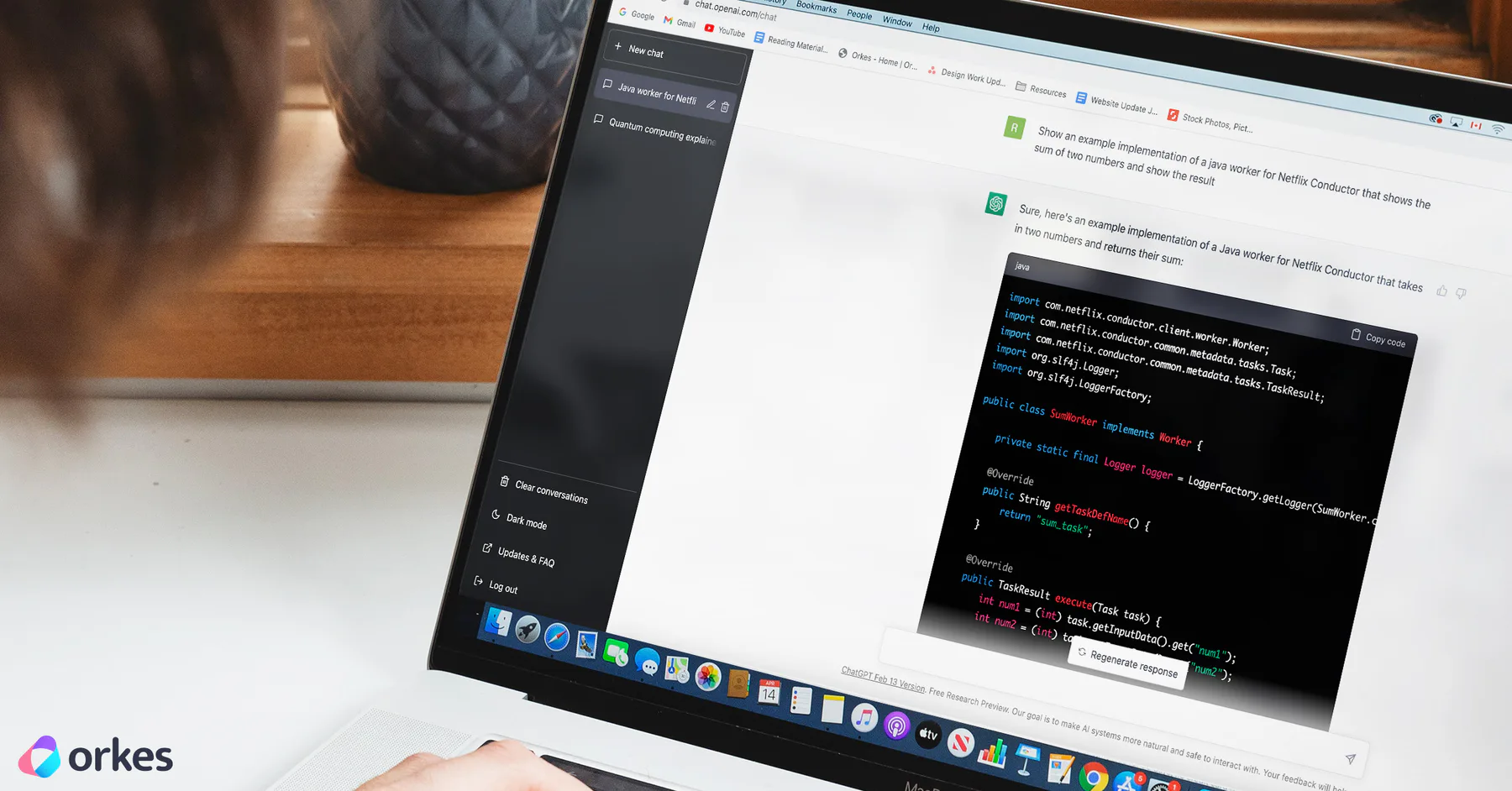
Using ChatGPT to create Conductor Workflows
Discover how to use LLMs, like ChatGPT, as a coding co-pilot to generate Conductor workflows as code.

Long Running Workflows
Learn how to automate a long-running user subscription workflow using Conductor, an orchestration platform.
Orkes Monthly Highlights - January 2023
Check out the latest January 2023 updates in Orkes.
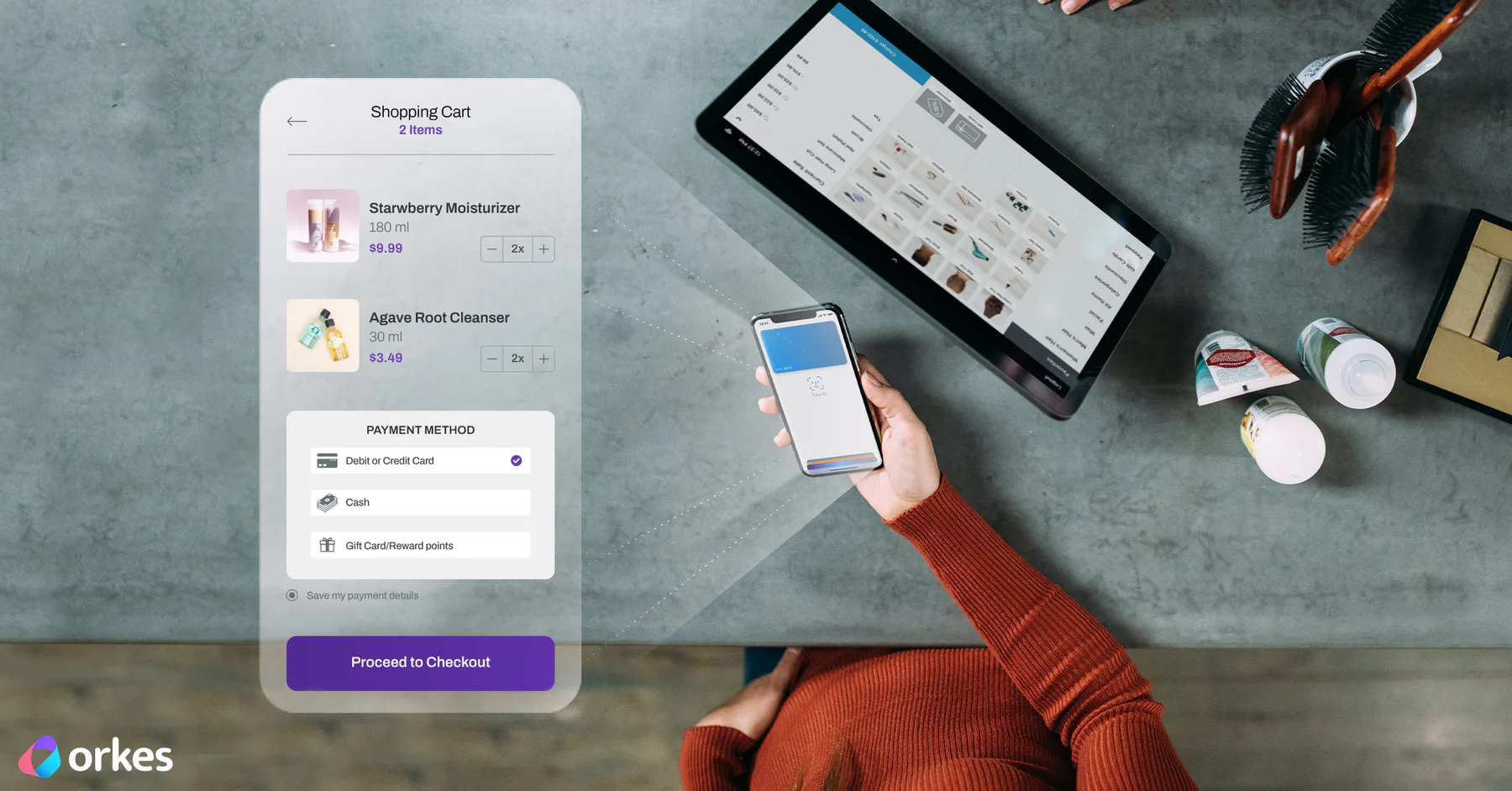
Building Checkout App using Next.js and Conductor
Learn how to build a checkout application using Next.js and a workflow as code approach in Conductor.
Running a Billion Workflows a month with Orkes Conductor
Based on benchmark tests, Conductor’s workload performance demonstrates consistent throughput across task execution, data processing, and more.

5 reasons to choose Conductor for building your Fraud Transaction Dispute Application
Use Conductor to build transaction dispute workflows and get native support for retries, scaling, debugging, and more.
Orkes Monthly Highlights - December 2022
Explore Orkes updates and highlights from December 2022.
DevFests in 2022 & Orkes - A Recap
Get the key highlights from Orkes's participation at DevFests in 2022.
November 2022 Updates - See what the Orkes team has been up to!
Check out the latest November 2022 updates in Orkes.

Orkes Hack - An experience like no other
Orkes’ first hackathon, the Orkes Hack, was held online and participants competed to create the most creative workflow in Conductor.
Orkes is now SOC 2 Type 2 compliant!
Orkes has attained SOC 2 Type 2 compliance in our continued endeavor to provide the highest standards in data security for Orkes Cloud.
Introducing Webhook Integration for Conductor
Orkes Conductor has webhook integrations available for seamless integration with third-party applications.
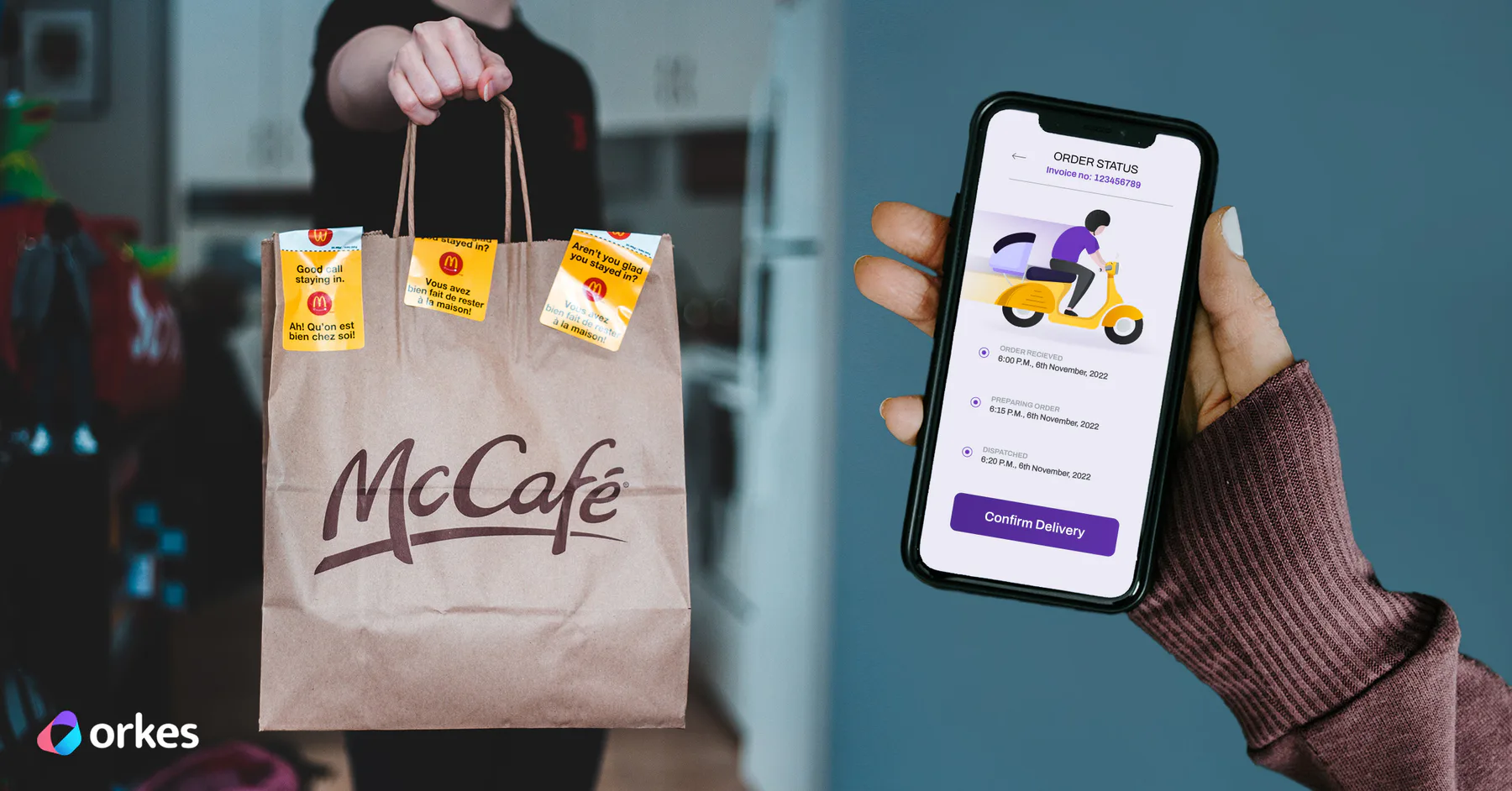
Building a Delivery Workflow with TypeScript (TS)
Learn how to build a food delivery application using TypeScript and a workflow as code approach in Conductor.
SHH! Conductor has secrets!
Orkes Conductor supports the use of secrets to securely send sensitive parameters in workflows.
Know Your Customer- Building KYC Workflows with Netflix Conductor
Discover how to implement KYC (Know Your Customer) checks for high-value transactions using Conductor.
Reduce, Reuse, Recycle - Optimizing workflows in Conductor with Operators
Learn how to reuse tasks and workflows in Conductor, with reusable tasks, sub workflows, dynamic tasks, do/while operators, and more.
Moving Your Microservices to the Cloud—Part 2
Learn how to break up a monolithic application into microservice-based architecture for greater scalability and ease of deployment.
Breaking up Monolith Architectures Part One
Monolithic architecture creates a tightly coupled codebase that takes longer to update and deploy, which can be resolved by breaking it up into microservices.
Microservice and Workflow Orchestration with Multiple Languages
Using multiple languages in a microservice architecture provides greater flexibility, but may require more maintenance.

Data Processing with Conductor
Learn how to build a Conductor workflow for data processing, which follows the three-phase ETL (extract, transform, load) process.
Announcing Conductor Community Repository
Announcing the new open-source repository for Orkes Conductor.
Why Microservice and Workflow Orchestration With Multiple Languages Is More Important Than Ever
Polyglot microservice orchestration enables developers to use multiple programming languages for various purposes in a single workflow.
Enhancing Conductor With Clojure
Try using Conductor to run tasks and workers in Clojure.

What are workflows? A recipe analogy
Workflows are like recipes: a series of tasks that must be completed in order, with varying degrees of complexity.

Microservice Architecture Use Case- Virtual Goods
Learn the benefits and limitations of a microservice architecture, with an example use case in virtual goods.
Hybrid Cloud Architecture
Hybrid cloud architecture makes it easier to manage, scale, and migrate your infrastructure while reducing operation costs.
New SDKs launched for Conductor users
Orkes has launched new Conductor SDKs for C# and Clojure and made major improvements to Golang and Python SDKs.
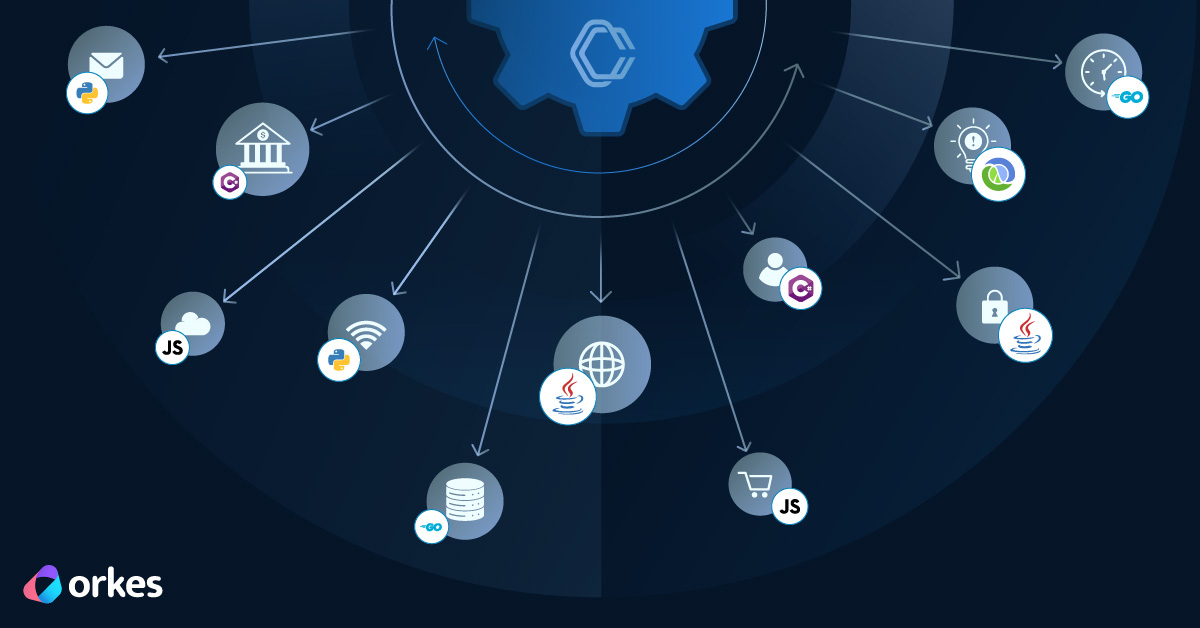
Why is Microservice Orchestration Important Now?
Microservice orchestration helps teams to build and scale applications swiftly without creating a distributed monolith.

How a Workflow engine would have made my old job easier
Conductor is an orchestration platform that connects distributed microservices so data flows without needing to build additional infrastructure.
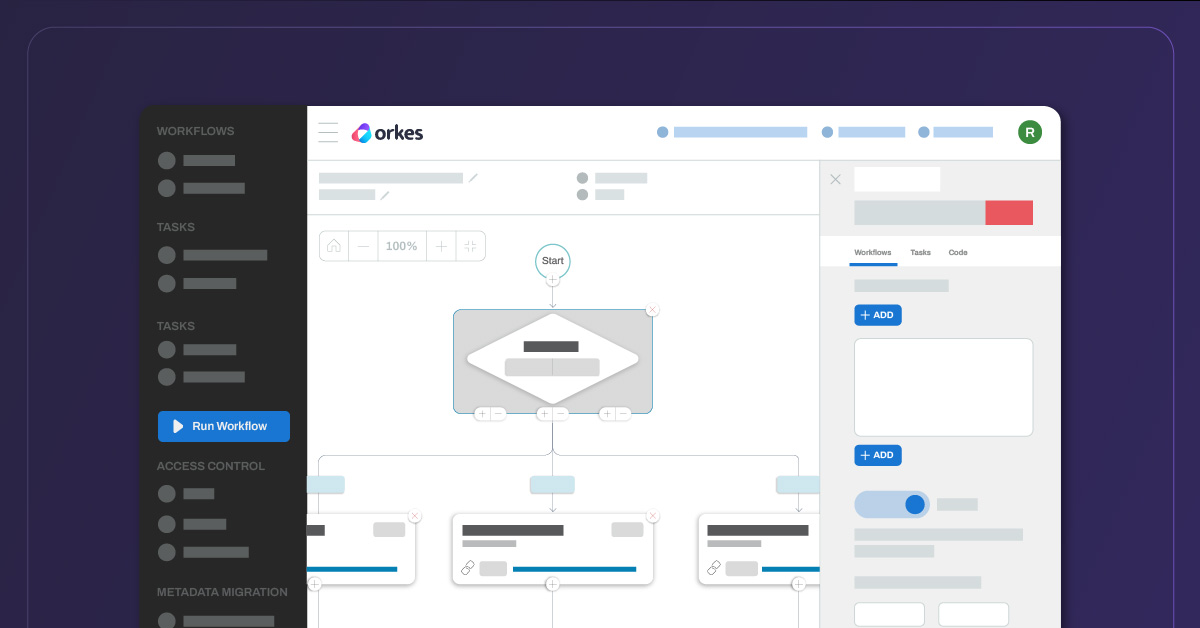
Learn by playing! Introducing the Conductor Playground
Announcing Conductor Playground, a full-featured sandbox environment to try Orkes Conductor for free.
Modern Loan Banking (Lending) Using Conductor
See workflow orchestration in action with Conductor, using a loan banking workflow example.
Introducing Orkes Cloud and our new funding
Announcing Orkes Cloud, a hosting solution that manages your Conductor deployment and infrastructure for you.
Meetup recap - Using Conductor in Production
Get a recap of Orkes’ Feb 2022 developer meetup, where invited speakers share how they use Conductor in production at their companies.

Using Sub Workflows in your Workflow - image processing
Learn how to modularize and re-use workflows in Conductor using sub workflows.

Dynamic forks- scaling your system at runtime - an image processing example
Learn how to use Conductor’s dynamic forks, which creates the appropriate number of parallel processes at runtime.
Using Conductor Forks to run tasks in parallel - creating multiple images
Learn how to use Conductor to build an image processing workflow that can automatically create multiple sizes and formats for the same image.
Netflix Conductor- Handling retries and timeout
Learn how Conductor handles retries and timeouts with its built-in error-handling functionalities.

Building an Image processing workflow with Netflix Conductor
Learn how to use Conductor to build an image processing workflow that can automatically complete tasks like resizing or format conversion.
Orchestration and Microservices - A match made in heaven
Orchestration provides a systematic approach to coordinating microservices and offers more visibility into process flows compared to choreography.
The Genesis of Netflix Conductor
Find out how Conductor got its start as an open-source orchestration engine, originally built by Netflix to solve infrastructure issues in microservices.